
Related videos:
Products sent as humanitarian aid to Cuba by the government of Mexico are being sold in dollars at state-controlled stores linked to the military sector, according to a report by the Mexican channel TV Azteca.
The investigation, presented by journalist Rodrigo Lema, claims that donated food to alleviate the crisis on the island is being sold in establishments that operate in foreign currency, far from the free distribution that had been announced.
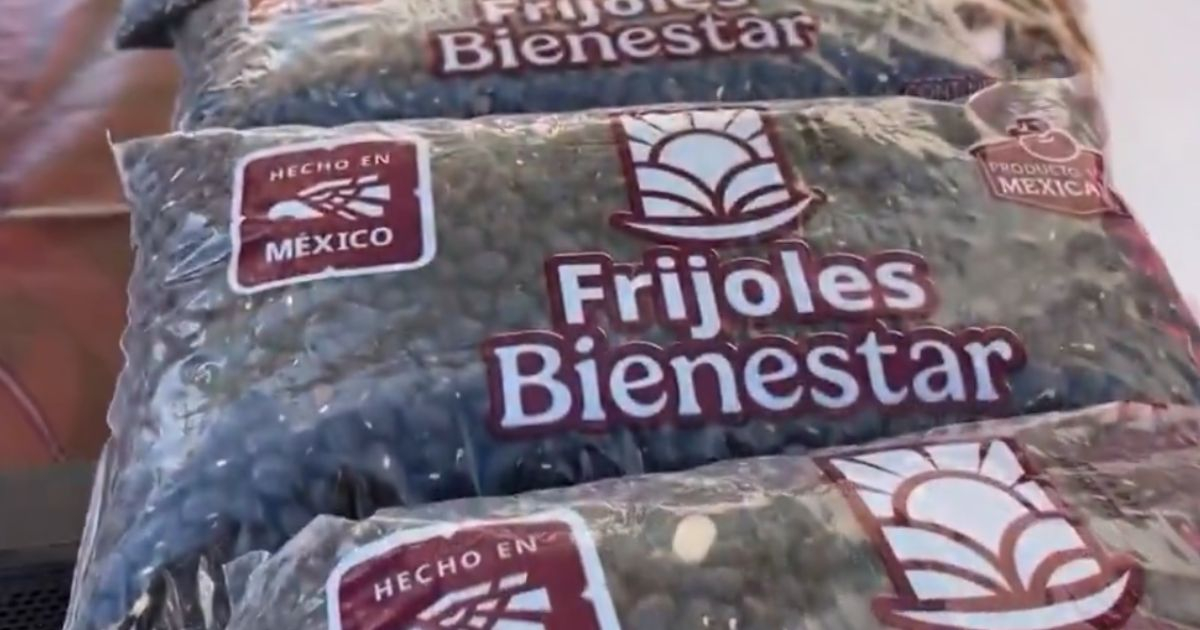
According to the report, one of the most documented cases is the so-called "bean of welfare," a product that was to be distributed to the population as part of Mexican humanitarian aid.
However, the outlet claims to have verified that this food is sold through wholesale distributors linked to military structures.
According to the research, 30-kilogram bundles of beans are being offered for $43, which is equivalent to about $1.43 for each kilogram bag, a price that is out of reach for many Cubans amidst the deep devaluation of the national currency.
The report also features testimonies from citizens who claim they have not received any products from the donations.
A resident on the island stated that, despite the images circulated about the arrival of ships with aid to the Bay of Havana, nothing has been distributed in the community.
Another testimony collected by the outlet indicates that following the arrival of ships with Mexican donations, several stores in the province of Matanzas, which had previously been practically empty, suddenly appeared stocked with products from Mexico.
The images broadcasted by TV Azteca show, for example, Mexican beans sold in a TRD Caribe store of the Revolutionary Armed Forces at a price of $2.97 per half kilogram.
According to the cited sources, products such as toilet paper of Mexican origin have also been detected being sold in those establishments.
Several interviewees stated that the sale of products in stores operating in dollars is a common practice on the island and that many of the items that arrive as donations end up in those commercial circuits controlled by state-owned enterprises.
The report concludes that, instead of reaching the population through the ration book or other social distribution mechanisms, part of the humanitarian aid ends up being turned into goods within hard currency stores, which are inaccessible to the majority of Cubans.
Filed under: