
Related videos:
The plan of the Donald Trump administration towards Cuba is being described by analysts and officials as a kind of "Cubastroika," a strategy that aims to push for economic reforms on the island through pressure and selective opening to the U.S. market, according to a report published by .
The term directly refers to the Soviet perestroika, the process of economic reforms that began in the Soviet Union in the 1980s and opened market spaces within a communist system. According to the report, Washington's bet would be to provoke a similar transformation in Cuba, but driven from the outside and amid a deep economic crisis.
The strategy arrives at a particularly delicate moment for the island. Following the capture of Nicolás Maduro by U.S. forces on January 3 and the subsequent cut in Venezuelan oil supplies, Cuba has plunged into an energy crisis that has worsened the collapse of its economy. For example, in Havana, blackouts have reached up to 15 hours a day, flights have been canceled due to a lack of fuel, hotels have closed, and many private businesses have had to halt their operations.
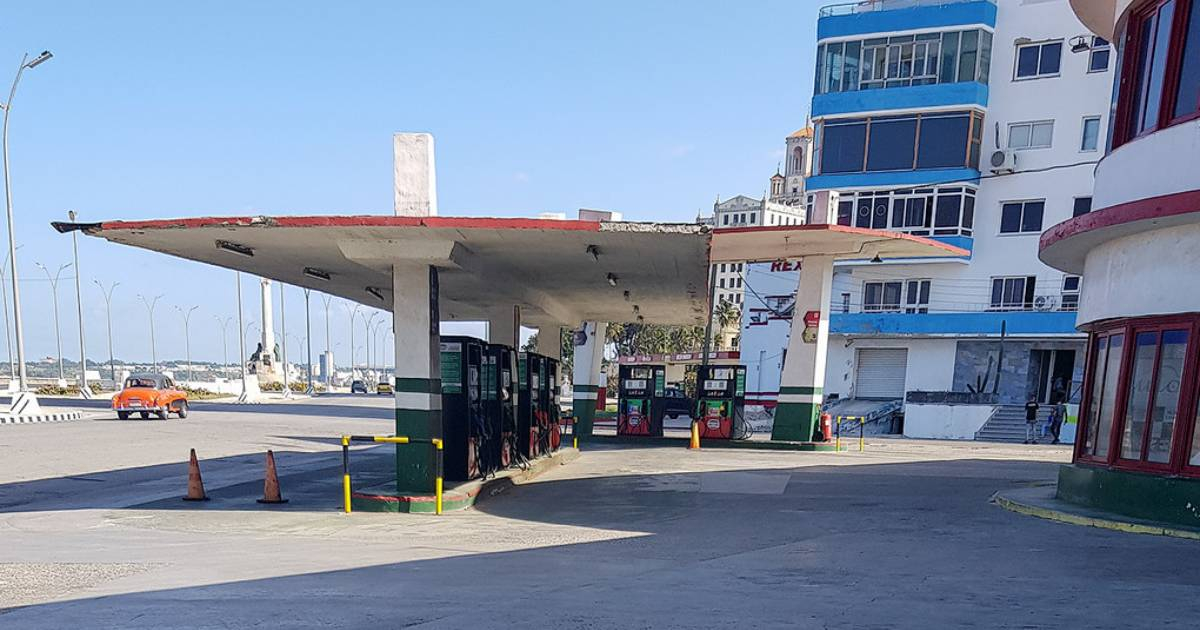
USA Today quotes businessman Aldo Álvarez, founder of the delivery company Mercatoria, whose vehicles remained stationary for weeks due to a lack of fuel. The situation began to change when gas stations started receiving diesel specifically allocated for the private sector, something that hadn't happened in over six decades.
The shift is due to a decision announced on February 25 by the Trump administration: to allow U.S. petroleum products to be sold directly to private businesses in Cuba, effectively circumventing the trade embargo imposed in 1960. For Washington, the goal would be to strengthen independent entrepreneurs and make them a key player within the island's economy.
“It’s transformative,” Álvarez told USA Today. “I can guarantee my fuel supply in a stable manner... It’s definitely good news.”
According to the report, this policy represents a significant shift from decades of U.S. strategy primarily based on economic isolation. Instead of seeking an immediate collapse of the system, the White House appears to be betting on creating a gradual dependency of the Cuban economy on the United States.
Ric Herrero, executive director of the Cuba Study Group, explained to the media that the U.S. government is recognizing for the first time the Cuban private sector as a strategic ally to alleviate the humanitarian crisis and promote internal changes.
Trump himself has hinted at the political scope of the strategy. At the end of February, he told reporters that a "friendly takeover" of Cuba could even occur, and during the Shield of the Americas summit held on March 7, he stated that the Caribbean nation is “in its last moments of life as it has been”.
U.S. officials, including Secretary of State Marco Rubio, have been in contact with Cuban representatives while insisting that the current model must change. “The status quo is unacceptable… Cuba needs to change, and change dramatically,” Rubio stated to the press in February.
The internal context on the island also seems to drive adjustments. During a recent meeting in Havana, leader Miguel Díaz-Canel spoke about the need to implement “the most urgent transformations” to the economic model, including greater business autonomy and cooperation between the state and the private sector, as reported by the official newspaper Granma.
Analysts cited by USA Today believe that the combination of external pressure, an energy crisis, and economic decline could force the regime to accept reforms it has avoided for years.
In Cuba, there are currently about 11,000 small and medium-sized private enterprises, many of which are concentrated in Havana and are linked to services such as restaurants, transportation, or home deliveries. Washington's strategy appears to be betting that this emerging sector could become the driving force behind a gradual economic transformation.
For some experts, the situation marks a turning point for the island. Robert Muse, an attorney specializing in business between the United States and Cuba, stated to the media that there is a growing sentiment that “this is the year of decision for Cuba.”
Meanwhile, amidst prolonged blackouts and widespread shortages, many Cuban entrepreneurs are observing the new landscape with caution, aware that any economic opening could redefine the country's future.
Filed under: