
Related videos:
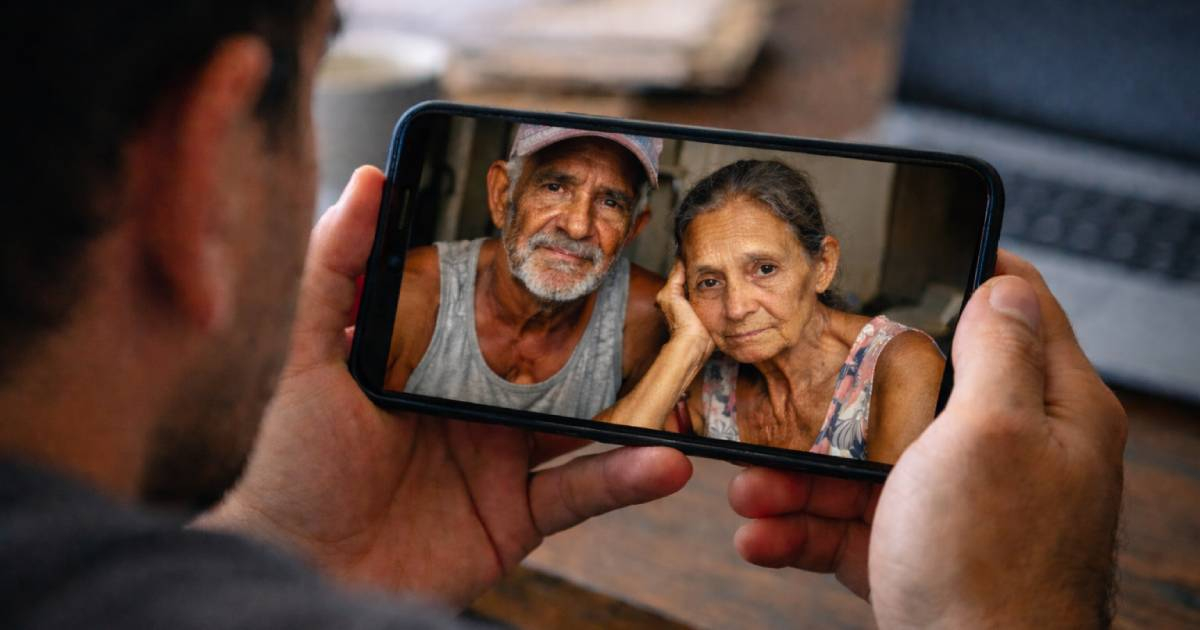
For many Cubans living outside the country, one of the most frequently asked questions in every call or message to the island has become painfully simple: “Did you eat today?”
Behind that question lies a daily anguish that is echoed in thousands of families separated by migration. The shortage of food, prolonged blackouts, and lack of medicines are forcing those living outside of Cuba to try their best to support their loved ones who remain on the island.
A report published by CBC News features the testimony of Karen Sandoval-Santana, a Cuban living in London, Canada, who is anxiously following the situation of her husband and family in Cuba. She told the Canadian media that the circumstances described by her relatives on the island are becoming increasingly difficult.
"Hunger. Lack of water. Power outages that last for days. Scandalous prices for food and fuel," the woman recounted as she described what she hears in conversations with her loved ones.
Sandoval-Santana explains that the deterioration of living conditions is even reflected in the tone of voice of those on the other end of the phone. “They are losing hope. I can hear it in their voices,” he said. “I can feel the stress. I can feel the anguish, and it hurts, and it makes me feel powerless.”
Her husband is still in Cuba as they both await the completion of the immigration sponsorship process that would allow him to join her in Canada, following their marriage last year. In the meantime, communication with the island has become increasingly complicated.
Sometimes messages take hours or even an entire day to arrive, or calls get abruptly disconnected. Amid this uncertainty, worry grows.
"That's very scary... Did you eat today? Are you okay? Are you safe?" she confessed.
The economic crisis has also directly impacted her family. The decline in tourism, one of the main sources of income in many areas of the country, has reduced job opportunities for her husband and other relatives.
From Canada, Sandoval-Santana tries to send money and aid whenever possible, but acknowledges that it's never enough for everyone.
"Never enough, we have tons of family," he/she said to the media.
Concern about the scarcity is also motivating Cubans and foreigners who are trying to organize assistance from abroad. Jennifer Raymer, a resident of London and director of the humanitarian organization Juntos por Cuba, declared to CBC News that what she observes during her stays on the island is increasingly alarming.
"People are going hungry," he asserted. "I only see hungry, thin, and fragile people."
Their organization aims to send food and medical supplies to communities in need. As they explained, they have already distributed around $8,000 in food to individuals facing extreme situations.
Raymer noted that at times the reaction of those receiving assistance reflects the seriousness of the situation.
"I have videos of women crying because they couldn't believe we brought food," he said.
Attempts to bring aid also face obstacles. Prolonged power outages, logistical issues, and flight cancellations have delayed the shipment of medical supplies that the group hopes to transport in luggage to the island.
Filed under: