
Related videos:
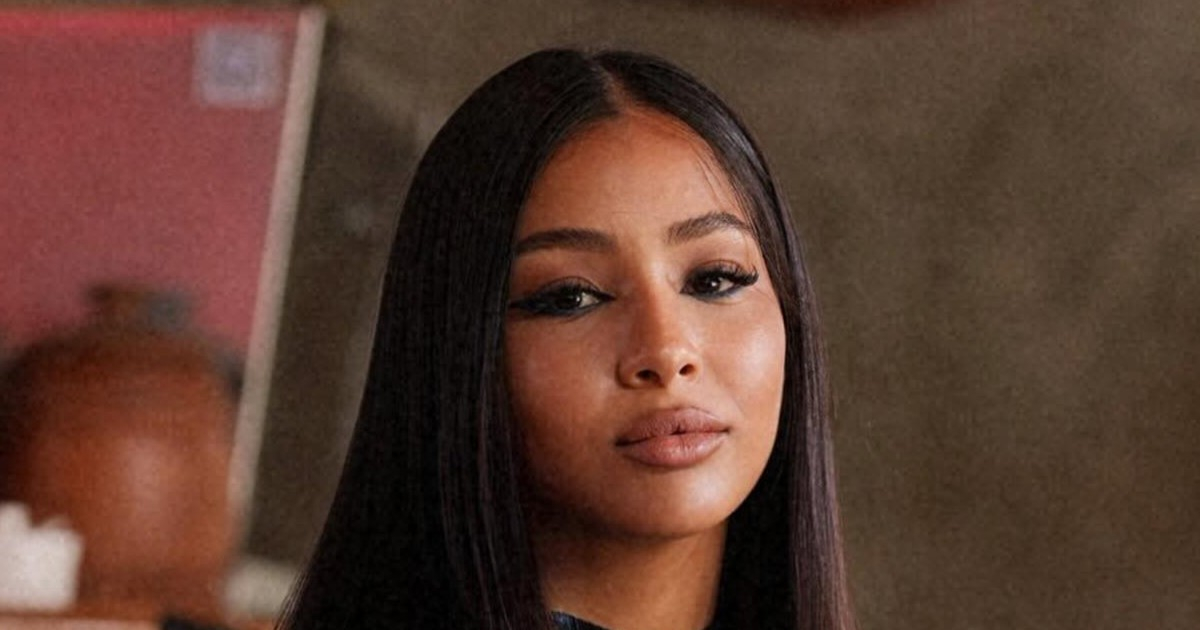
The Cuban influencer Samantha Hernández once again sparked debate on social media after publishing a message in which she openly acknowledged the serious situation in Cuba, although she insisted that she prefers not to publicly comment on politics or the reality of the country.
"I hope you take this with respect. It’s obvious that I know there is a dictatorship in Cuba, it’s obvious that I know people are starving, that there are blackouts, that there is no electricity, no water, no medicine; that if you speak out, you end up in prison. We emigrate because of all this, because we have no future on the Island. I know all of this," he stated.
In her message, the content creator also stated that she avoids talking about Cuba because she believes her statements can be manipulated or edited to create controversy on the Internet.
"Many people are fans of: 'Let me record the screen and cut this little piece that I know is going to spark conversation, I know that if I take this snippet of her, it's going to go viral.' I know this too, and I'm aware that I'm exposed to it, which is why I avoid talking about my country," she explained.
The influencer added that people cannot be forced to think in a certain way, and she defended the right to hold differing opinions.
"Unfortunately, we cannot go brain by brain, open it up and say: ‘Understand!’. We can't do that. That's why we live in the United States and other free countries, because there is democracy, an understanding that everyone has their own opinion, which should be respected, whether it is wrong or not," he concluded.
His statements reignited the debate about the role of Cuban influencers living outside the Island and whether those with large audiences on social media should be more actively vocal about the political, economic, and social crisis facing the country.
A controversy that is growing on social media
The video featuring Hernández is part of a broader discussion that arose after the influencer explained why she avoids discussing politics or commenting on what is happening in Cuba.
In that clip, the content creator stated that her main reason is that she feels she doesn't have enough information on the subject.
"I am a person who does not talk about politics, primarily because I don't know. I have no information, I only know the basics and what everyone knows," he declared.
She also added that she prefers not to delve into matters for which she does not feel prepared.
"I don't like to dig into topics I don't know," he said.
That phrase was interpreted by many users as a sign of disinterest in researching or learning more about the situation in their own country, which sparked a wave of criticism on social media.
Hernández also argued that the political debate surrounding Cuba has become a lucrative source of content for some people on the internet.
"I feel that the political situation in my country is a business for many people… and I don't want to be part of that circus," he stated.
The young woman made it clear that she does not intend to speak on the matter due to external pressure.
"I am not going to talk about the situation in my country when you want me to. I will speak when I feel I should speak. I will speak about what I want, how I want," he expressed.
Another point he mentioned is that, from his perspective, social media has a limited impact on what happens inside the island.
"The world already knows what is happening in Cuba. I won't change anything from a phone. Not even if 50,000 influencers unite," he commented.
A debate on the role of Cuban creators
Hernández's words have sparked an intense discussion among social media users, many of whom believe that those with large digital audiences also have a moral responsibility to highlight the reality of the country.
For some, their stance contrasts with that of other young Cubans who, from within the Island, use social media to denounce shortages, blackouts, a lack of freedoms, or abuses by the authorities, even knowing that such posts could bring them reprisals.
Those content creators, independent journalists, and activists often face police interrogations, subpoenas, surveillance, or online smear campaigns for expressing their opinions.
In that context, the decision to remain on the sidelines of the political debate, especially from countries where there is freedom of expression, is seen as a missed opportunity to amplify the voices of those who are denouncing what is happening inside Cuba.
Other internet users, however, have defended Hernández's right to choose what topics to address on his platforms and to avoid political discussions if he prefers to.
The controversy reflects an increasingly present discussion among the Cuban diaspora: to what extent should public figures with a digital presence engage in debates about the country's situation, and what role can social media play in highlighting the reality of the island?
Meanwhile, the debate continues to grow on the Internet, with differing opinions regarding the influencer's stance and the role that content creators should adopt when discussing Cuba.
Filed under: