
Related videos:
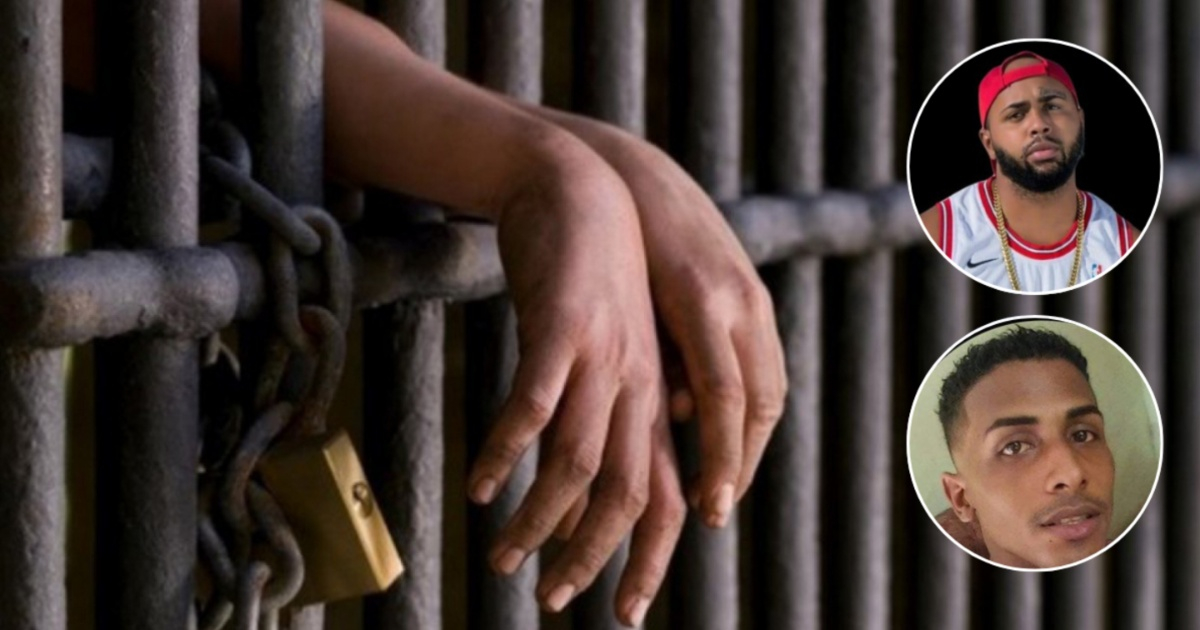
Political prisoners from the 11J protests were released in Cuba this Friday following the regime's official announcement regarding the liberation of 51 individuals deprived of their freedom. This process has been linked by human rights organizations to the Vatican's mediation and, according to the reports themselves, does not involve the annulment of the sentences or an amnesty.
The organization Prisoners Defenders reported on X that there are five recently released prisoners identified as Ibrahín Ariel González Hodelin, 26 years old; Ariel Pérez Montesino, 52; Juan Pablo Martínez Monterrey, 32; Ronald García Sánchez, 33; and Adael Jesús Leivas Díaz, 29.
According to that list, all were sentenced for their participation in the protests of July 11, 2021, and were serving sentences ranging from nine to 14 years in prison in jails in Santiago de Cuba, Artemisa, and Havana.
Prisoners Defenders also specified that the sentences "remain in effect" and warned that the applied scheme would be a "particularly restrictive" parole, which it described as a kind of "prison-home regime."
This characterization suggests that the released individuals would not have been fully free in a legal sense, but rather subjected to controls and possible additional restrictions.
On its part, the organization Justicia 11J claimed to have individually verified the release of two prisoners: the first of them, Ronald García Sánchez, was released under parole.
According to that entity, their initial sentencing request was 23 years of imprisonment for the alleged crime of sedition; later, he was sentenced to 20 years, and following the appeal, the penalty was set at 14 years in prison.
The same organization later reported that it also verified the release of Adael Jesús Leyva Díaz on this same March 13, also under conditional release.
In his case, it was detailed that the prosecution requested a sentence of 21 years of imprisonment, that he was sentenced to 19 years, and that, after the appeal, the sentence was reduced to 13 years in prison.
Justicia 11J linked both releases with the process announced this Thursday by the Ministry of Foreign Affairs of Cuba regarding the release of 51 individuals deprived of liberty.
However, the organization emphasized that the specific conditions of these prison releases are still not clearly known.
He also recalled that a similar process carried out in the first quarter of 2025 did not involve amnesties or pardons, but rather "conditional and revocable" penitentiary benefits.
Release without conditions
Both Prisoners Defenders and Justicia 11J agree that the sentences have not been extinguished and that the releases do not yet equate to full rehabilitation or the definitive closure of the criminal cases.
At the time of this announcement, Justicia 11J was documenting an underreporting of 760 individuals imprisoned for political reasons in Cuba, many of whom were incarcerated for participating in protests, engaging in civic activism, or expressing critical opinions.
That figure serves as context for a measure that, despite the release of these first prisoners, leaves a much broader universe of political repression on the Island untouched.
The first confirmed names, therefore, correspond to 11J demonstrators who are being released on parole, amid a process announced by the regime and closely monitored by human rights organizations, which caution that these are not full or irreversible releases.
The Cuban regime announced that it would release 51 individuals sentenced to imprisonment in the coming days, presenting this as a gesture within the framework of relations between the Cuban state and the Vatican.
According to a statement from the Ministry of Foreign Affairs, the decision follows historically held exchanges with the Holy See regarding processes of review and release of incarcerated individuals.
The statement indicated that the beneficiaries have served a significant portion of their sentences and have maintained good behavior during their time in prison.
However, he did not mention the names of the prisoners nor clarify if there are political detainees among them, a category that the Cuban regime systematically denies exists.
Filed under: