
Related videos:
A group of 22 countries demanded on Saturday that Iran immediately reopen the Strait of Hormuz, following an escalation of tensions that threatens maritime transit and global energy supply.
The joint statement, issued by the United Arab Emirates, is supported by powers such as the United Kingdom, France, Germany, Japan, Canada, and Australia, among other allies.
The signatories condemned “in the strongest terms” the recent attacks attributed to Tehran against unarmed commercial ships in the Gulf, as well as the actions directed against civilian infrastructure, including oil and gas facilities.
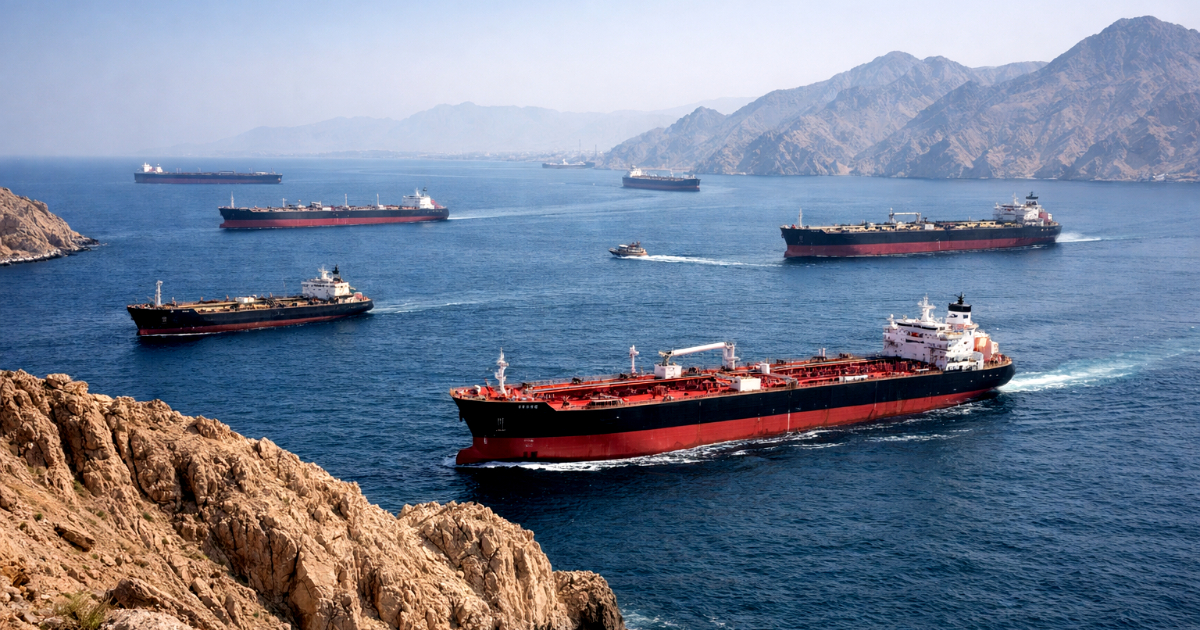
They also reported the de facto closure of the Strait of Hormuz by Iranian forces, a crucial route through which nearly one third of the world's oil trade passes.
"We urge Iran to immediately cease its threats, the placement of mines, drone and missile attacks, and any attempt to obstruct commercial navigation," the statement indicates.
The countries also urged Tehran to comply with UN Security Council Resolution 2817 and to declare an "immediate and complete moratorium" on attacks against civilian infrastructure.
Tension escalated this week after Iran launched missiles at the industrial city of Ras Laffan in Qatar, home to the world's largest natural gas export facility. This attack marks a new phase in the conflict and raises international concerns about the impact on energy markets.
Although it does not imply immediate intervention, the joint statement raises international pressure on Tehran and keeps the door open for possible actions to ensure maritime security in the area, including naval escorts, mine clearance, or limited military deployments.
At the same time, the impact on energy markets is already being felt: the Strait of Hormuz channels nearly a third of the world’s oil trade, so any interruption or threat sends price volatility soaring.
Although the release of strategic reserves and a potential increase in production could cushion the impact, analysts warn that a sustained escalation could lead to a significant increase in crude oil prices globally.
In that regard, the signatories warned that Iranian actions will have global consequences, particularly for the most vulnerable countries, as they will affect supply chains and price stability. In response, the International Energy Agency authorized the coordinated release of strategic oil reserves to mitigate the impact.
In addition, the countries expressed their willingness to contribute to ensuring maritime security in the region and to collaborate with other nations to stabilize energy markets, including increasing production.
The Strait of Hormuz, regarded as a critical point in international trade, is once again at the center of a crisis that jeopardizes global security and economic stability in multiple regions.
Filed under: