
Related videos:
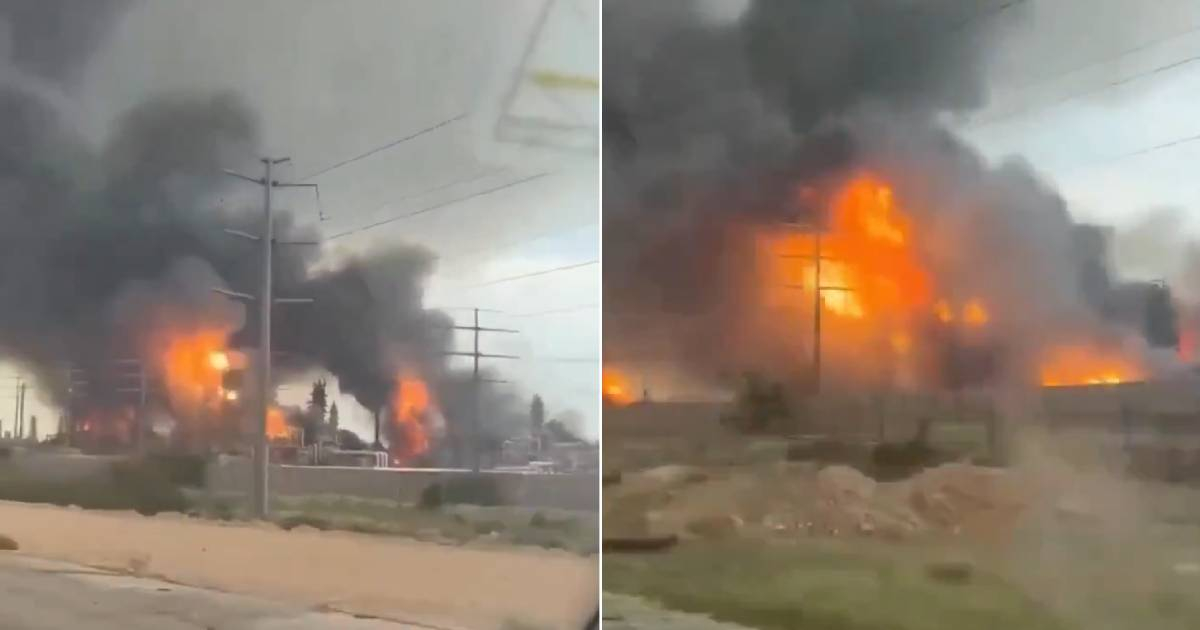
The Israeli attack on the South Pars gas field, the largest in the world, located in Iranian territory, has triggered a new escalation in the Middle East that is already affecting international energy markets.
Following the offensive, Iran responded with missiles targeting energy infrastructure in Qatar and Saudi Arabia, escalating tensions in one of the key regions for global oil and gas supply.
As a result, energy prices surged: Brent crude, the international benchmark, reached 115 dollars per barrel, reflecting fears of supply disruptions, according to CNN.
Trump resumes the attack and issues a warning
The President of the United States, Donald Trump, criticized the Israeli action and stated that Washington had no prior knowledge of the attack.
“Israel has violently attacked a significant facility known as the South Pars gas field in Iran,” he wrote on Truth Social.
Trump also emphasized that Qatar — which shares the gas field with Iran, where it is called North Dome — was not involved in the offensive.
However, the president issued a strong warning to Tehran: if attacks on energy facilities in Qatar continue, the United States is prepared to "obliterate" the South Pars gas field completely.
Although he stated that he does not want to "authorize that level of violence and destruction" due to its long-term implications, he made it clear that he will not hesitate to act if Iranian reprisals continue.
Risk to global supply
The conflict directly threatens one of the most sensitive points in the global energy market. South Pars/North Dome houses one of the largest natural gas reserves on the planet and is crucial for the export of liquefied natural gas (LNG), especially from Qatar.
Military escalation not only increases the risk of supply disruptions, but also puts upward pressure on oil and gas prices, with potential effects on inflation and the global economy.
This new episode confirms how the conflict in the Middle East continues to be a determining factor in global energy stability, with immediate repercussions extending beyond the region.
Filed under: