
Related videos:
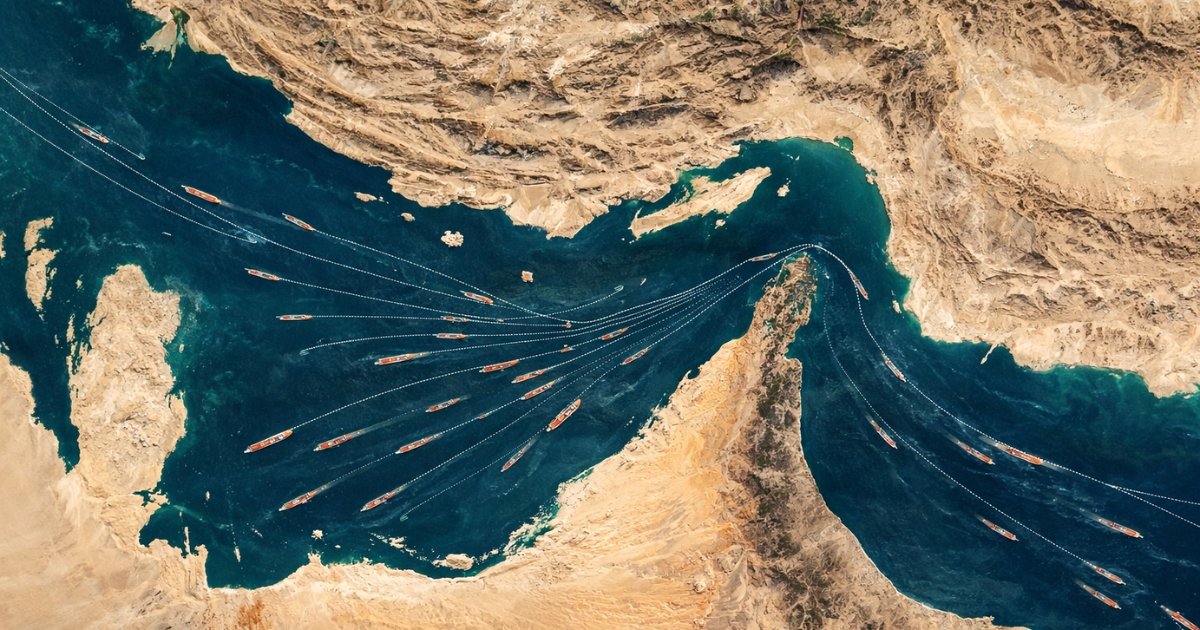
Iran issued a formal warning this Wednesday by declaring that it will not allow the transit of oil through the Strait of Hormuz destined for the United States and Israel, according to the EFE agency. This threat comes on the 12th day of the armed conflict between Iran, the U.S., and Israel, the most severe the Islamic Republic has experienced since its founding in 1979.
The commander of the Iranian Revolutionary Guard, Ebrahim Jabari, was emphatic: "The strait remains closed. If anyone attempts to pass, the Revolutionary Guard will open fire on the ships." Iranian forces also issued radio messages warning that "the passage of ships is not allowed," including commercial vessels.
The conflict erupted on February 28, when the U.S. and Israel launched coordinated airstrikes against Iran—named "Operation Epic Fury" and "Operation Roaring Lion"—involving around 200 fighter jets and over 500 targets in Iranian territory. In these strikes, the Supreme Leader Ali Jamenei, along with his wife, a granddaughter, and high-ranking military officials, were killed. Iran responded with "Operation True Promise 4," launching more than 500 ballistic missiles and over 2,000 drones against Israel and U.S. bases in the region.
Since then, the U.S. and Israel have carried out more than 1,700 airstrikes, destroying nuclear facilities such as Natanz, Isfahan, and Fordow—verified by the IAEA with no radiological leaks—as well as 17 Iranian ships and a submarine. The U.S. destroyed at least 16 Iranian warships that were placing mines in the strait, and Trump offered naval escorts from the Navy for tankers attempting to navigate the area.
The economic consequences are devastating. Approximately one fifth of the world's oil (about 14 million barrels per day before the conflict) passes through the Strait of Hormuz, with 80% destined for Asia-Pacific countries. WTI crude recorded its largest weekly increase since 1983, fluctuating between over 90 and nearly 80 dollars per barrel, and is around 81 dollars this Wednesday.
Iraq has already reduced its production by 1.5 million barrels per day, and analysts warn that 15 million barrels per day could be affected if the disruption continues. Prices could exceed 100 dollars per barrel if the conflict persists.
For Cuba, whose economy critically depends on fuel imports, a sustained rise in oil prices would further exacerbate the energy crisis that is already causing the island to experience blackouts of up to 20 hours daily. The regime in Havana, a historic ally of Tehran, has not issued an official statement regarding the conflict, although pressure on its energy suppliers—Venezuela and Russia, both affected by market volatility—could compel a stance in the coming weeks.
In the Iranian political front, the Assembly of Experts appointed Mojtaba Jamenei —the 56-year-old son of the deceased leader, regarded as more radical than his father— as the new supreme leader, although he is reported to be injured and his whereabouts are uncertain. Trump described the appointment as "unacceptable" and claimed that "it won't last long."
The U.S. president, who days earlier stated that the war was practically over and that Iran "has surrendered," warned that if Iran blocked the passage of oil, "death, fire, and fury will rain down on them" and that the U.S. would respond "20 times stronger."
Filed under: