
Related videos:
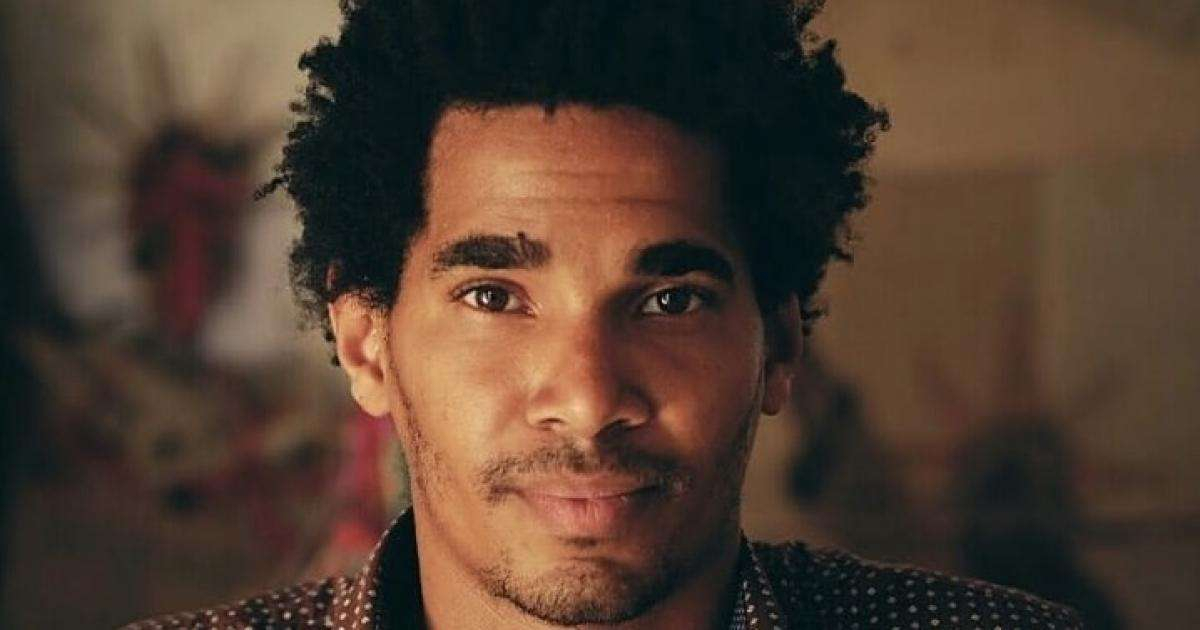
The Provincial People's Tribunal of Artemisa rejected the habeas corpus petition filed on behalf of the artist and political prisoner Luis Manuel Otero Alcántara, a decision that has been heavily criticized by the organization Cubalex, which denounced contradictions and irregularities in the judicial process.
According to a statement released on March 23, the First Criminal Chamber dismissed the appeal without providing clear legal grounds or indicating which authority would be competent to handle it, leaving the applicant in a state of "absolute defenselessness."
The most controversial aspect of the ruling lies in an apparent contradiction within the judicial document itself. According to Cubalex, the court states simultaneously that Otero Alcántara is under a precautionary measure of provisional imprisonment and that he is serving a sentence in prison, two conditions that, from a legal standpoint, are incompatible.
“The result is that there is no response, there is no justice,” the organization reported on its social media, where it also emphasized that the habeas corpus was denied without any explanation or in-depth analysis of the case.
The motion had been filed days earlier with the aim of contesting the legality of the artist's imprisonment, arguing that he had already fully served the five-year sentence imposed on him in 2022 for the crimes of contempt against national symbols, defiance, and public disorder.
According to calculations presented by Cubalex, Otero Alcántara has been in prison since July 11, 2021, under provisional detention, a period that should be counted as part of the sentence. Additionally, there would be benefits for sentence reduction due to good behavior, which would lead to considering the penalty as already served.
If this interpretation is correct, the organization warns, keeping him in prison would constitute an illegal deprivation of liberty under Cuban law itself.
Habeas corpus, protected by the Constitution and the Criminal Procedure Law, is the primary legal mechanism for challenging arbitrary detentions. However, Cubalex argues that the court's actions not only failed to address the substance of the matter but also obstructed effective access to this resource.
In light of this situation, the organization demanded the proper processing of the habeas corpus, a well-founded judicial response, and the immediate release of the artist if it is confirmed that he has already served his sentence.
He also announced that the case will be taken to international human rights protection bodies, including the United Nations, as it is considered an arbitrary detention.
Filed under: