
Related videos:
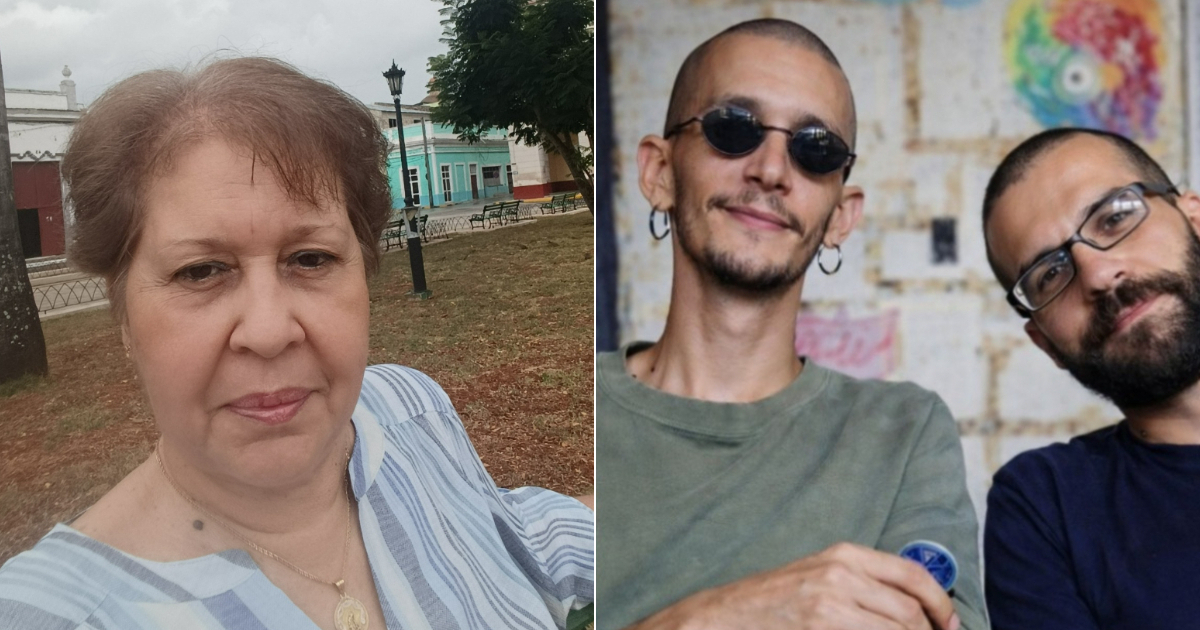
The Cuban intellectual and professor Alina Bárbara López Hernández reacted to the detention of the young people involved in the independent project El4tico with a message focused on what she believes to be the core of repression in Cuba: the punishment of independent thought.
In a social media post, Alina Bárbara stated that those in power on the island “do not care about the type of symbol you appropriate to oppress you,” referring to the controversy surrounding the use of the cap with the slogan Make Cuba Great Again. She wrote that the issue is not with the garment itself, but with what it represents: the autonomy of thought.
"I haven't seen any of the people who today get hives from the red cap demanding the freedom of Luisma," she pointed out, referring to the artist Luis Manuel Otero Alcántara, who has been imprisoned for years after using the Cuban flag as a symbol of artistic freedom. For Alina Bárbara, this silence highlights a double standard when it comes to defending fundamental rights.
The professor was emphatic in emphasizing that the young people from El4tico are not being targeted for wearing a cap, but rather for the content of their ideas. "They are accused of hostile propaganda against the constitutional order for their analyses, not for the cap," she wrote, making it clear that the real conflict is with critical thinking.
In her message, she also recalled that she herself was repressed in the past for holding a sign with a phrase by Antonio Maceo, an experience that confirmed for her that “what is forbidden is to think independently” and that, in Cuba, “the sin is to feel free.”
Alina Bárbara clarified that she does not support the use of that particular symbol, but rejected any justification for the repression. “While I wouldn’t wear that cap, I also wouldn’t think of imprisoning anyone who does,” she wrote, insisting that the debate should not shift towards symbols, but rather focus on the defense of freedoms.
His reflection came after the arrest in Holguín of Kamil Zayas Pérez and Ernesto Ricardo Medina, who were detained during a police operation in which equipment used to produce and disseminate critical content about the Cuban reality was also confiscated.
The case sparked a wave of solidarity expressed by young activists and generated reactions from artists and intellectuals who denounced the silencing of independent voices.
For Alina Bárbara, however, beyond the specific reactions, the episode confirms a pattern: in a country permeated by crisis and social discontent, those in power respond to independent thought not with arguments, but with punishment.
Filed under: