
Related videos:
The crisis faced by Cubans on the island has now raised an international alarm. The World Health Organization (WHO) warned that the health situation in Cuba is "deeply worrying," amid prolonged blackouts, a lack of fuel, and an increasingly limited hospital system.
The Director-General of the organization, Tedros Adhanom Ghebreyesus, warned that health cannot be left "at the mercy of geopolitics, energy blockades, and power outages," referring to a reality that thousands of Cuban families face daily: hospitals without the conditions to save lives.
“Reports indicate that Cuban hospitals have been struggling to maintain emergency and intensive care services,” wrote the executive on X.
He also added that “the hospitals, clinics, and ambulances in Cuba are needed now more than ever and must receive support so they can carry out their life-saving work.”
On the island, power outages are no longer an exception, but rather a part of daily life. In some areas, they last up to 20 hours a day, directly impacting the operation of hospitals, ambulances, and essential services.
The consequences are devastating. According to the WHO, thousands of surgeries have had to be postponed in recent weeks. Cancer patients, pregnant women, and critically ill individuals face additional risks because medical equipment cannot operate reliably, and the cold chain—essential for vaccines and medications—has been compromised.
It is not an isolated problem. Since early 2026, the fuel shortage has brought key sectors of the country to a standstill. With insufficient oil, not only do the lights go out: transportation is reduced, garbage piles up in the streets, and even reaching a hospital becomes difficult.
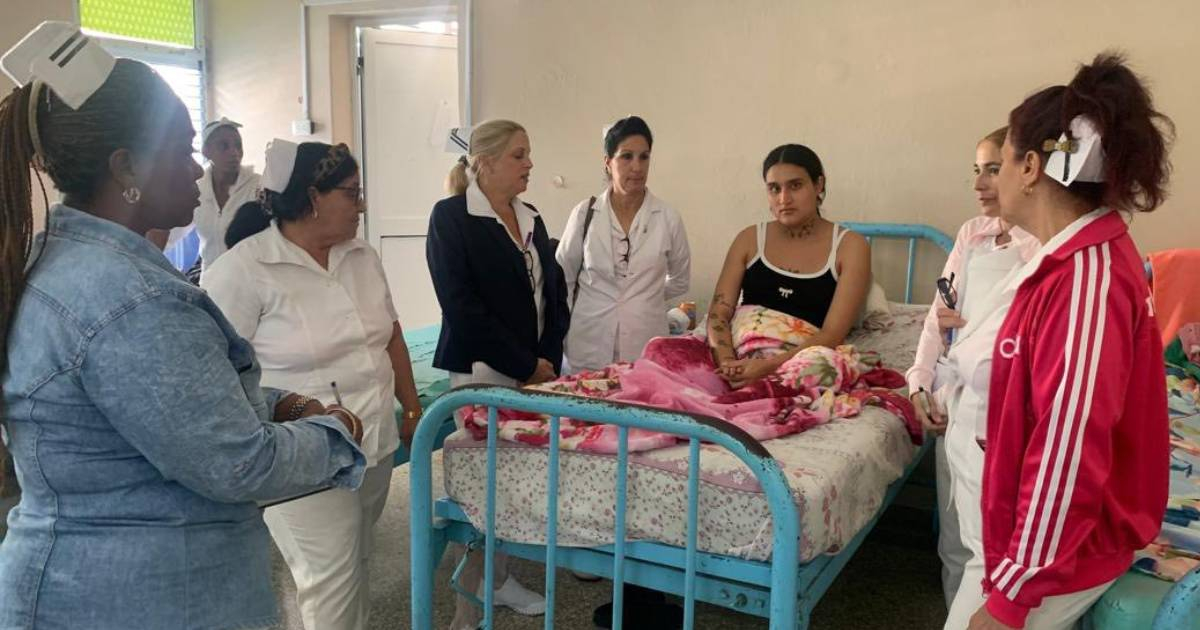
In that context, the healthcare system —long presented as one of the greatest achievements of the Cuban model— is currently operating at its limits. Recent reports indicate that hospitals have had to suspend surgeries and are working under conditions comparable to a permanent emergency.
The WHO warning highlights the human impact of this crisis. It is not just about statistics or infrastructure; it involves lives at risk, interrupted treatments, and families facing the uncertainty of not knowing whether there will be electricity when it is needed the most.
Meanwhile, the international organization urged that health services in Cuba receive the necessary support to continue their work. In an island where each power outage can mean the difference between life and death, the crisis is no longer just economic or energy-related: it is increasingly becoming a humanitarian emergency.
Filed under: