
Related videos:
The Cuban government is negotiating its survival with the United States, and while the talks appear to be stalled, Cubans are experiencing a crisis that exceeds even the "Special Period."
An analysis published by The Economist suggests that the deterioration in the country has accelerated in recent months amid the pressure from the administration of Donald Trump, leaving the government of Miguel Díaz-Canel with less room for maneuver.
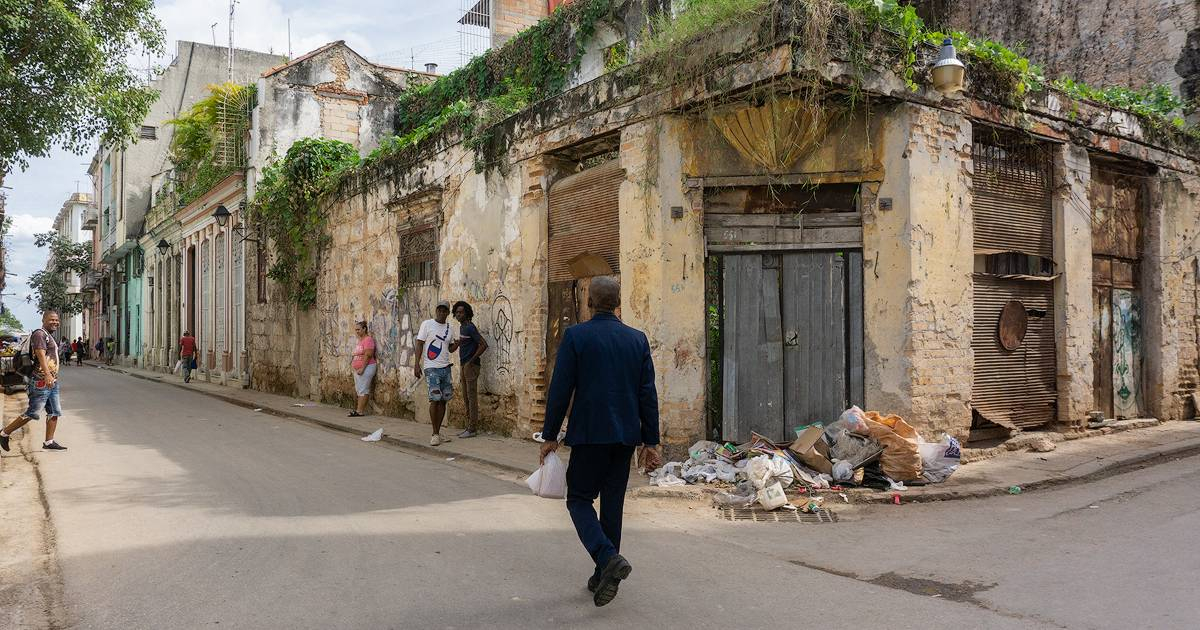
Beyond the political context, the real impact is felt on the streets with a lack of transportation, long lines to obtain food, hospitals with limited services, and salaries that are no longer enough to cover even the basics.
The Cuban economic crisis is not just a problem of figures or policies; it is a reality that strikes harder each day against ordinary people.
In the healthcare sector, thousands of surgeries have had to be postponed. Cancer patients, pregnant women, and individuals in critical condition are facing additional risks because medical equipment cannot operate reliably. The cold chain, which is vital for vaccines and medications, has also been compromised.
The energy crisis keeps entire neighborhoods in the dark for more than 20 hours. The scarcity of food, water, and fuel imposes a constant struggle for survival. Daily activities such as cooking, transportation, and resting are becoming increasingly difficult.
Many Cubans begin each day with uncertainty about whether their money will be enough to buy food for their children, whether there will be transportation to get to work, or if prices have gone up again in the informal market.
Cuban elders are probably the most vulnerable population in the country. Many have been left alone on the island, and their pension is equivalent to the price of a liter of sunflower oil.
Social discontent is growing. Protests have increased, but the fear of repression acts as a brake. In this context, emigration is solidifying as the primary way out.
Thousands of Cubans, mostly young people, have left the country in search of opportunities, leaving behind fractured families and an increasingly aging society.
The regime is trying to stay afloat, and the burden of the crisis falls on the population. The average Cuban faces a stark reality: surviving amid the collapse has become the greatest daily challenge.
Filed under: