
Related videos:
Costa Rica has established itself as a global leader in agricultural innovation thanks to Bayer's operations in the province of Guanacaste, where a Research and Development station specializing in cotton seeds exports more than 40 tons annually to the United States, in stark contrast to Cuba, which is mired in one of the worst food crises in its recent history.
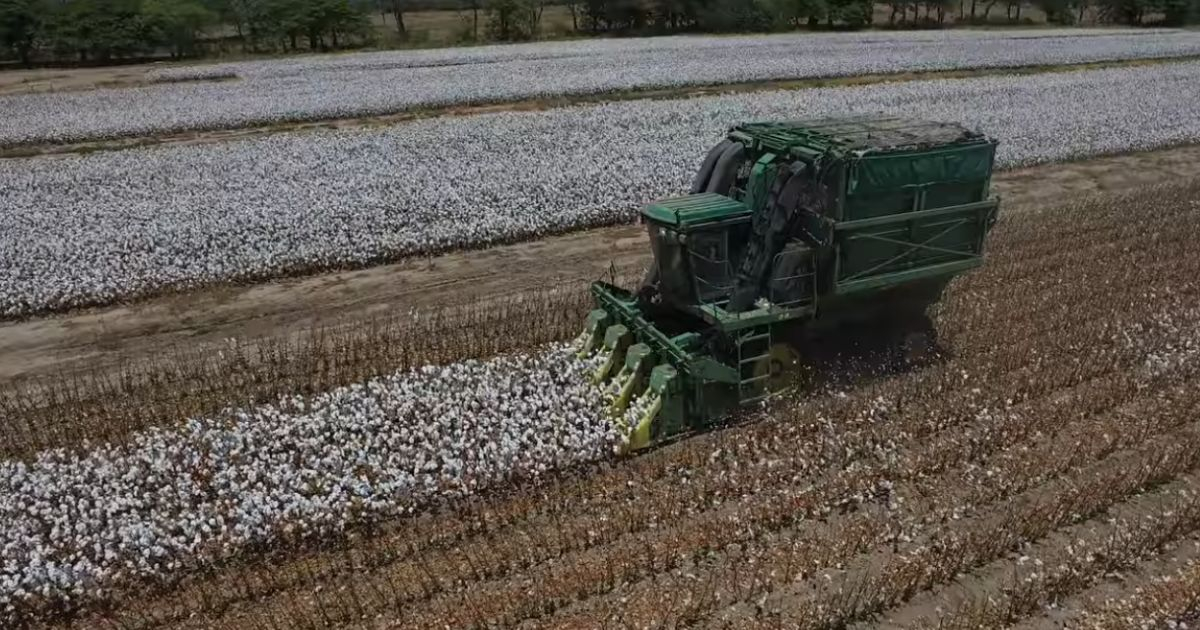
Every year, more than 300 hectares of cotton are planted in areas such as La Palma de Abangares and Chomes, in Puntarenas. These crops are not aimed at traditional fiber production, but rather at genetic improvement of seeds that are later used in various international markets.
The operation, with nearly three decades of presence in the country, utilizes digital agriculture tools, water mapping systems, and real-time agronomic monitoring, allowing for the precise collection and analysis of data to optimize crop yields.
The infrastructure has grown significantly: the station adds 31 new hectares of protected environments, including greenhouses and mesh houses designed to control climatic variables. Since 2022, it operates under a carbon neutrality scheme and has been continuously recognized with the Blue Flag Ecological Program award since 2017.
The contrast with Cuba is striking: 80% of Cubans believe that the current crisis is worse than the Special Period, while national rice production has fallen from 30% to 11% of demand
In Cuba, the State owes nearly 200 million pesos to farmers just in Havana, and 7,400 hectares prepared for cultivation are being worked with teams of oxen.
Finally, China has sent 30,000 tons of rice and Brazil announced the shipment of 20,800 tons of food to relieve the shortages.
The cotton project in Costa Rica generates over 50 permanent jobs and up to 200 temporary positions per production cycle in agronomy, biotechnology, and fieldwork, benefiting communities in Guanacaste and Puntarenas, regions traditionally affected by economic limitations.
This is particularly striking, as it demonstrates how a small country can integrate into highly specialized value chains, contributing knowledge, technology, and human talent to an industry that generates billions of dollars worldwide.
And what is Cuba waiting for?
Filed under: