
Related videos:
The state company Cuba Petróleo (CUPET) reported on how the recently arrived Russian fuel will be distributed on the island, amid the deep energy crisis the country is facing.
The announcement regarding its distribution was made by Irenaldo Pérez Cardozo, deputy director of CUPET, who explained that the crude oil will be refined to obtain various derivatives intended for sectors deemed a priority.
According to the report, a portion of the fuel will be used for distributed electricity generation and to support essential economic activities, in a context marked by prolonged blackouts across the country.
Another portion will be allocated to the production of fuel oil, which will be used in electric barges and in power plants such as those in Mariel and Moa, key components of the electric power system.
It is also anticipated that liquefied petroleum gas will be obtained to ensure the cooking of food in critical facilities such as hospitals and internal centers.
CUPET also indicated that a quantity of gasoline will be produced to alleviate demand, although it did not specify volumes or the actual extent of the measure.
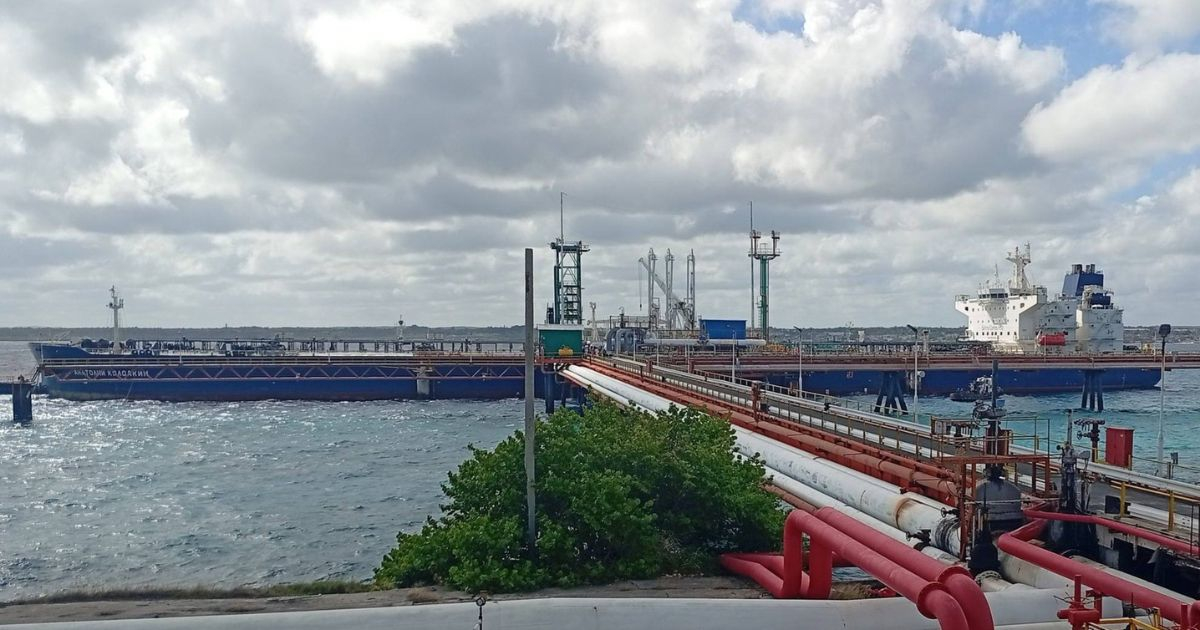
According to previously released official data, this involves 100,000 metric tons of crude oil sent by Russia, which will be processed in Cuban refineries and, according to the government, represent relief amid the complex national energy situation.
The arrival of this shipment comes amidst a widespread fuel shortage that has impacted transportation, electricity generation, and daily life, all in a context of crisis that has intensified in recent months.
His arrival, however, was interpreted by the American newspaper The New York Times as a sign that the Trump administration is “softening” its effective blockade on oil supplies to Cuba, after the Coast Guard allowed the arrival of the vessel Anatoli Kolodkin at the port of Matanzas with approximately 730,000 barrels of crude onboard (about 100 thousand metric tons).
Filed under: