
Related videos:
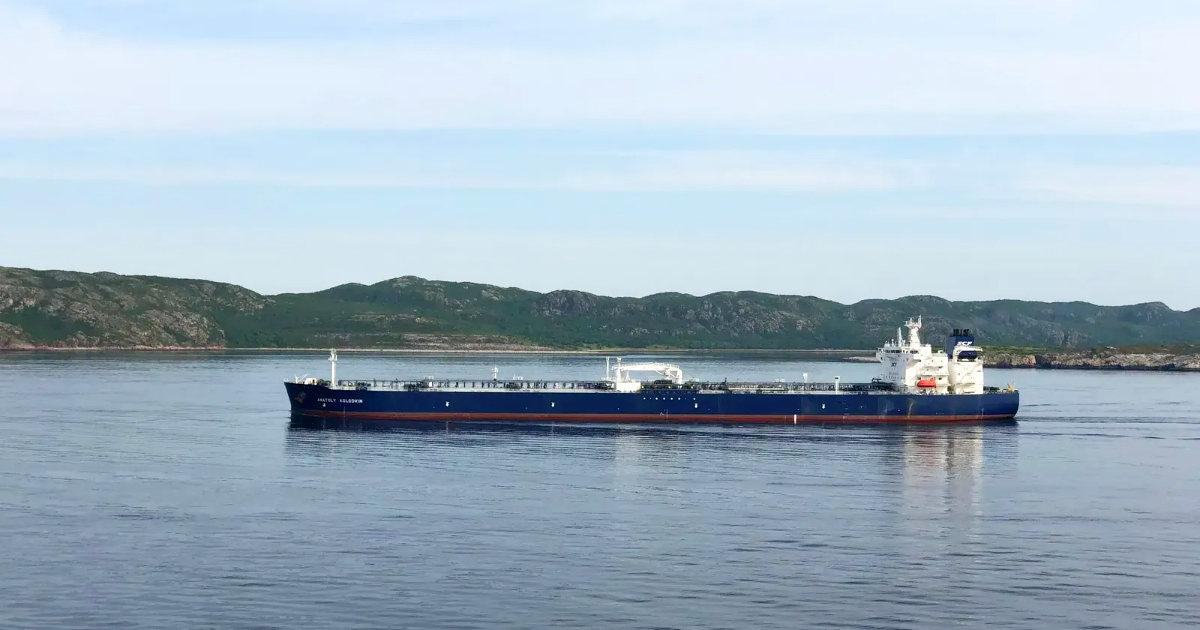
The American media outlet The New York Times published an analysis yesterday interpreting that the Trump administration is 'softening' its effective oil blockade against Cuba, following the Coast Guard allowing the arrival of the Anatoli Kolodkin at the port of Matanzas with approximately 730,000 barrels of crude on board.
The White House spokesperson, Karoline Leavitt, confirmed on Monday that oil shipments to Cuba will be assessed 'on a case-by-case basis' for humanitarian reasons. "Decisions will continue to be made on a case-by-case basis for humanitarian or other reasons, but there has been no formal change in our sanctions policy," she stated to the press.
The shift contrasts with the stance that President Trump maintained since January, when he posted on social media: 'NO MORE OIL OR MONEY GOING TO CUBA — ZERO!'. Since then, the Coast Guard has intercepted at least seven tankers headed to the island, including the Sea Horse and the Ocean Mariner.
However, in response to the Russian tanker, Trump changed his tone: "If a country wants to send some oil to Cuba, I have no problem, whether it's Russia or anyone else, because people need heating and cooling".
The most revealing geopolitical element of the episode, according to the NYT, is that the Kremlin admitted to having coordinated the shipment with Washington.
Dmitri Peskov, spokesman for Putin, stated that 'this issue was raised earlier during the contacts with our American counterparts' and that Russia has the duty to support its 'friends' in Cuba.
For the New York newspaper, this demonstrates that Moscow has some leverage over Washington in the context of broader negotiations between Trump and Putin, and that the policy of 'total blockade' was never as absolute as the president publicly proclaimed.
The shipment, equivalent to about 100,000 tons of crude, covers only one or two weeks of Cuban consumption, which requires between 100,000 and 110,000 barrels daily, according to expert Jorge Piñón from the University of Texas.
The energy crisis that prompted the humanitarian exception is devastating: Cuba is experiencing power outages of up to 22 hours daily, generation deficits of up to 2,040 megawatts, and at least three total collapses of the national electric system in March, including one on March 16 that lasted for 29 hours.
The analyst William LeoGrande, from American University, suggested that the exception aims to prevent a complete collapse that would trigger a massive migration to the United States.
Trump, however, maintained a tough stance against the regime: "Cuba is finished. They have a bad regime, very bad and corrupt leadership, and whether they receive an oil tanker or not, it won’t matter."
Filed under: