
Related videos:
The trial against the former Cuban-American congressman David Rivera in Miami has begun to reveal an uncomfortable scheme for key power figures in Washington, including close allies of President Donald Trump and current Secretary of State Marco Rubio.
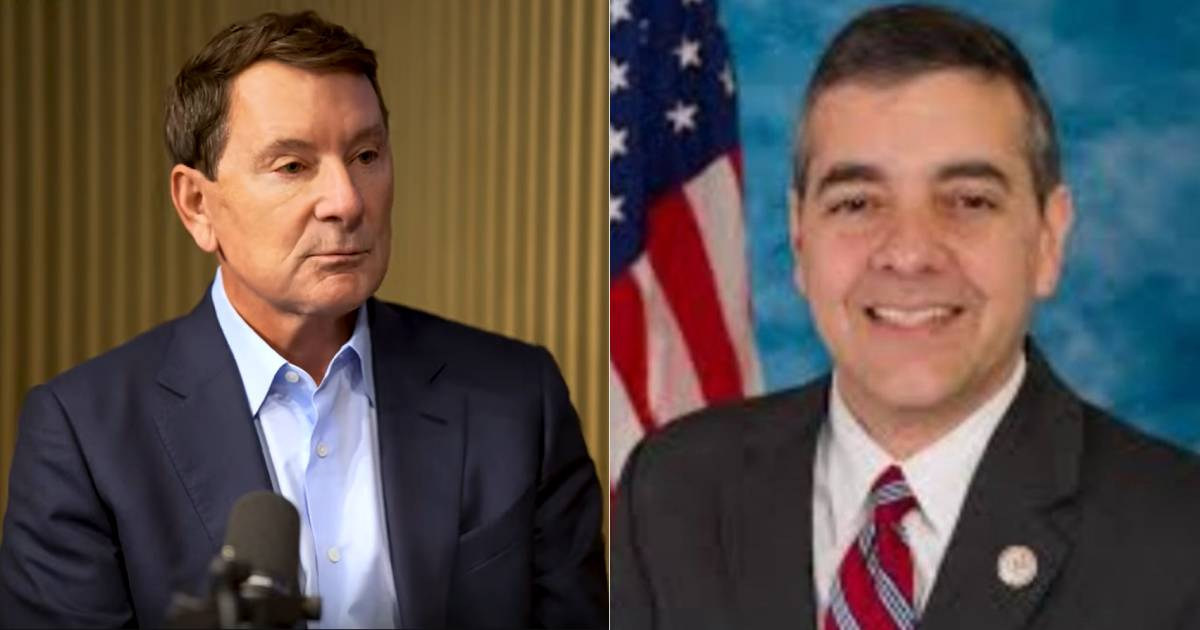
According to a report by The Washington Post, the influential lobbyist Brian Ballard—considered one of the political operatives closest to Trump—testified in federal court that he severed all ties with Rivera upon discovering that he had signed a million-dollar contract related to the Venezuelan government.
Ballard assured that for years he believed that both he and Rivera were working to weaken the regime of Nicolás Maduro. However, that perception changed abruptly when a $50 million agreement came to light, which, according to prosecutors, would have served as a cover for lobbying operations in favor of Caracas.
The case, which had already generated significant anticipation due to the involvement of Marco Rubio as a witness, has become a window into the internal tensions within the Republican Party itself.
From allies to suspects
Rivera and Rubio not only share a Cuban-American background, but also a political relationship that dates back decades. Both were rising figures in the Republican Party in Florida and, according to court documents, maintained close ties even after arriving in Washington.
However, the trial has put that relationship under pressure. Rubio has already testified that he felt betrayed by his former ally, while Ballard recounted that he even blocked Rivera after receiving messages that suggested his involvement in the alleged scheme.
"You are part of this too!" Rivera wrote to him in a message, according to the testimony presented in court, a phrase that marked the definitive breaking point between the two.
A web that splashes onto Washington
Prosecutors argue that Rivera operated as a foreign agent without registering, using his political connections to try to influence U.S. policy toward Venezuela.
The investigation also involves high-profile figures, ranging from congress members to White House advisors, and reveals attempts at rapprochement between actors linked to chavismo and sectors of the U.S. power structure amid the sanctions imposed on Caracas.
At the center of the plot is the Venezuelan businessman Raúl Gorrín, accused in the United States of corruption, who allegedly attempted to gain access in Washington while presenting himself as a promoter of a supposed democratic change in Venezuela.
For many Cubans both on and off the island, this case is particularly sensitive. It's not only due to the figure of Rivera, a politician of Cuban descent who reached Congress, but also because of what it reveals about the complex —and sometimes contradictory— alliances surrounding authoritarian regimes in the region.
While Rivera claims to be innocent and asserts that his work aimed to encourage a transition in Venezuela, the judicial process is advancing against a political backdrop that could have repercussions beyond the courts.
The trial continues in Miami, under the watchful eye of a community that is intimately familiar with the weight of politics, exile, and unfulfilled promises.
Filed under: