
Related videos:
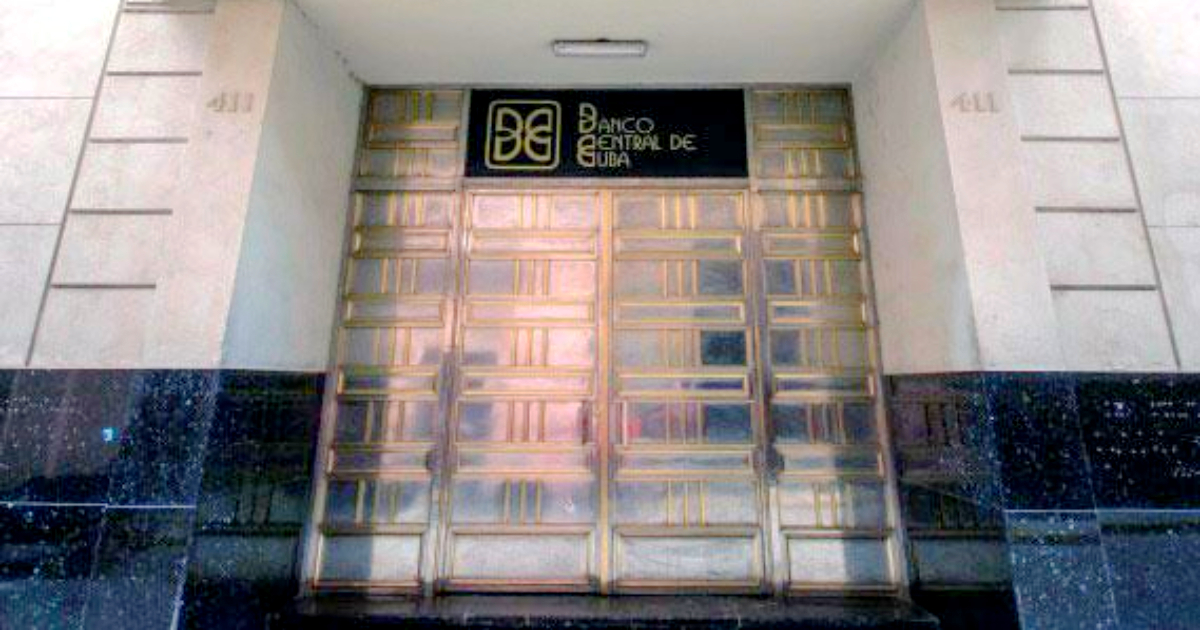
The official rates of the Central Bank of Cuba (BCC) remain stagnant this Saturday, with the US dollar set at 480 CUP and the euro at 554.16 CUP within the so-called Segment III of the currency market.
This behavior contrasts with what is happening in the informal market, where the main currencies have resumed their upward trend after several days of stability.
The dollar is now around 518 CUP, while the euro has risen to 585 CUP, further widening the gap between the two currencies.
The current difference —of about 38 pesos in the case of the dollar and more than 30 pesos in the euro— shows that the "floating" rate is once again lagging behind the parallel market, after weeks in which the BCC had tried to gradually reach those levels.
The official graphs show that the exchange rate of Segment III experienced a steady increase during February and March, rising from levels close to 455 CUP to the current 480 CUP in the case of the dollar. However, in recent days, that process seems to have come to a halt.
This pause suggests that the Central Bank has chosen to halt the adjustments, possibly to avoid the political and social impact that would come with acknowledging a greater devaluation of the Cuban peso. Each increase in the official rate not only brings the exchange rate closer to reality but also highlights the low value of state wages.
The decision is even more striking in a context where the government itself has authorized the issuance of 2,000 and 5,000 peso banknotes, a measure that reflects the rise in prices and the loss of purchasing power among the population.
This contradiction —acknowledging inflation with new bills while keeping the official rate unchanged— undermines the credibility of the state exchange mechanism and strengthens the role of the informal market as a real reference.
In practice, Segment III increasingly functions as a lagging indicator, unable to set the pace of the market.
Meanwhile, the effective value of the Cuban peso continues to be determined outside the official system, in an environment where the demand for foreign currency remains high and confidence in the national currency continues to deteriorate.
Filed under: