
Related videos:
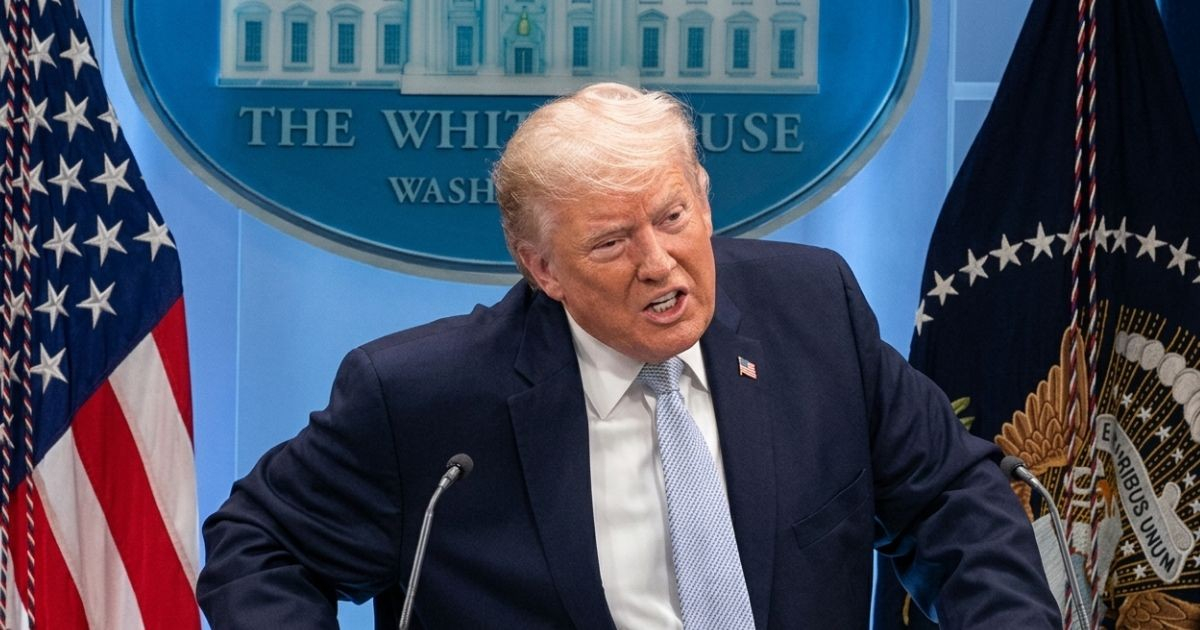
The president Donald Trump posted a message on Truth Social this Wednesday announcing that the United States will closely collaborate with Iran, describing the country as one that "has undergone a very productive regime change," in a stark contrast to the tone he had used just 48 hours earlier.
The contrast is striking: on April 5 and 6, Trump had demanded that Iran reopen the Strait of Hormuz with a message threatening that the Iranians would "live in hell," and on April 7 he went so far as to publish that an entire civilization could die tonight.
In the new post, Trump states that "there will be no uranium enrichment" and that both countries will cooperate to unearth and eliminate the nuclear remains buried deep underground, referring to the damage caused by B-2 bombers during Operation Midnight Hammer on June 22, 2025, which destroyed the nuclear facilities of Fordow, Natanz, and Isfahan.
Trump points out that these remains "are located, and have been, under strict satellite surveillance (Space Force)" and that "nothing has been touched since the attack."
The president also announces that negotiations regarding the reduction of tariffs and sanctions are progressing: Many of the 15 points have already been agreed upon, referring to the ceasefire plan that Washington sent to Tehran in March 2026, which Iran initially rejected as excessive.
The shift occurs after a two-week ceasefire agreed on April 7, mediated by Pakistan, in exchange for the temporary reopening of the Strait of Hormuz, which Iran had blocked since March 4 with mines, drones, and missiles, disrupting the passage of 20% of the world's oil.
The conflict erupted on February 28, 2026 with Operation Epic Fury, a coordinated attack between the U.S. and Israel that destroyed 90% of Iran's missile arsenal and eliminated 49 high-ranking officials, including the Supreme Leader Ali Khamenei, whose death was confirmed on March 1. His son Mojtaba Khamenei was appointed the new Supreme Leader on March 8, although he has not made a public appearance.
The fragility of the agreement became evident when Iranian missiles were intercepted over Jerusalem just hours after the announcement of the ceasefire, and a profound contradiction persists: the Farsi version of the Iranian 10-point plan includes the "acceptance of uranium enrichment," directly contradicting Trump's demand for zero enrichment.
Iran, for its part, offered its own interpretation of the moment: The enemy has been pleading for a ceasefire for a month, Tehran declared on Wednesday, presenting a narrative contrary to that of Washington.
The formal negotiations between both parties were scheduled to begin on April 10 in Islamabad, with the U.S. 15-point plan and Iran's 10-point counterproposal serving as the basis for discussion.
Filed under: