
Related videos:
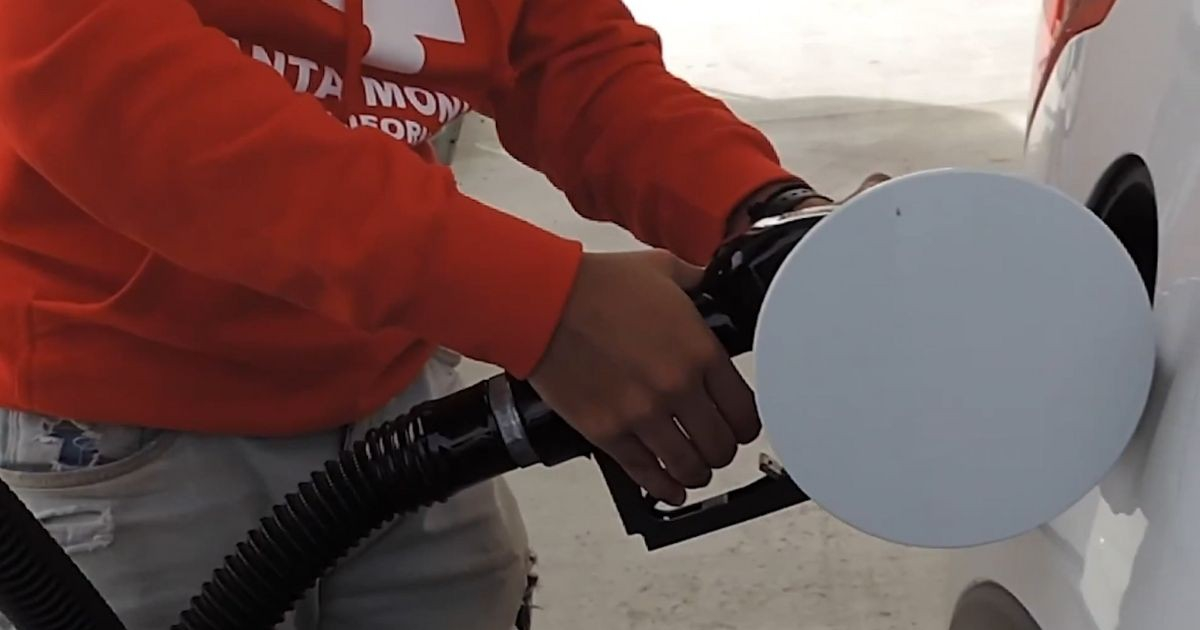
With the average price of gasoline in the United States at $4.17 per gallon —the highest level since 2022— drivers across the country are traveling dozens of miles to refuel at service stations located in Indian reservations, where fuel can cost between 50 cents and $1.20 less per gallon than at conventional stations, reported AP.
The skyrocketing cost of fuel is a response to Iran's blockade of the Strait of Hormuz since last March, in retaliation for the so-called "Operation Epic Fury" launched by the United States and Israel on February 28.
The WTI crude oil surpassed $101 per barrel this Thursday, with an increase of more than 70% since the onset of the conflict.
Junelle Lewis drove 30 minutes to the Tulalip Reservation, north of Seattle, to pay $4.84 per gallon, about 75 cents less than in her local area.
In the Cattaraugus Indian Territory, between Buffalo (New York) and Erie (Pennsylvania), over half a dozen stations offered gasoline at $3.65 per gallon, about 50 cents lower than neighboring towns. In the Mescalero Apache Reservation in New Mexico, the price reached $3.79 per gallon.
Even in California, the state with the highest prices in the country —$5.90 per gallon at the beginning of April— the Chukchansi Crossing station, located between Fresno and Yosemite, was selling for $5.09 per gallon, 60 cents less than nearby stations.
A driver identified as Hall paid $4.57 per gallon for diesel at a reserve, compared to more than $5 at nearby conventional stations.
Mark Foster estimates that he saves about $5 a week by shopping at these tribal stations. According to recent data, drivers have collectively saved over $200 million on gasoline by turning to these stations since the conflict began.
The pricing advantage is based on a legal doctrine that spans over a century. U.S. courts have consistently ruled that states do not have the authority to tax Native Americans on their own lands.
Tribes do pay the federal tax —18.4 cents per gallon of gasoline and 24.3 cents per gallon of diesel—, but they are exempt from state taxes, which range from nine cents per gallon in Alaska to 71 cents in California.
This situation is also framed within the agreements between government and government that have been in place since 2007, which regulate the fiscal relationship between states and tribal nations.
"The Supreme Court has consistently maintained this view," in a context where the inflation in the country reached 3.3% year-over-year as of April 9, further straining the wallets of American consumers.
Filed under: