
Related videos:
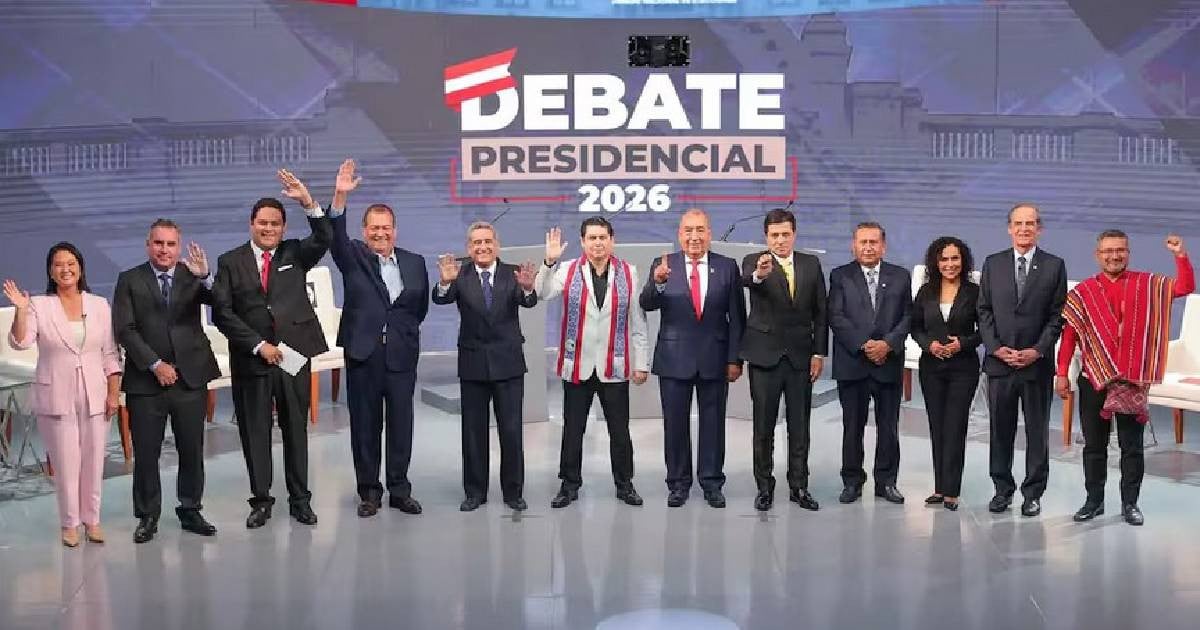
More than 27.3 million Peruvians are heading to the polls this Sunday to elect a president from among 35 candidates, in what analysts describe as the most complex and fragmented elections in the country's recent history.
According to reports from television networks such as CNN en Español and France 24, the polls opened at 7:00 AM and will close at 5:00 PM local time. The first results will be known starting at 7:00 PM, according to the head of the National Office of Electoral Processes (ONPE), Piero Corvetto, who estimated that the count will reach 60% by midnight.
The conservative leader Keiko Fujimori (Fuerza Popular) arrives as the favorite with 14.5% voter intention according to the polling firm Datum, in her fourth consecutive presidential candidacy.
They are followed by the comedian Carlos Álvarez (Country for All) at 10.9% and the ultraconservative Rafael López Aliaga (Popular Renewal) at 9.9%, according to the same polling firm.
No candidate surpasses 15%, making a runoff nearly inevitable, scheduled for June 7, as winning in the first round requires more than 50% of the votes.
The political scientist Gonzalo Banda anticipates a scenario of "dispersion" and "fragmentation of the vote."
In this electoral context, characterized by a highly fragmented race and dozens of presidential candidates, the testimony of Annette also emerged, a 38-year-old Cuban nationalized as Peruvian who is participating in an electoral process for the first time in her life.
After nine years of residing in Peru and just over two years after obtaining her citizenship, Annette was randomly selected as a poll worker at a school in the San Isidro district of Lima.
During the day, he expressed his excitement about being able to vote directly for a president, something he had never been able to do in Cuba, he stated.
His experience reflects a reality shared by many emigrants from the island who are participating for the first time in democratic processes in other countries, where direct voting for choosing leaders contrasts with the Cuban political system, in which the president is not directly elected by the citizens.
Filed under: