
Related videos:
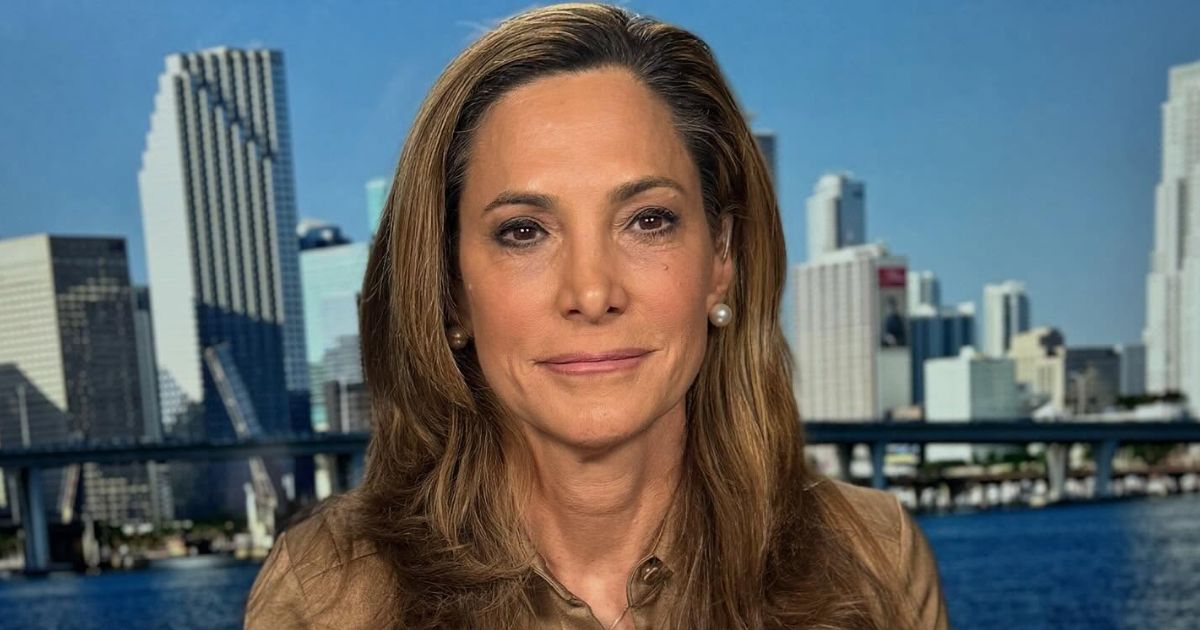
The Cuban-American Republican congresswoman María Elvira Salazar reacted strongly on Tuesday against those who support the regime in Havana, stating that anyone who legitimizes that regime is ignoring the suffering of millions of Cubans who demand freedom.
Her message on X was a direct response to an opinion article published by Danielle Álvarez, a Cuban-American Republican strategist and former senior advisor to Donald Trump's 2024 presidential campaign, in which she calls on the American left to stop legitimizing the Cuban dictatorship.
"Let's be clear: Cuba is not a democracy, it is a dictatorship that kills, imprisons, and oppresses its people," wrote Salazar, who also praised Álvarez for "exposing the truth and calling out those who continue to legitimize the tyranny."
The article by Álvarez, published on Monday in Washington Reporter and amplified by the official Trump War Room account on X, criticizes the visits of Democratic congress members Pramila Jayapal and Jonathan Jackson to Cuba from April 1 to 6, the first in-person meeting of U.S. legislators with the regime since 2018.
Álvarez described those meetings with Díaz-Canel as a propaganda triumph for the dictatorship and also criticized media outlets like NBC for not questioning the Cuban leader's claims of being "elected."
To support her complaint, the former advisor shared testimonies from her own family: "My uncle spent 17 years in prison for speaking out. My aunt was sent to the United States alone at the age of 12, separated from her parents, with her childhood taken away. My mother was forced to participate in a work program so brutal that it shattered children and stripped them of hope."
And he concluded with a direct accusation: "And the left still legitimizes this!"
Álvarez is the daughter of Cuban immigrants settled in Miami who fled the communist regime, an experience that has shaped her political stance.
The testimonies shared refer to documented practices of the dictatorship: the Military Units for Production Aid (UMAP), which affected around 30,000 people between 1965 and 1968, and the Schools in the Countryside, which since 1966 forced minors to work in agriculture without compensation.
The exchange takes place at a time of intense pressure from the Trump administration against Havana, with over 240 sanctions imposed since January 2026 and an executive order declaring Cuba an extraordinary threat to national security.
Salazar, one of the most active voices in Congress on this front, has systematically rejected partial releases of prisoners as propaganda maneuvers and demands the freedom of all political prisoners currently held in the regime's jails on the island.
Filed under: