
Related videos:
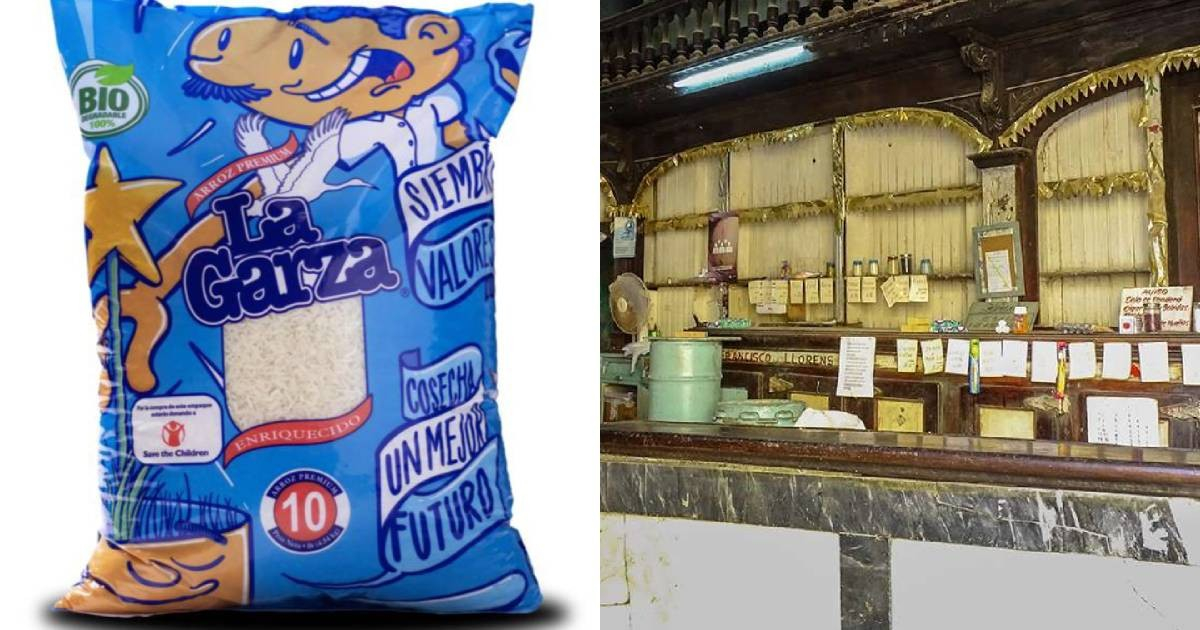
While the Dominican Republic celebrates becoming the largest producer of rice in the Caribbean and Central America, Cuba is experiencing the most severe collapse in its rice history, unable to produce even one out of every nine rice dishes consumed by its population.
According to Diario Libre, the Dominican president Luis Abinader led the commencement of the 2026 rice harvest this Sunday in Bonao, alongside the Minister of Agriculture, Francisco Oliverio Espaillat, in an event that marked a regional milestone for the country.
Espaillat stated that the Dominican Republic collectively surpasses the total production of the Caribbean and Central America, and that the country currently has over five million quintals of rice in inventory, not including the ongoing production, which ensures the supply of the national market.
In 2025, Dominican production reached 14.78 million quintals, equivalent to over one million metric tons, and by the end of March 2026, 1.4 million tareas had already been planted with yields exceeding 5.44 quintals of white rice per tarea in the first harvested areas.
The Dominican model combines agricultural mechanization, the use of drones, satellite leveling of land, mechanized planting, and a new variety of rice developed after more than a decade of research, featuring higher yields of whole grains and weed resistance. To support the sector, Banreservas allocated RD$12 billion at a preferential rate for the collateralization of the grain.
In contrast, the Cuban rice production collapsed from 304,000 tons in 2018 to historical lows, while domestic demand continues to go unmet by national agriculture. This decline has reduced the availability of rice on the island by 41.5% since 2005.
The crisis is reflected in the daily lives of Cubans: in Las Tunas, in February 2026, there was no rice available for the population, a situation that is repeating in various provinces across the country.
The solutions attempted by the Cuban government have also not yielded results. The donations received from China ended up on the black market, far from reaching the families that needed them the most. In the meantime, President Miguel Díaz-Canel asserted that Cuba could be self-sufficient in rice in a short time thanks to cooperation with allied countries, a promise that contrasts sharply with the reality on the ground.
Agricultural collaboration projects have also faced internal obstacles: a company reported frozen funds in May 2025, halting planting initiatives launched in partnership with Vietnam in Pinar del Río.
"The rice is not only a crop; it is stability, food security, and a guarantee of peace for the Dominican people," summarized Minister Espaillat, in a phrase that, by contrast, perfectly describes what Cuba has lost.
Filed under: