
Related videos:
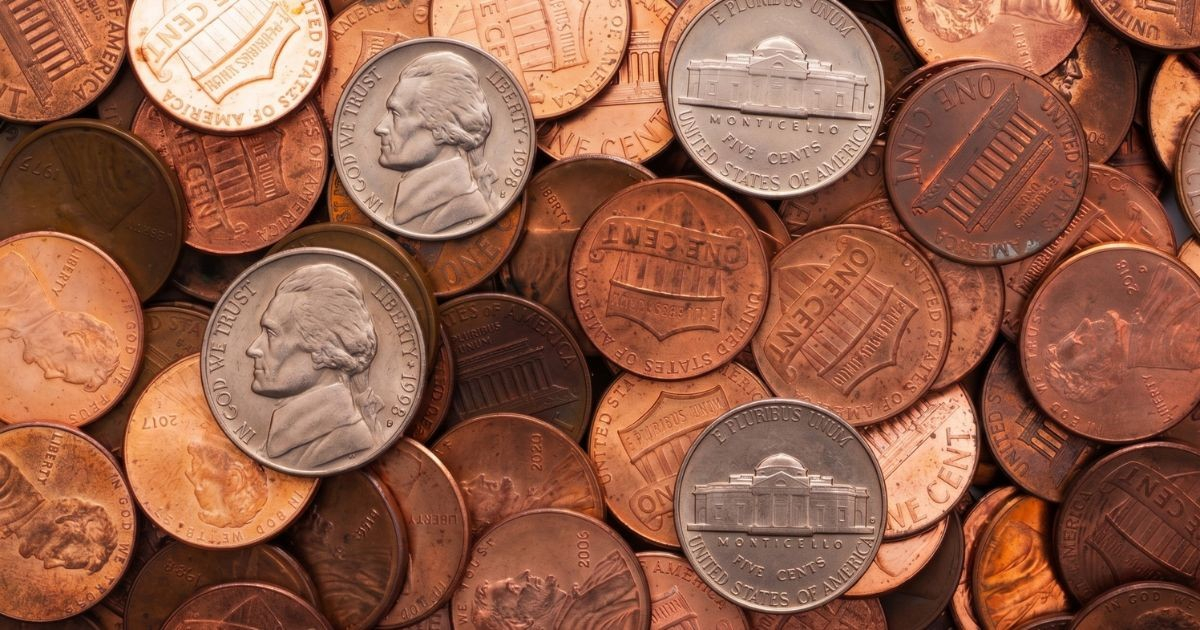
The Florida legislature approved the bill SB 1074, known as "One-cent Piece", which would allow businesses to round cash payments to the nearest multiple of five cents, effectively eliminating the practical use of the penny in everyday transactions for millions of consumers in the state.
The Florida Senate unanimously supported the measure on February 27, sponsored by Senator Don Gaetz (R-Niceville), and the House of Representatives approved it with a vote of 111 to one in March, receiving broad bipartisan support, under the version HB 951 championed by Representative Fiona McFarland (R-Sarasota).
The project is now awaiting the signature of Governor Ron DeSantis to become law.
The direct trigger for this legislation was the federal decision to halt the production of the penny, announced by President Donald Trump in February 2025.
"United States has minted pennies that literally cost more than two cents to produce,” Trump wrote on Truth Social, describing the situation as a "budgetary waste."
Official data from the United States Mint confirms that in 2024, the production cost of each penny rose to 3.69 cents, compared to 1.42 cents in previous years, resulting in losses of over 85 million dollars from the approximately 3.2 billion pennies produced that year, reported Florida Politics.
The production ceased in June 2025, the final inventory was distributed in August 2025, and the Federal Reserve suspended orders at the end of that same year. Elon Musk, leading the Department of Government Efficiency, publicly supported the elimination of the currency.
The SB 1074 establishes clear rules that apply exclusively to cash payments: if the total ends in one or two cents, it is rounded down; if it ends in three or four, it is rounded up to the nearest multiple of five; if it ends in six or seven, it is rounded down to the nearest multiple of five; and if it ends in eight or nine, it is rounded up to the nearest multiple of ten.
Payments made with credit cards, debit cards, or digital methods are not affected and remain at the exact amount.
Taxes will continue to be calculated based on the actual price of the product before rounding.
The vice president of the Florida Retail Federation, Lorena Holley, explained that the measure aims to provide legal clarity and avoid conflicts under the state’s unfair business practice law, which could expose retailers to lawsuits if they implement rounding without a clear regulatory framework.
The change might go almost unnoticed by many consumers, but it would especially impact sectors where cash is still widely used, such as convenience stores and supermarkets.
Economists warn that low-income individuals, who often rely more on cash, may feel the adjustment more in their daily lives, although other experts point out that differences tend to balance out over time.
Florida would not be a global pioneer in this type of measure. Canada eliminated its penny in February 2013 with a rounding system identical to this one, without significant inflationary impact, and Australia did the same in 1992.
Florida would, however, be one of the first states in the United States to formalize systematic rounding in cash as a direct response to the shortage of pennies caused by the federal decision.
Filed under: