
Related videos:
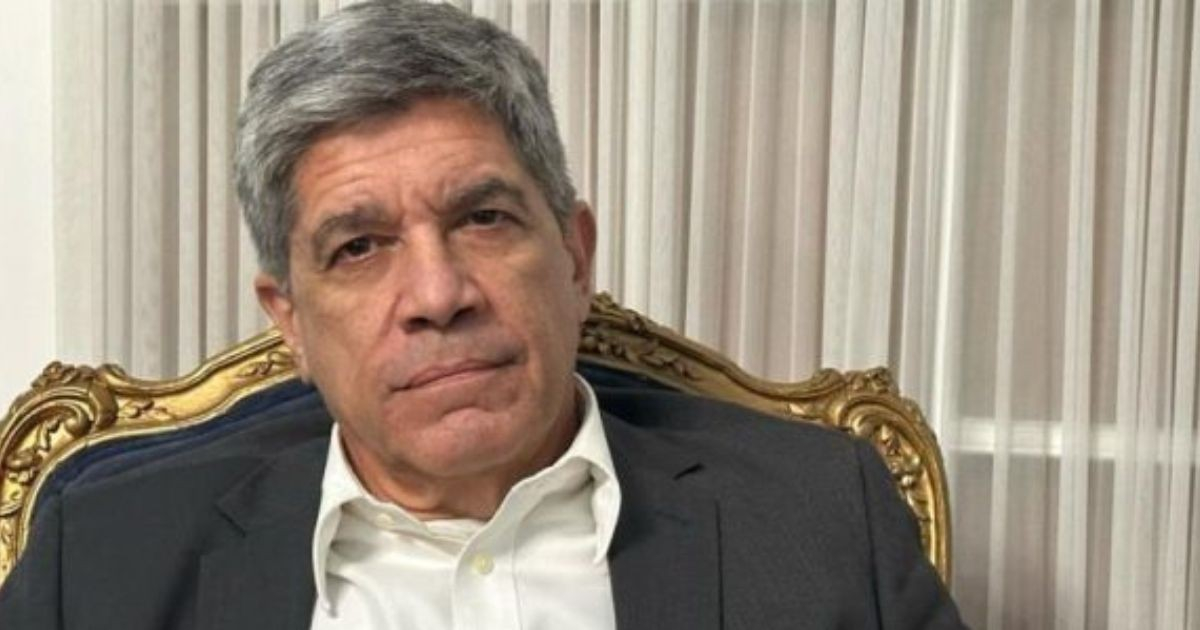
The Deputy Minister of Foreign Affairs of Cuba, Carlos Fernández de Cossio, published a message this Wednesday on X in which he accuses the United States government of unleashing a multifaceted aggression against the island that combines economic pressure with a orchestrated media campaign aimed at anticipating the collapse of the regime.
In his tweet, De Cossio stated that Washington has "unleashed the production of countless news articles portraying an imminent and inevitable outcome of disaster or surrender, while concealing the role of collective punishment in provoking such a result," and concluded that "it all stems from the same crime."
The statement comes at a time of heightened tension between Havana and Washington, following the signing of the Executive Order 14380 by President Donald Trump on January 29, 2026, which deemed the Cuban government an extraordinary threat to the national security of the United States and imposed tariffs on any country that supplies crude oil to the island.
The measure cut between 80 and 90% of Cuba's oil imports, worsening an energy crisis that was already causing blackouts of up to 20 to 24 hours a day in multiple provinces and leaving more than 60% of the national territory without electricity.
The term "collective punishment" is not new in De Cossio's vocabulary. He has systematically used it to describe the energy and economic sanctions of the Trump administration, and both he and Díaz-Canel have repeated it in multiple international forums throughout the year.
The accusation of media manipulation is part of a broader campaign by the regime against independent press and international media, which the government has labeled as "mercenaries" or "media terrorists."
On April 18, Díaz-Canel visited the Cubadebate stand at a colloquium to combat "communication aggression," where he celebrated partnerships with media outlets like Al Mayadeen and Sputnik, both linked to governments aligned with the regime.
The official narrative contrasts with the documented reality on the island. In March, 229 protests were recorded, the highest monthly figure since July 11, according to the organization Cubalex.
Among these mobilizations, the one on March 13 stands out, when protesters occupied and set fire to the municipal headquarters of the Communist Party in Morón, Ciego de Ávila, resulting in five arrests and one injury.
The slogan that resonated in several of those protests sums up the mood of the population: "We don't want light, we want freedom."
In an interview granted to NBC on March 22, De Cossio himself warned that the Cuban Armed Forces would prepare for the possibility of military aggression from the United States, although he reiterated the desire for dialogue and made it clear that the Cuban political system is not subject to negotiation.
Filed under: