
Related videos:
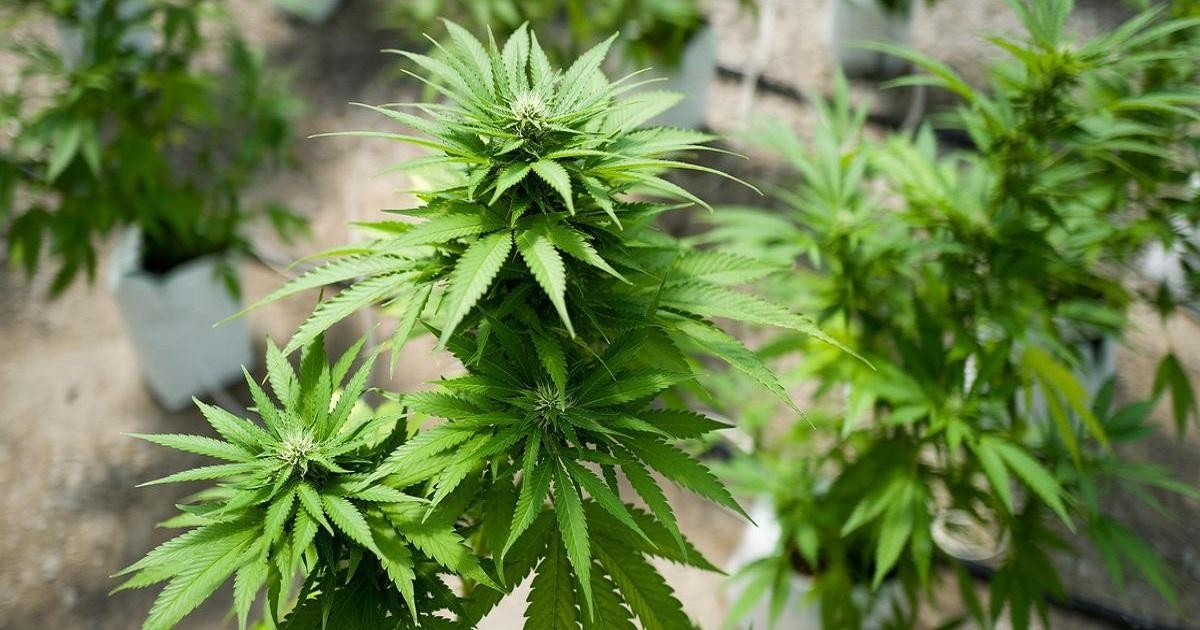
The acting Attorney General of the United States, Todd Blanche, signed an order that reclassifies state-licensed medical marijuana, moving it from the most restrictive category—reserved for substances with no accepted medical use and a high potential for abuse, such as heroin—to a category with fewer restrictions, alongside substances like ketamine and anabolic steroids.
Until now, regulated medical cannabis was listed in Schedule I of the Controlled Substances Act, and it has now moved to Schedule III, marking the first significant change in the federal status of cannabis since the Marijuana Tax Act of 1937.
The order does not legalize marijuana for medical or recreational use at the federal level, but it fundamentally changes the way the government regulates it. Marijuana not covered by a state-licensed medical marijuana program will remain classified in Schedule I.
Blanche stated in a statement that the Department of Justice was fulfilling President Trump's promise to expand Americans' access to medical treatment options.
This reclassification allows for the investigation of the safety and efficacy of this substance, which ultimately provides patients with better care and doctors with more reliable information.
The action is framed within the directive signed by President Donald Trump in December 2025, which instructed the Department of Justice to move forward with the process of reclassifying cannabis at the federal level.
According to reports, the process will include expedited administrative hearings starting June 29, with the aim of formalizing the reclassification as quickly as possible.
The economic impact of the measure is significant: it is estimated that the cannabis industry paid an additional 2.3 billion dollars in federal taxes due to the existing restrictions under Schedule I, a burden that could be alleviated with the new status.
In the legislative arena, more than 20 Republican senators, led by Senator Ted Budd, have expressed their support for the reclassification, stating that it represents a necessary step to modernize federal cannabis policy.
The measure comes amid widespread public support: 64% of Americans favor the legalization of marijuana, according to recent polls, reflecting a profound shift in public perception regarding this substance.
Filed under: