
Related videos:
Ukraine has taken a clear position on the controversial issue of foreign fighters in the war: it does not consider them mercenaries.
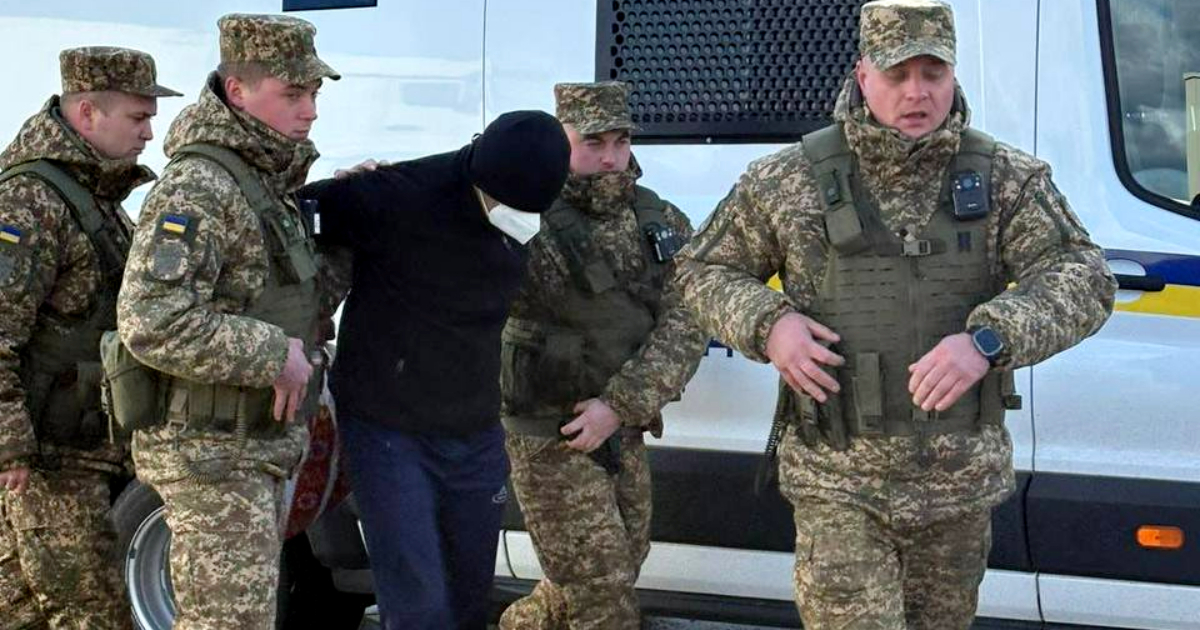
According to statements released by the official Ukrainian project I Want to Live (Хочу Жить), all foreigners captured while serving in the Russian army are treated as prisoners of war, in accordance with the Geneva Conventions.
“Unlike Russia, Ukraine adheres to the Geneva Conventions,” the statement noted. “Despite being foreigners, since they were members of the regular Russian army, they are all in Ukraine as prisoners of war and are not held accountable as mercenaries.”
The statement is particularly significant in the case of Cubans, whose presence in the conflict has been widely documented and, in many instances, labeled as "mercenaries."
However, the Ukrainian stance introduces a key nuance: regardless of the origin or the conditions of recruitment, these fighters are considered part of the regular Russian forces once they sign military contracts with the armed institutions of the Russian state.
The text also accuses Russia of using the issue for propaganda purposes, exaggerating or inventing the presence of alleged foreign mercenaries in Ukraine. It further denounces that Moscow has developed a systematic international recruitment system, particularly aimed at poorer regions of the so-called Global South.
According to cited data, the number of foreigners recruited by Russia has steadily increased: from dozens in 2022 to nearly 14,000 in 2025, with a plan to reach 18,500 in 2026. Among them are citizens from dozens of countries, including Cubans, attracted by promises of high salaries or citizenship.
On the ground, this policy already has visible consequences. Since the end of 2023, Ukraine has been regularly capturing foreign fighters, with a constant presence of citizens from third countries among the prisoners.
Another aspect that stands out about Ukraine is Russia's lack of interest in these fighters once they are captured. According to the statement, Moscow is reluctant even to negotiate the exchange of its own citizens, let alone foreigners, who remain in a sort of limbo without representation or political support.
The Ukrainian recognition of these fighters as prisoners of war also opens a potential avenue that has so far been absent in the Cuban case: the possibility of being included in prisoner exchanges.
In theory, Russia could negotiate their repatriation, as it does with its own soldiers. However, this scenario largely depends on the Cuban regime officially acknowledging the presence of its citizens in the conflict and deciding to intervene on their behalf, something it has so far avoided.
The refusal of Havana to provide transparency or take an active role leaves these Cubans in a particularly vulnerable situation, without clear diplomatic support and with few options for return.
For Cuba, where the regime has insisted on labeling these cases as human trafficking without providing transparency about those involved, the Ukrainian statement adds pressure to the debate.
More than a semantic issue, the difference between "mercenary" and "prisoner of war" has legal and humanitarian implications for dozens of Cubans caught in a conflict that is not their own.
Filed under: