
Related videos:
For years, for thousands of Cubans, reaching the United States meant entering a migration system with clear advantages: the possibility of regularizing their status after one year and progressing toward permanent residency under the Cuban Adjustment Act.
Today, that path has become uncertain, slow, and in many cases, practically inaccessible.
The change is not insignificant.
According to a report by the Cato Institute based on official data from the U.S. Citizenship and Immigration Services (USCIS) and the Immigration and Customs Enforcement (ICE), the immigration situation for Cubans has taken a drastic turn between late 2024 and early 2026: fewer approved residences and many more arrests within the country.
From thousands of homes per month to minimal figures: The collapse
Until October 2024, before the implementation of new immigration policies, over 10,000 Cubans per month were obtaining permanent residency in the United States.
It was a constant flow that reflected the usual functioning of the system, especially for those who qualified under the Cuban Adjustment Act.
But that reality changed in a matter of months.
By January 2026, the figures had plummeted to nearly symbolic levels: just a few dozen approvals per month, and even cases approaching a mere ten, while thousands of applications remained stalled.
In a concrete example, the government received more than 7,000 applications in a month, but only 15 Cubans obtained the green card.
The result: a nearly 99% drop in residence approvals for Cubans, according to calculations from the Cato Institute.
This sudden stop not only involves administrative delays.
He created a legal limbo for thousands of people who were already within the U.S. immigration system, many of whom have been residents of the country for years and had expectations of regularization.
The other side of change: More ICE arrests
As housing decreases, arrests rise.
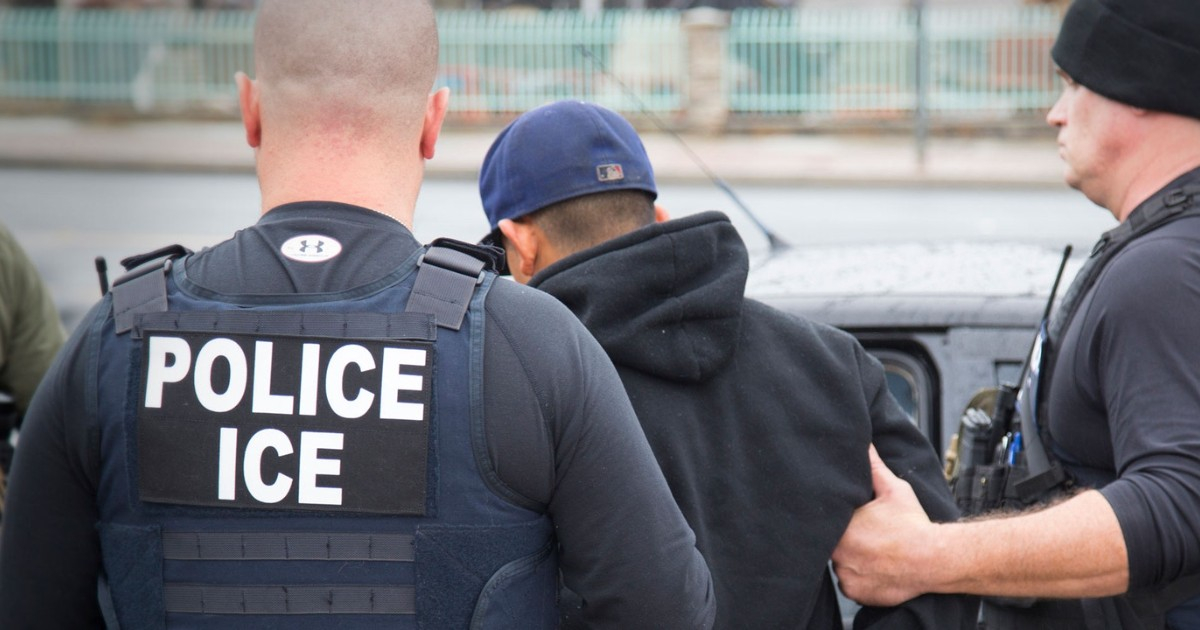
By the end of 2024, ICE was making fewer than 200 monthly arrests of Cubans. One year later, by the end of 2025, the figure exceeded 1,000 arrests per month.
The estimated increase is around 463%.
This contrast - fewer legal avenues and more control actions - is not coincidental.
The Cato Institute's own report states that both trends are interconnected: by slowing down or freezing migration processes, more people are left vulnerable to losing their status or being unable to regularize it, which makes their detention easier.
According to the report, preventing immigrants from obtaining or maintaining legal status is a necessary condition for increasing deportations.
Key changes in immigration policies: What is behind them?
The change in the figures is due to a combination of measures adopted during the administration of Donald Trump, aimed at tightening the immigration system both at the entry to the country and regarding legal residency.
Among the key actions highlighted in the report are:
- Freezing or slowing down of applications for permanent residence.
- Suspension of status adjustment procedures.
- Review and elimination of previous humanitarian programs.
- Cancellation of permits such as parole for certain groups.
- Greater coordination between USCIS and ICE in cases with pending applications.
In practice, this has meant that individuals who were previously able to progress towards residency are now stuck in unresolved processes, and even lose the status they had while waiting.
The report goes further and suggests that this dynamic is not a side effect, but part of a deliberate strategy: to reduce legal immigration in order to facilitate the implementation of deportation policies.
From historical migratory advantage to uncertainty: The impact on Cubans
The impact is particularly strong in the Cuban community, which has been treated differently within the U.S. immigration system for decades.
The Cuban Adjustment Act allowed nationals from the island to apply for residency after one year and one day in the country, a mechanism that facilitated the integration of generations of migrants.
Today, that process has become unpredictable.
Requests that were previously resolved relatively quickly are now left pending for months.
Programs that allowed for legal entry have been eliminated; and individuals who met the requirements to adjust their status face the possibility of being detained while they wait.
The result is a feeling of growing uncertainty, especially in areas like South Florida, where a large part of the Cuban community in the United States is concentrated.
It also impacts other migrants: A broader phenomenon
Although Cubans are among the most affected, they are not the only ones.
The tightening of the immigration system has also affected other nationalities, particularly Venezuelans and beneficiaries of humanitarian programs.
The suspension of procedures and the increase in reviews have left thousands of families in precarious legal situations.
In fact, the report from the Cato Institute indicates that approvals for permanent residency have fallen by half for applicants of all nationalities, with even more pronounced declines in humanitarian categories such as asylum and refuge.
An Expanding Political Debate: Control vs. Legality
The figures have intensified the debate in the United States over immigration policy.
On one hand, organizations like the Cato Institute warn that not only is irregular immigration decreasing, but legal immigration as well, and that the administrative system is being used as a tool for control.
On the other hand, authorities maintain that the measures aim to reinforce the rule of law and organize the immigration system.
Amid this dispute are thousands of migrants—many of them Cubans—who arrived in the country trusting in a process that now seems to have come to a halt.
The change is clear: fewer green cards, more detentions. And for those waiting to regularize their status, the future is now much more uncertain than it was just two years ago.
Filed under: