
Related videos:
Iran transmitted this Sunday to the United States, through Pakistani intermediaries, a 14-point peace proposal structured in three phases, aimed at transforming the fragile ceasefire currently in place into a definitive end to the war within a maximum period of 30 days.
The Iranian plan is a counterproposal to the nine-point document previously presented by Washington, as reported by the semi-official agency Nour News, which has direct links to the country’s security organizations. Tehran thus rejects the U.S. proposal to extend the ceasefire for two months and insists on resolving all outstanding issues within one month.
According to sources cited by Al Jazeera, the first phase involves the gradual reopening of the Strait of Hormuz and the lifting of the U.S. naval blockade on Iranian ports. Iran would take on the responsibility of deactivating the sea mines it placed during the conflict.
The second phase includes a promise of non-aggression —including from Israel— to ensure there is no return to war and the cessation of hostilities throughout the Middle East, including Lebanon.
The third phase involves negotiations regarding the Iranian nuclear program, which Tehran insists on postponing until the previous stages are stabilized, directly contradicting the U.S. demand for "zero enrichment" as a central condition.
The plan also calls for the withdrawal of U.S. forces from the region, the lifting of sanctions, the release of frozen Iranian assets, and the payment of war reparations.
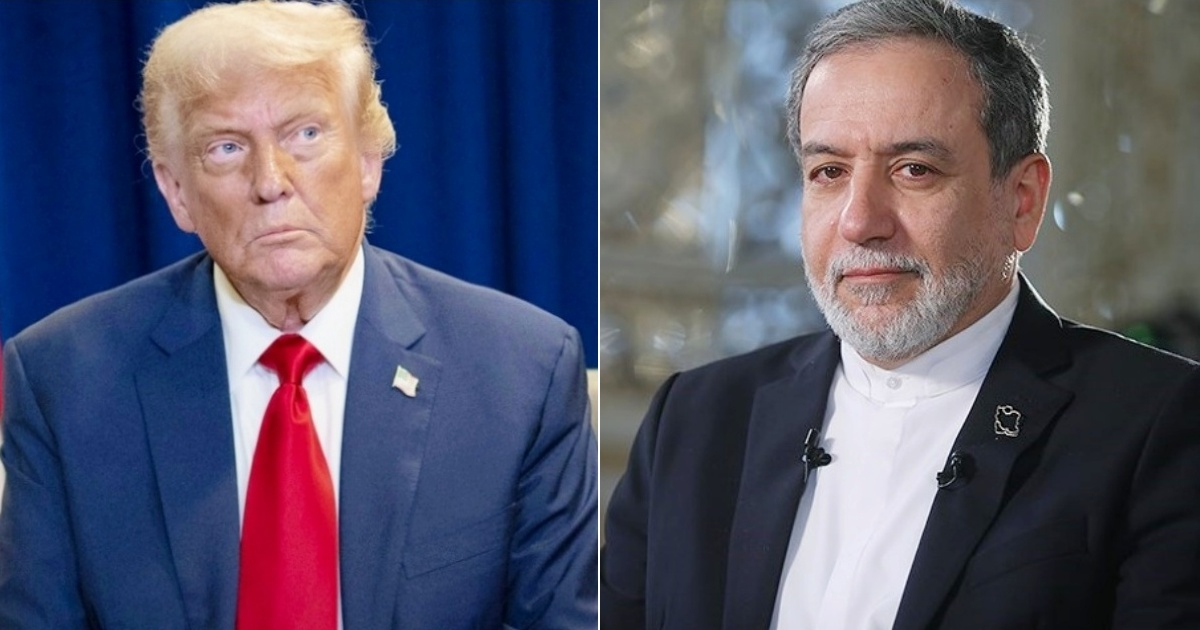
Donald Trump confirmed on Saturday that he was reviewing the proposal. "I will soon be reviewing the plan that Iran just sent us," the president stated, although he expressed skepticism about the possibility of reaching an agreement. The day before, he had already warned: "They want to make a deal, but I'm not satisfied with it."
Analysts and officials described Washington's dilemma as a choice between an "impossible" military attack or a "bad deal," according to the headline with which Al Jazeera summarized the situation this Sunday.
In parallel with the presentation of the plan, Iranian Foreign Minister Abbas Araghchi spoke with his Omani counterpart Badr al-Busaidi, who had overseen previous rounds of negotiations between Washington and Tehran before the outbreak of war, indicating that alternative diplomatic channels remain active.
The context is that of a war that began on February 28, 2026 with Operation Epic Fury, a joint offensive by the U.S. and Israel that destroyed Iranian nuclear facilities and eliminated Supreme Leader Ali Khamenei. Iran responded by closing the Strait of Hormuz on March 4 with mines, drones, and missiles, shooting the price of Brent crude from $67 to over $126 a barrel.
The negotiations in Islamabad failed on April 12 after 21 hours without an agreement, which led the U.S. to impose a selective naval blockade against Iranian vessels starting April 13. The fragile three-week ceasefire seems to hold, with no gunfire exchanged since April 7.
Iran had already presented a ten-point proposal in April as a negotiating basis, and this new 14-point plan represents a more detailed and structured version of its conditions. The war has cost the Pentagon 25 billion dollars up to April 30, according to available data, while the UN has called for the reopening of the Strait of Hormuz to prevent a global humanitarian emergency.
Filed under: