
Related videos:
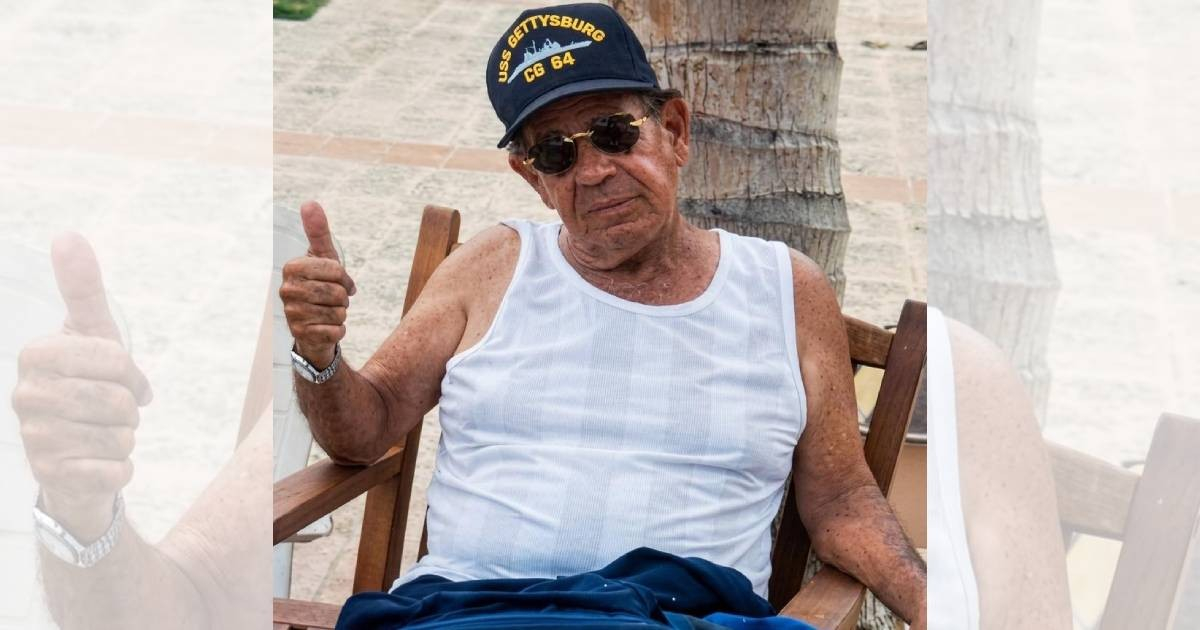
Enrique García, the first motorcycle commissioner in Santiago de Cuba, recently passed away, according to a posthumous tribute published this Sunday by the Facebook group "Motociclismo Santiago de Cuba (HISTORY and Protagonists)," which bid farewell to him as "this great man who was the pioneer of motorcycling in Santiago de Cuba."
García was a foundational figure in sports in the eastern region of the country at a time when Cuban motorcycling still had national and international projections, when the provincial workshop was located on Avenida de las Américas.
According to the tribute, he frequently traveled to Havana to gather information alongside the National Commission, "thoroughly studying the rules and officiating, both in motorcycle racing and motocross," knowledge that he then imparted with discipline and dedication to those taking their first steps in the sport.
Under his guidance, the first athletes from the eastern part of the country were trained, who began to stand out in provincial and national competitions.
In addition to training athletes, García organized weekend rallies that featured drivers and sports activists, events that became highly anticipated and strengthened the practice of motorcycling in the region.
Thanks to their efforts, the eastern provinces managed to rank among the best in the country, leaving a significant mark in the history of Cuban motorcycling.
The tribute describes him as "more than just a coach; he was a father to his athletes and trainers, someone who not only taught technique and discipline but also values, commitment, and a love for the sport."
The death of García occurs in a context of the near disappearance of motorcycling as an organized sport in Cuba. The sport experienced its greatest boom between 1969 and 1980, during which the country managed to participate in world motorcycle championships, with José Peón being the first Cuban to compete in a Grand Prix, at Sachsenring on July 13, 1969.
After the collapse of the socialist bloc in the early 1990s, the supply of spare parts dried up, and INDER ultimately eliminated motorcycling as an affiliated discipline, closing training facilities and putting an end to competitive regularity. Former motorcyclist Nirio Rivero put it bluntly: “INDER eliminated us as an affiliated sport and everything was lost”.
In June 2022, the Cuban government renewed the leadership of the Motorcycling Federation along with three other sports federations, although this did not result in a real recovery of competitive sports.
Santiago de Cuba has a rich motorcycling tradition that dates back to the 1920s, when a Harley-Davidson dealership was established in the city. Today, it is home to the LAMA Chapter, a classic motorcycle club in Santiago that keeps part of that passion alive.
The danger of Cuban roads adds another dimension to the landscape of motorcycling on the island: a motorcycle accident in Cuba resulted in three fatalities in March 2025, reflecting the precarious state of the road infrastructure.
The tribute concludes with a phrase that encapsulates García's legacy: "In every story told and in every shared experience, the mark of one who dedicated his life to shaping not just pilots, but also human beings, remains present."
Filed under: