
Related videos:
The Ukrainian parliamentarian Kira Rudik responded unequivocally this Monday when CNN journalist Jim Sciutto asked her if Ukrainian forces pose a threat to the life of Vladimir Putin.
Of course they are. And I believe I should be concerned, the legislator stated in an interview that circulated widely on social media.
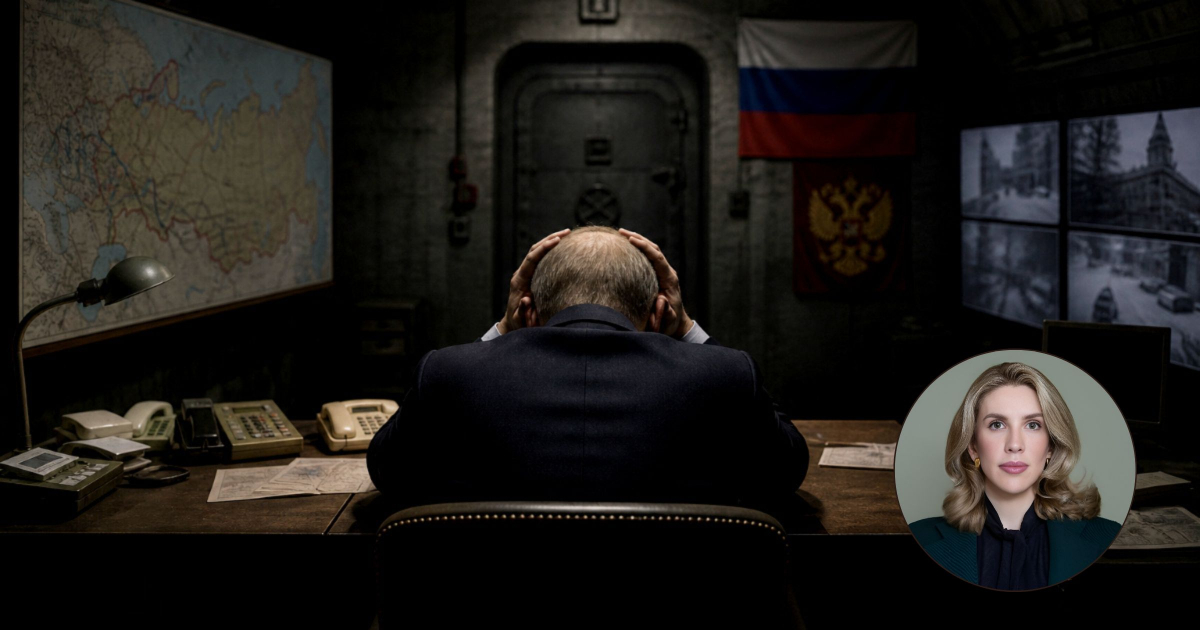
The question from Sciutto was framed within a European intelligence report leaked this Tuesday by the independent Russian outlet iStories and amplified by CNN and Financial Times, which reveals that the Kremlin has implemented unprecedented security measures around Putin since early March 2026, motivated by fears of a coup or assassination attempt.
Rudik, leader of the Golos party and member of the Ukrainian Supreme Rada, firmly justified his country's stance: "The amount of pain and suffering, the number of murders and children stolen that Putin, his circle, and Russia have inflicted on Ukraine grants us all the rights to retaliate, and that is what we are doing."
“When you start a war, committing all kinds of war crimes, you should expect that at some point that war will turn against you,” added the parliamentarian, in a statement that summarizes the official Ukrainian position in light of the Kremlin's increasing nervousness.
The intelligence report that prompted the interview outlines extraordinary measures adopted by the Russian Federal Protection Service: the installation of cameras in the homes of cooks, bodyguards, and photographers of the Kremlin, a ban on public transport for close staff, the exclusive use of phones without internet access, and double security checks for those meeting with Putin.
According to the same report, the Russian leader has stopped visiting his usual residences near Moscow and his estate in Valdai, and is spending increasing amounts of time in underground bunkers in the Krasnodar region of southern Russia.
In addition, the Kremlin is said to have resorted to pre-recorded images instead of live public appearances, and Putin has not made any visits to military facilities so far in 2026.
Among the incidents that may have catalyzed these measures is the assassination of Lieutenant General Fanil Sarvarov in Moscow on December 22, 2025, attributed to Ukrainian operatives, according to El País. The report indicates that Putin's fears do not solely stem from Ukraine but also from potential internal threats within the Russian elite.
In January 2026, Russia accused Ukraine of attacking Putin's presidential residence with 91 drones in the Novgorod region, an accusation that the CIA publicly denied.
Rudik also referred to the current diplomatic context: "That is why we are offering the ceasefire even before the military parade," alluding to the parade on May 9, Victory Day in Russia, a date of great significance for the Kremlin and a time of special vulnerability for Putin in terms of security.
The offer is part of the negotiations initiated by the Trump administration, which had a phone call with Putin in March 2026.
The parliamentarian concluded her speech with a direct warning: "We will continue doing this until Russia stops".
Filed under: