
Related videos:
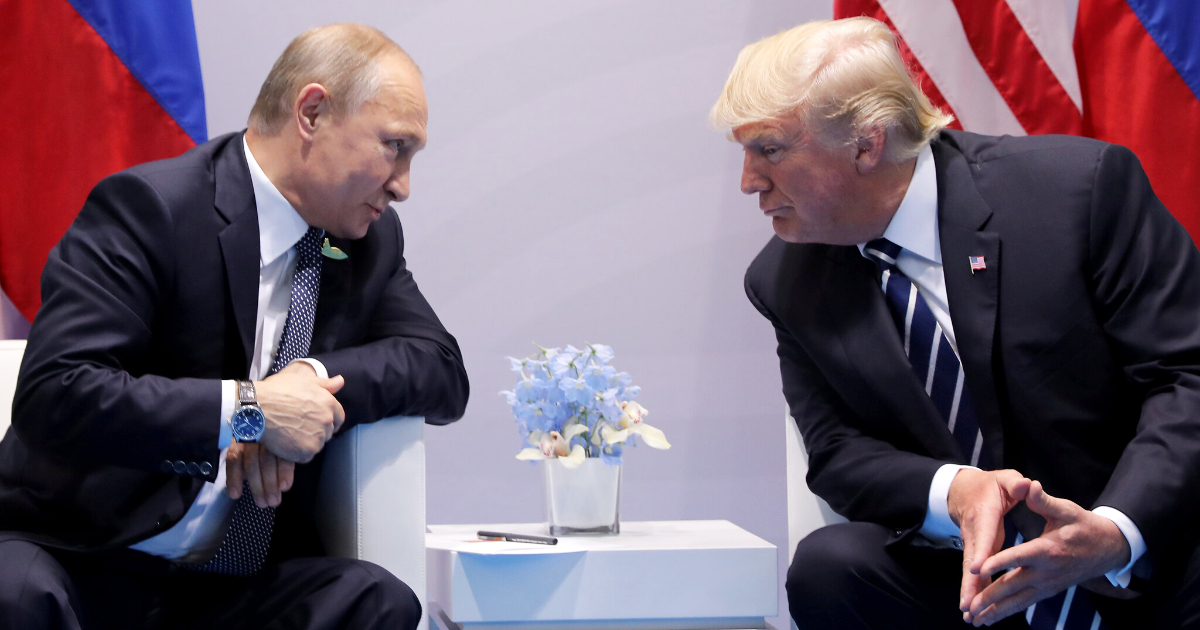
The presidents Donald Trump and Vladímir Putin held their first phone conversation of 2026 on Monday, during which they discussed critical issues affecting international stability, with particular focus on the conflicts in Iran and Venezuela.
According to the agency EFE, the conversation lasted about an hour and was "frank" and "constructive," according to Yuri Ushakov, advisor for international affairs to the Russian president.
The Russian president presented his U.S. counterpart with his proposals aimed—according to Ushakov's account—at achieving a quick resolution to the conflict with Iran.
Both leaders also discussed the situation in Ukraine and analyzed how events in Venezuela impact the global oil market, added Reuters.
The call comes at a particularly delicate moment in the Middle East.
The Assembly of Experts in Iran recently appointed Mojtaba Jamenei as the new supreme leader following the death of his father, Ali Jamenei, which occurred during the initial bombings by the United States and Israel against Iranian strategic facilities.
The Kremlin reaffirmed its support for Tehran.
"Russia has been and will continue to be a reliable partner of the Islamic Republic. I wish you success in the difficult tasks you face," said the congratulatory statement sent by Putin.
According to the Russian Presidency, Putin expressed his confidence that Mojtaba Jamenei will know how to "continue his father's work with honor" and unite the Iranian people "in the face of tough challenges."
For his part, Trump issued strong warnings about the new leadership, stating that it would need to gain the approval of the United States; otherwise, "it won't last long."
Finally, he described the election of Mojtaba Jameneí as the new supreme leader of Iran as a "serious mistake."
Mojtaba Jamenei, 56 years old and with significant influence within the Islamic Revolutionary Guard, was backed by the Iranian political and military leadership.
The Armed Forces declared their loyalty to the new leader and warned that they will respond firmly to any aggression coming from the United States or Israel.
The military escalation continues to rise, and international analysts warn that the selection of the new supreme leader could intensify regional tensions and impact oil prices, the security of the Strait of Hormuz, and the stability of global markets.
So far, there are more than 1,200 dead and over 10,000 injured, according to unverified official Iranian data.
In Venezuela, the energy and political situation of the country has become a topic of international concern, given its impact on crude oil supply and the geopolitical dynamics in Latin America.
The conversation underscores the intention of both leaders to coordinate positions on scenarios where their strategic interests overlap, with direct consequences in the Middle East and the American continent.
Filed under: