
Related videos:
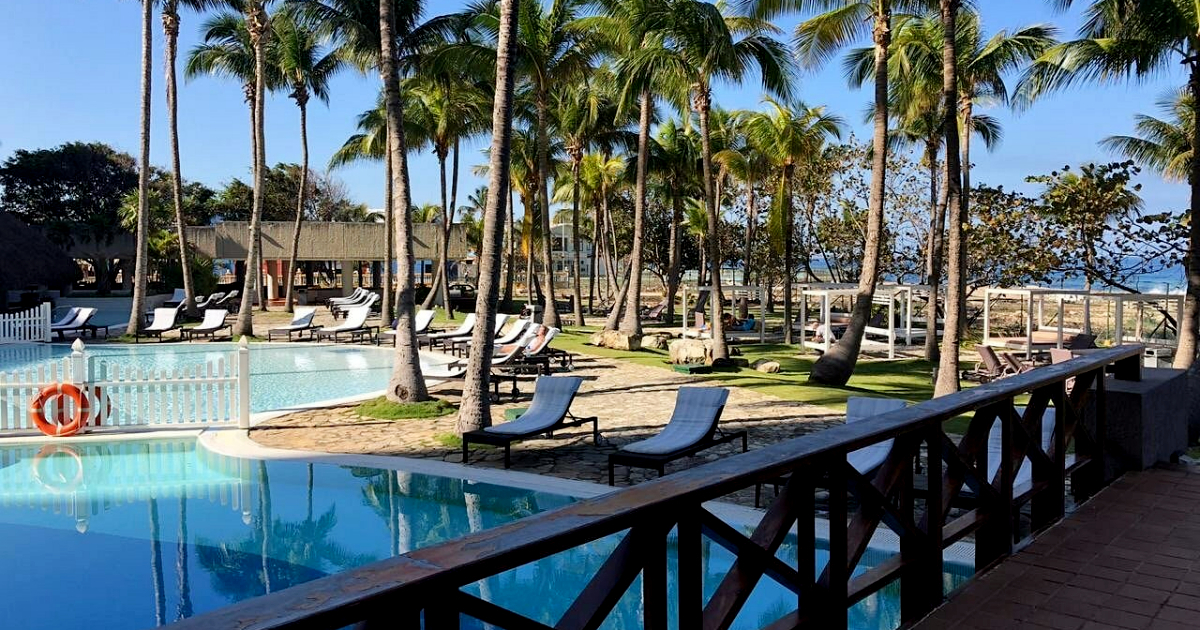
Meliá Hotels Cuba announced a flash sale on Monday for May 6, offering discounts of up to 30% at selected hotels on the island. This promotion is valid for stays until October 31, 2026, in a desperate effort to revive a plummeting tourism industry.
The promotion, published on the Facebook account of the chain, allows reservations from anywhere in the world through its website or mobile app, with immediate email confirmation and payment options including international cards, Classic card, or cash in dollars upon arrival at the hotel.
"Having a holiday with up to 30% off is already good, but if there are added benefits, it’s even better," the chain wrote in its post, adding perks such as early check-in and late check-out subject to availability, in addition to access to the MeliáRewards loyalty program.
Meliá is not the only one resorting to discounts. According to the specialized portal Excelencias Cuba, Gaviota and Cubatur have also launched similar offers for stays between May 22 and October 31, 2026, with rates starting at 45 dollars per night per person, plus one free child.
The promotions are a response to an unprecedented tourism crisis in Cuba. The first quarter of 2026 recorded only 298,057 international visitors, a 48% decrease compared to the same period in 2025, with an accumulated hotel occupancy rate of 21.5%, meaning more than eight out of every ten rooms are empty.
The immediate trigger was the shortage of Jet A-1 fuel, which led the regime to issue an alert in February regarding the lack of supply at nine international airports. The consequence was the cancellation of more than 1,700 flights and the suspension of operations of at least 11 airlines, including Air Canada, WestJet, Air Transat, Iberia, Air France, and Turkish Airlines.
In the face of the collapse, the regime implemented a strategy of "tourism consolidation," closing hotels with low occupancy rates. Gaviota closed 20 hotels in Cayo Santa María, leaving more than 7,000 workers unemployed, while only 13 hotels were operating in total in Havana and Varadero.
The year 2025 had already closed with 1.81 million visitors, the worst hotel occupancy record since 2002, with a rate of 18.9%. Since 2018, when Cuba received 4.7 million tourists, the sector has declined by 62%.
International chains themselves are feeling the impact. Meliá Hotels International reported losses of about five million euros in management fees in Cuba during the first quarter of 2025, making the island the only negative region for the company. Its shares plummeted by 8.5% in February 2026 following the announcement of the fuel crisis, wiping out approximately 130 million euros in market capitalization.
However, the specialized media itself warns that discounts alone do not guarantee recovery. "The effectiveness of discounts depends on external factors that are beyond the control of the hotel sector. Limited air connectivity, flight costs, and financial restrictions directly influence travel decisions," stated Excelencias Cuba.
Filed under: