
Related videos:
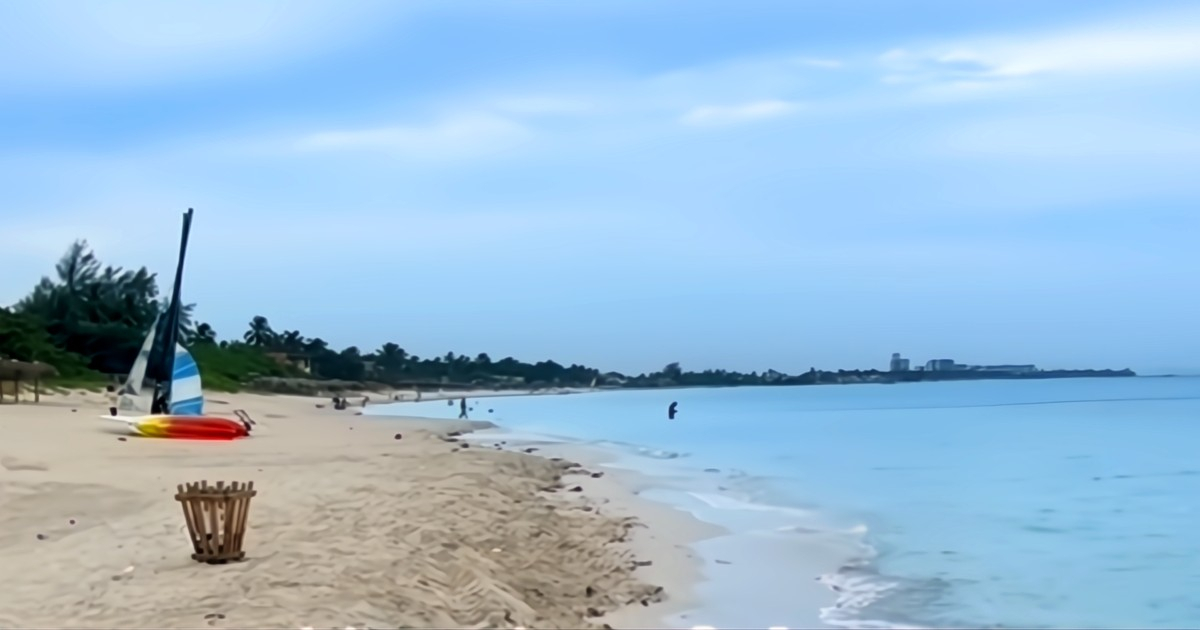
Tourism in Cuba has plummeted to historic lows due to the oil blockade imposed by the Trump administration, leaving around 300,000 people in the sector unemployed, without income, and lacking access to basic food, according to a report published this Sunday by the British newspaper The Guardian, from Havana.
In March 2026, the island received only 35,561 visitors in total, according to the National Office of Statistics and Information (ONEI), the majority of whom were Cuban emigrants visiting family.
Jim Hepple from the consulting firm Tourism Analytics, based in Aruba, specified the extent of the collapse: "One could argue that the number of leisure tourists would be between 20,000 and 25,000, whereas in March 2025, the figure would have ranged from 170,000 to 180,000."
That decline contrasts with the historic peak of nearly five million visitors who arrived in Cuba in 2018, when tourism was one of the main sources of income for the regime.
The oil blockade, a direct consequence of Nicolás Maduro's capture on January 3, 2026, deprived airlines of fuel to refuel on the island. Tour operators from Canada, Spain, and Russia withdrew, along with numerous regular airlines. When the last planes flew in February, returning tourists described hotel employees crying as they were laid off.
The situation of those who lost their jobs is desperate. A former hotel waiter was found chopping wood near the shrine of the Virgin of Charity of Copper. He shook his head and asked, “What breakfast? What lunch?” the British outlet reports.
The regime, unable to provide real solutions, proposed relocating workers from the tourism sector to garbage collection or agricultural tasks, which sparked outrage among professionals with university degrees.
Last Friday, Donald Trump expanded sanctions against the island, targeting foreign companies doing business with Havana, and threatened to deploy the aircraft carrier USS Abraham Lincoln "a hundred yards off the coast." The day before, he had signed a new executive order freezing all assets linked to the Cuban regime in the United States, including the assets of GAESA, the military conglomerate that controls between 40% and 70% of the island's formal economy.
During the last two weeks, U.S. surveillance planes have been flying over the island, reminiscent of what happened in Venezuela before the capture of Maduro. Trump has repeatedly hinted that Cuba would be his next target.
Despite the collapse, a small group of visitors continues to arrive. A group of German tourists was exploring a market in the Havana neighborhood of El Vedado. "We booked a long time ago. We've worked hard all year and wanted our vacation. So far, everything is going well. We trust in God," said Nicole, executive director of a social enterprise in Trier.
Some industry players are trying to maintain optimism. Katya Bleszynska, co-author of the Lonely Planet guide to Cuba, stated: "I believe it's a fantastic time to visit. There are very good local businesses and private hotels that truly want to welcome their guests. Just make sure to plan and adjust your expectations."
Others are more cautious. Alissa Scheer, a German content creator who promotes Havana's nightlife, acknowledged: "When I arrived, I loved the spontaneity. You could run into a friend and party all night long. That still exists, but much less."
Meanwhile, the humanitarian impact of the crisis goes far beyond tourism. More than 55% of the territory experiences blackouts of up to 25 hours a day, 96,000 Cubans are waiting for surgery, and one million people rely on tanker trucks for potable water.
In parallel to the collapse of conventional tourism, the regime has bet on what is called ideological tourism, receiving in March a convoy of 650 activists from 33 countries and, on April 26, a second group from Italy, while Cuban workers continue to be uncertain about what they will eat tomorrow.
Filed under: