
Related videos:
The Cimex S.A. Corporation published an official alert on its social media warning about two fake accounts impersonating Cimex Mariel S.A. to fraudulently promote the import and wholesale sale of fuel and iso tanks.
According to the corporation, the fraudulent pages use the logos and visual identity of Cimex Mariel to deceive users, and have spread their promotions in buy-sell groups on Facebook, Instagram, and Telegram, "offering contacts for communication".
One of the detected fake profiles, identified by the name "Cimex Mariel," had just 16 followers and six posts at the time it was reported.
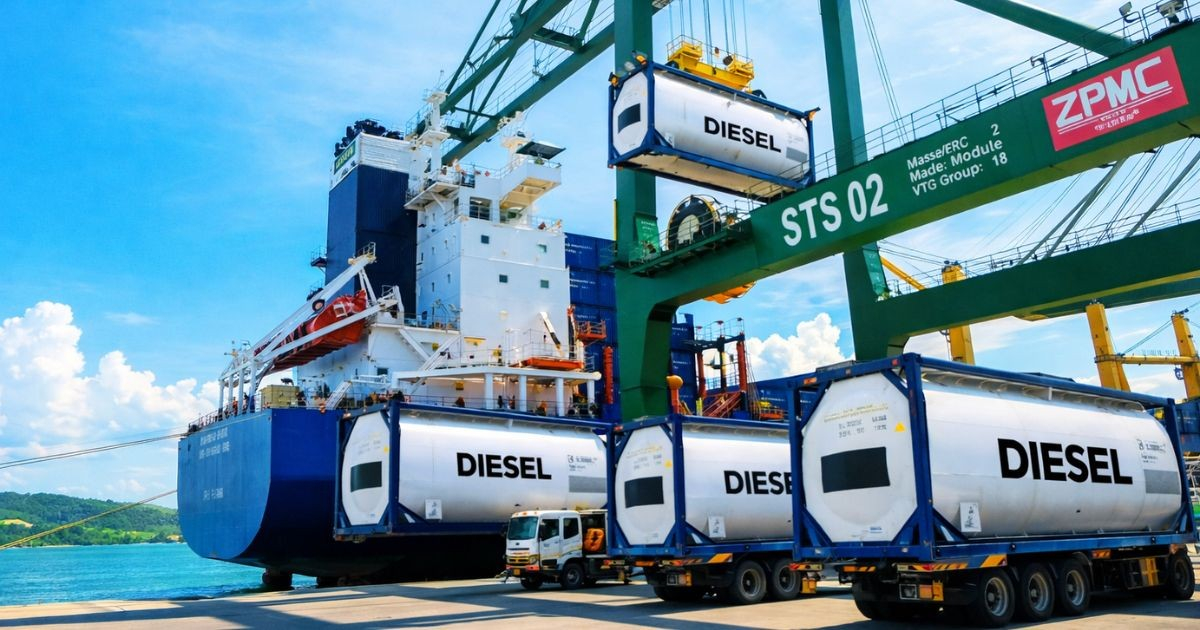
On April 14, that profile posted the message: “The moment we have been waiting for has arrived! It is now official: the import of fuel has been approved...”, accompanied by images of ports and containers to create an appearance of legitimacy.
In its official clarification, the company was categorical: “Cimex Mariel S.A. does not import or wholesale sell isotanks. Any dealings or messages regarding this issue are false.”
The alert also noted the phone number +53 63945474 as being linked to a possible scam.
The corporation urged users to report the accounts to the relevant social media platforms and to share the message, reminding them that only their official accounts are a reliable source of information.
This scam occurs in the context of an unprecedented fuel crisis in Cuba, which since January 2026 has left Cubans waiting up to 15 hours in line to purchase just 20 liters of gasoline.
In the informal market, gasoline in Havana has reached 4,000 Cuban pesos per liter —about eight dollars— making any offer of fuel at seemingly affordable prices a particularly dangerous trap for a desperate population.
It is not the first time that scammers have taken advantage of this energy crisis. In March 2026, FINCIMEX warned about a similar scam that used its name to offer home delivery gasoline at three dollars per liter anywhere in Cuba, and clarified that the company "does not sell any goods or services other than those of a financial nature."
In December 2025, Cimex and FINCIMEX had already warned about phishing scams in which cybercriminals impersonated their identities to obtain users' banking and personal information.
A fake application was also detected that impersonated the official Ticket platform to simulate the sale of fuel from abroad, requesting payments in foreign currency.
The pattern of digital fraud in Cuba shows an upward trend. A survey conducted in Las Tunas in April 2026 revealed that 84% of participants acknowledged knowing someone who had been scammed or having experienced it themselves.
While the energy crisis continues with no solution in sight, the informal fuel market keeps skyrocketing, along with it creating a fertile ground for those looking to take advantage of the needs of millions of Cubans.
Filed under: