
Related videos:
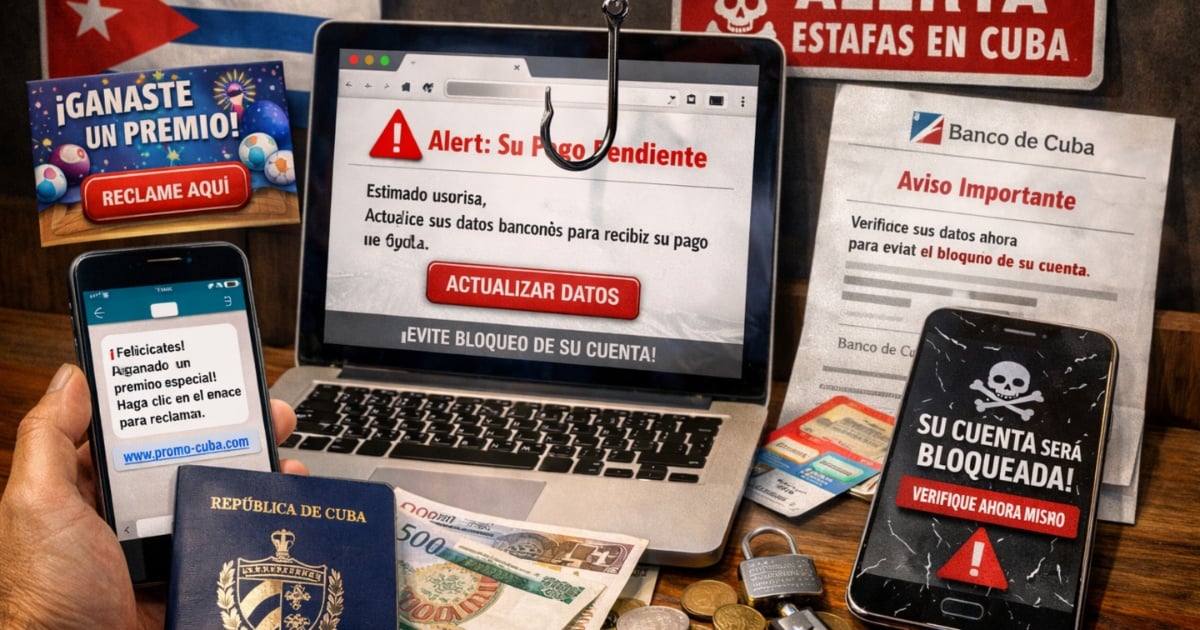
The state corporation CIMEX and FINCIMEX S.A warned Cubans in recent days about electronic scams impersonating the identities of both companies.
This type of scam is known worldwide as phishing, a series of fraudulent practices involving the sending of an email by a cybercriminal to a user, pretending to be a legitimate entity.
In this case, the scammers operate through "unofficial sites and personal profiles that operate from digital platforms, using the corporate identity of both companies."
"In recent days, the institutional profiles have been warning customers about possible fraudulent actions regarding the marketing of products," the information specifies
"Starting from tempting offers on these 'sites', consumers have been drawn to make purchases through balance transfers. Account holders have provided banking and personal information that constitutes protection for legitimate transactions, creating the possibility of identity theft and access to their funds," warns Cimex.
This is why the Risk and Fraud Prevention Specialist at Fincimex, Lic. Ynaid Amor, urged clients not to provide "identity card information, card numbers, or purchase receipt details; these are the keys that protect clients' accounts."
"This information should not be shared with unknown individuals," he warned.
"When receiving a message or email requesting personal or financial information, the customer must ensure that it comes from a reliable source and only use recognized and secure payment platforms. Any suspicious behavior should be reported immediately to the appropriate authorities: report it to the PNR and notify the Fincimex entity in each territory," he explained
On his part, Esteban Martin Gonzalez, Sales Director of CIMEX, stated "that all promotions, price reductions, or other additional incentives for purchases are conducted in person at commercial establishments, without prior payment or request for information."
Filed under: