
Related videos:
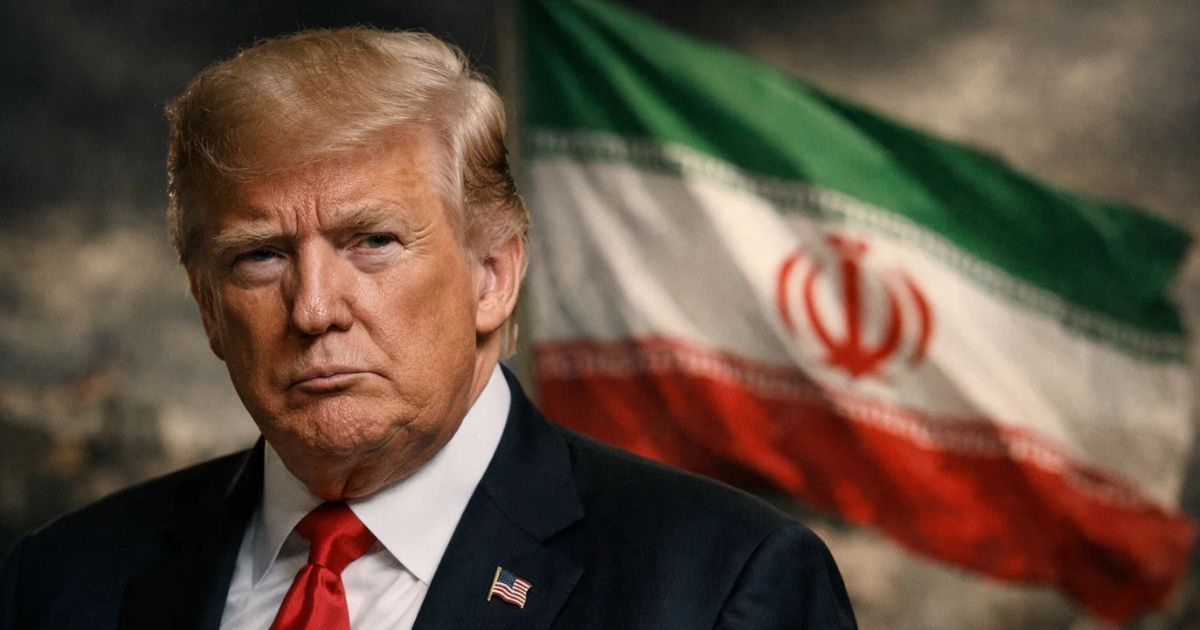
President Donald Trump declared this Wednesday that the United States and Iran have had "very good" conversations in the last 44 hours and that he considers it "very possible" to reach an agreement to end the armed conflict between the two countries.
"We have had very good conversations in the last 44 hours. And it is very possible that we will reach a deal," stated Trump, who emphasized that Washington's non-negotiable condition is that Iran cannot possess nuclear weapons.
The leader described the Iranian military as devastated: "They had a navy with 159 ships, and now every ship is in pieces at the bottom of the water. They had an air force, many planes, and they no longer have any aircraft. They have no anti-aircraft systems. They are left with hardly any radar. Most of their missiles are destroyed," he pointed out, specifying that Tehran retains only between 18% and 19% of its original missile arsenal.
Trump also warned that if Iran does not accept the agreement, bombardments will resume with greater intensity: "If they do not agree, the bombardments will begin and will, unfortunately, be at a much higher level and intensity than before," he wrote on Truth Social.
In the center of the negotiations is a one-page memorandum of understanding with 14 points that would include a moratorium on Iranian uranium enrichment, the lifting of U.S. sanctions, the release of frozen funds, and the opening of the Strait of Hormuz.
The main gap remains the duration of that moratorium: Washington is demanding 20 years, Tehran has offered five, and sources suggest a potential point of agreement between 12 and 15 years.
Iran is evaluating the U.S. proposal and will convey its position to Pakistan— the exclusive mediator between the parties— once it completes its internal review, as confirmed by the spokesperson for the Iranian Ministry of Foreign Affairs, Ismail Bagaei: “The U.S. proposal is being evaluated by Iran, and once the review is completed, Iran will communicate its views to the Pakistani side.”
The Secretary of State Marco Rubio announced that combat operations have concluded, although the naval blockade imposed on April 13 remains active. This blockade has intercepted about 50 Iranian vessels and causes daily losses to Iran ranging from 435 to 500 million dollars.
The conflict erupted on February 28, 2026, with Operation Epic Fury, launched by the U.S. and Israel, which destroyed Iranian nuclear facilities in Natanz, Isfahan, and Fordow. In retaliation, Iran closed the Strait of Hormuz on March 4, stranding nearly 2,000 ships and driving the price of Brent crude oil from $67 to over $126 per barrel. The price of gasoline in the U.S. surged by 50%, reaching $4.48 per gallon.
A Pakistani source quoted by Reuters summarized the current state of negotiations this way: "We will close it very soon. We are close." Washington expects to receive Iran's response within the next 48 hours.
Filed under: