
Related videos:
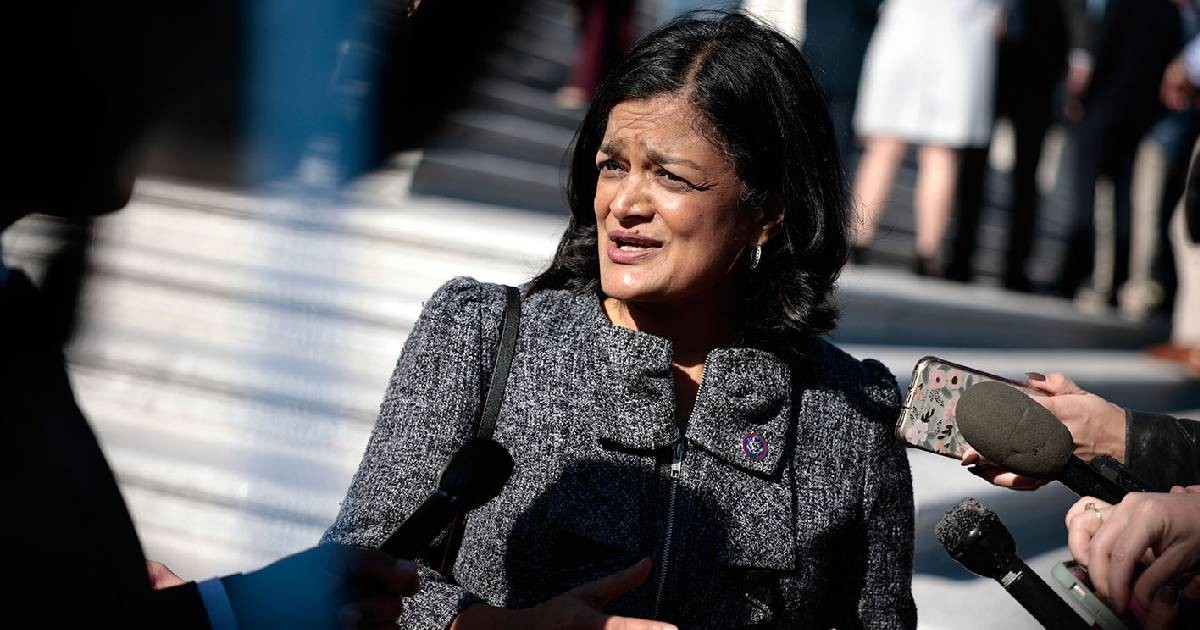
The Democratic congresswoman Pramila Jayapal (Washington) publicly admitted to contacting foreign ambassadors, including the one from Mexico, to explore avenues for supplying oil to Cuba despite the existing sanctions imposed by the Trump administration, according to revealed by Fox News.
The revelation sparked a fierce controversy in the United States, with conservative commentators launching accusations of treason and pointing to possible violations of the Logan Act of 1799, which prohibits private citizens from negotiating with foreign governments in disputes with Washington, although it has never resulted in convictions since its enactment.
Jayapal explained that she kept in touch with the ambassadors following the official visit she made with Congressman Jonathan Jackson (Illinois) to Cuba from April 1 to April 6, 2026. "We stayed in contact with some of those ambassadors.
The ambassadors of Mexico and Brazil were also present. There were two African ambassadors, and it was an incredibly important conversation because I believe people do not realize that this is not just about the United States and Cuba. The entire Latin American region is affected," the legislator stated.
That trip marked the first visit of U.S. lawmakers to the island in 2026 and the first meeting with President Miguel Díaz-Canel since September 2018, when Díaz-Canel hosted the congressmen in Havana.
After the visit, Jayapal and Jackson described Trump's energy sanctions as a "cruel collective punishment" and an "economic bombardment" of Cuba's infrastructure, successfully getting 52 Democratic representatives to sign a letter to the president and Secretary of State Marco Rubio demanding an end to the fuel restrictions.
The controversy is set against the backdrop of the maximum pressure policy of the Trump administration, which has imposed more than 240 sanctions against Cuba since January 2025.
The hardest blow came with Executive Order 14380, signed on January 29, 2026, which declared Cuba an extraordinary threat and imposed tariffs on any country that supplies it with oil.
As a result, Mexico —which accounted for 44% of Cuban imports with 17,200 barrels per day— suspended its shipments on January 9, 2026. Venezuela, which provided the remaining 80% to 90% with between 26,000 and 35,000 barrels daily, cut off its supply following the capture of Nicolás Maduro on January 3, 2026, leaving the island in a recent unprecedented energy crisis.
The Republican Congresswoman Nicole Malliotakis (New York) described Jayapal's trip to Cuba as "reckless" and accused the Democratic legislators of being "communist sympathizers." Meanwhile, Cuban-American Congress members Carlos Giménez and María Elvira Salazar also harshly criticized the visit, accusing the Democrats of legitimizing the Díaz-Canel regime.
The trip and its aftermath had already sparked a heated exchange of words among legislators from both parties, and Jayapal's new admission regarding her dealings with foreign ambassadors promises to further escalate the debate in Congress over the limits of legislative action in foreign policy.
On April 24, Jayapal released a video in which she claimed that Cuba has an "advanced healthcare system" and advocated for lifting the embargo and implementing a universal healthcare system in the United States, statements that reignited criticism from Republican lawmakers and the Cuban-American community.
Filed under: