
Related videos:
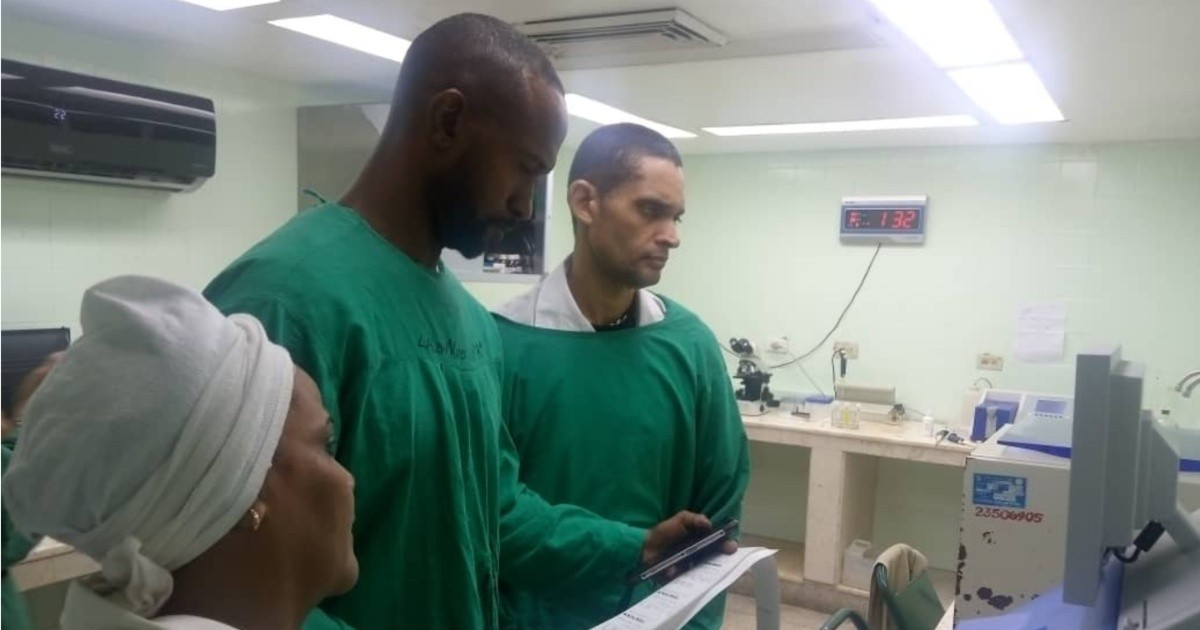
An international funding of approximately 17,000 dollars rescued two gasometers in Santiago de Cuba that were about to become useless due to a lack of supplies, according to announced this Friday by Mark Kuster, founder of the Swiss NGO Camaquito, in a social media post.
The equipment, originally acquired as part of a joint project between Camaquito and the Embassy of Japan, allows for vital diagnostics to be performed in just a few minutes for newborns, patients in intensive care, individuals with severe respiratory issues, infections, and other medical emergencies.
The problem was not the operation of the devices, but the lack of the necessary consumables to operate them. “But without the required consumables, even equipment that functions perfectly becomes unusable. That was exactly the situation that was now at risk,” Kuster explained.
The secured funding will cover the supply of materials for both teams for a full year and will allow for essential diagnostic analyses for approximately 13,700 patients.
Kuster described the process as long and complex: "After many conversations, clarifications, and challenges, we have succeeded: the funding is secured, and we have also received authorization from the competent authorities in Santiago de Cuba to carry out this important support."
The situation illustrates a recurring paradox in the Cuban healthcare system on the verge of collapse: modern equipment donated by international cooperation that remains idle due to the regime's inability to ensure basic supplies.
The Juan Bruno Zayas Clinical Surgical Hospital and the Dr. Juan de la Cruz Martínez Maceira Children's Hospital, both in Santiago de Cuba, are the benefited centers. The Juan Bruno Zayas was reported in January 2026 for having sewage running under the patients' beds, and the Saturnino Lora Hospital in the same city suffered a power outage in its ICU that forced the evacuation of 12 patients last April.
The health crisis in Cuba is structural. The Minister of Public Health himself acknowledged before the National Assembly that infant mortality doubled between 2016 and 2025, and that only 30% of the essential medicine supply was available. Cuban hospitals are operating under wartime conditions with power outages of up to twenty hours a day and widespread shortages of supplies.
Kuster, who also managed $50,000 to repair homes damaged by Hurricane Melissa in Santiago de Cuba, was emphatic about separating his humanitarian work from any political stance: "This support is not a political act. It is an act of humanity. Health should never depend on political positions."
Camaquito has been operating in Cuba for over 25 years and has raised more than four million euros for health, education, culture, and social inclusion projects in Camagüey and Santiago de Cuba. The Director-General of the World Health Organization described the Cuban health situation as "deeply concerning" last March due to power outages and the lack of fuel affecting hospitals.
"It’s not just about technology or materials. It’s about human lives. About children. About families. About hope," concluded Kuster.
Filed under: