
Related videos:
Hantavirus is present in Florida, although the risk to the general population is low.
The main rodent carrier in the state is the hispid cotton rat (Sigmodon hispidus), which carries a native strain called the Black Creek Canal virus, as confirmed by the Florida Department of Health.
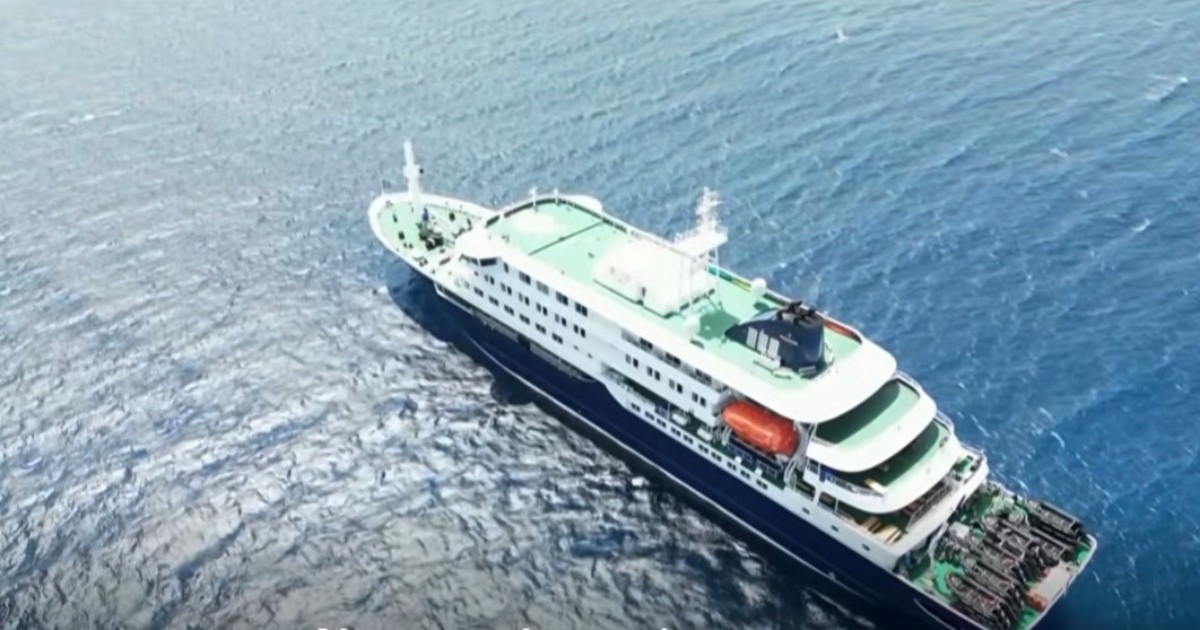
Interest in the topic surged following the active outbreak on the MV Hondius cruise ship, which has resulted in three deaths and at least six confirmed cases, all of the Andes virus strain, according to the World Health Organization.
Not all rodents pose the same danger
In Florida, several species of rodents coexist, but not all transmit the virus with the same likelihood.
The house mouse (Mus musculus), the most common in homes and buildings, usually does not carry hantavirus.
The deer mouse (Peromyscus maniculatus), the main vector in the western United States, is also not common in the state.
The hispid cotton rat is the species of greatest concern: it inhabits fields, dense vegetation, attics, and sheds, and has been identified as a carrier of the Black Creek Canal virus.
The Centers for Disease Control and Prevention (CDC) recorded only three human cases of hantavirus in Florida between 1993 and 2023, including one in Dade County in 1993.
How is it transmitted and what symptoms does it cause?
The virus is primarily transmitted through inhalation of aerosols from the urine, feces, or saliva of infected rodents, especially when cleaning enclosed spaces with poor ventilation.
The initial symptoms include fever, fatigue, muscle pain in the thighs, back, and hips, chills, nausea, vomiting, and abdominal pain.
In severe cases, the disease progresses to hantavirus pulmonary syndrome, a serious respiratory condition with a mortality rate of 38% among those who develop respiratory symptoms, according to the CDC.
There is no specific treatment: patients receive supportive care, including mechanical ventilation in the most critical cases.
The outbreak on the cruise ship MV Hondius
The renewed interest in hantavirus in Florida and across the country is due to the outbreak recorded aboard the MV Hondius, a Dutch-flagged cruise ship operated by Oceanwide Expeditions, which set sail from Ushuaia, Argentina, on April 1, 2026.
The three deceased individuals are a Dutch couple and a German woman.
On board were approximately 90 passengers and 60 crew members from 23 countries, including 17 Americans, who will be evacuated to Offutt Air Force Base in Omaha, Nebraska, and transferred to the National Quarantine Center at the University of Nebraska.
Five states - Georgia, Texas, Virginia, Arizona, and California - are monitoring passengers who disembarked earlier before the first diagnoses for 42 days, the maximum incubation period of the Andes virus.
The ship will arrive this Sunday in Tenerife, in the Canary Islands, without docking, to evacuate the passengers by boat.
The Andes strain is the only variant of hantavirus with limited ability for person-to-person transmission, which explains the spread within the cruise ship.
International health authorities have ruled out the possibility of the outbreak leading to an epidemic.
The WHO was very clear about this: “This is not coronavirus; it is a very different virus. This is not the same situation we were in six years ago.”
For those residing in Florida, authorities recommend not handling rodents, ventilating closed spaces before cleaning them, using gloves and a HEPA filter mask, and contacting professionals for pest control if rat activity is detected in the home.
Filed under: