
Related videos:
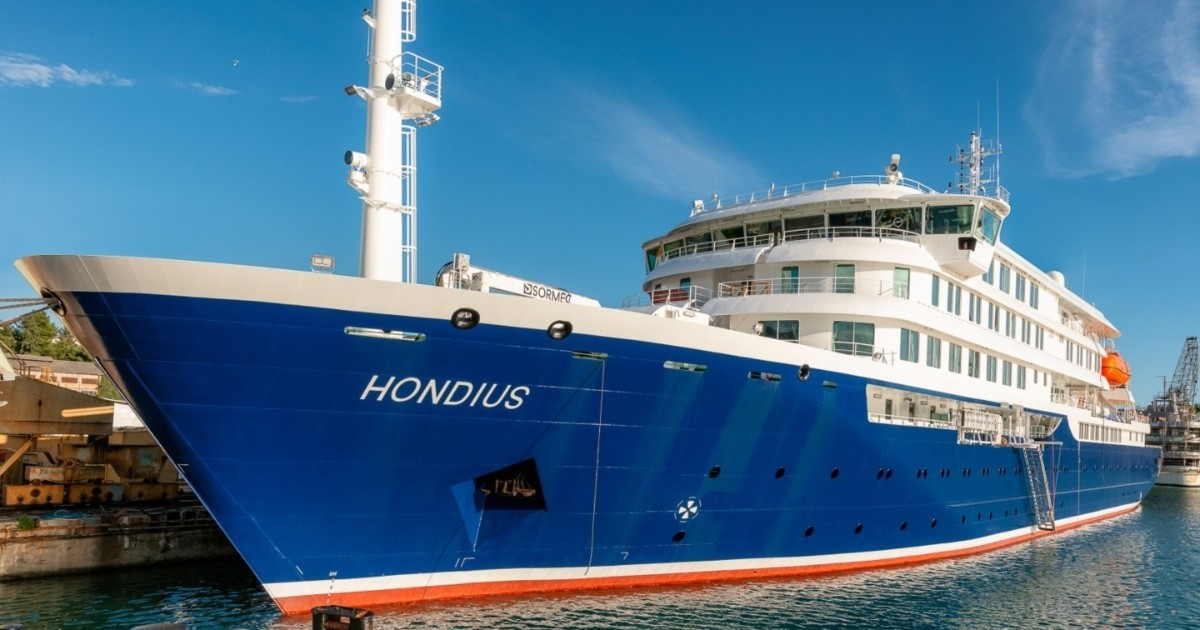
The outbreak of hantavirus aboard the expedition cruise MV Hondius has killed three people and infected at least eight, raising comparisons with COVID-19 and questions about whether the world could face a new pandemic.
However, despite the logical concern, all consulted experts agree that the risk of mass spread is extremely low.
"While this is a serious incident, the WHO assesses the risk to public health as low," stated Dr. Tedros Adhanom Ghebreyesus, Director-General of the World Health Organization, at a press conference.
Hantavirus is a rare but dangerous virus that is transmitted by rodents.
The infected ship, operated by Oceanwide Expeditions, set sail from Argentina on April 1 with 88 passengers and 59 crew members, on a 46-day itinerary with stops in Antarctica and several remote islands of the South Atlantic.
As of May 8, the outbreak had recorded a total of eight cases, six confirmed by PCR as Andes virus and two probable. The Andes is the only one among more than 20 known strains of hantavirus with documented human-to-human transmission, although only through close and prolonged contact.
"The risk to the general population is low. This is not a virus that spreads like the flu or COVID; it is quite different," explained Dr. Maria Van Kerkhove, director of the WHO's Health Emergencies Program, to TODAY.com.
The expert noted that the initial hypothesis is that the passengers were infected before boarding, on Argentine soil, where the virus is endemic: "Our assumption is that the individuals were infected outside the ship and then joined the cruise."
However, the WHO also considers it likely that there was some transmission between people on board, especially among couples sharing a cabin.
Kari Moore Debbink, a professor of Molecular Microbiology and Immunology at Johns Hopkins Bloomberg School of Public Health, emphasized that "historically with the Andes virus, it has spread among people in close proximity, so the risk of it being transmitted more widely is quite low."
In 30 years, approximately 25 cases of person-to-person transmission of the Andes virus have been documented, all in localized outbreaks among close contacts or healthcare workers.
In an open letter to the residents of Tenerife, Dr. Tedros was emphatic: "But I need you to hear me clearly: this is not another COVID."
The Centers for Disease Control and Prevention (CDC) in the United States also issued a reassuring message: "At this time, the risk to the American public is extremely low."
Meanwhile, the MV Hondius, which was denied entry by Cabo Verde on May 5, is heading to the Canary Islands, where it is expected to dock in the coming days with a strict protocol: sealed cars, cordoned-off corridor, and direct repatriation to the countries of origin.
Georgia, Arizona, California, Texas, and Virginia confirmed that they are monitoring residents who were on board; none showed symptoms as of May 8.
There is no approved specific antiviral treatment or vaccine for hantavirus, and the WHO recommended that passengers and crew monitor for symptoms for 45 days after the trip.
The virus is primarily transmitted through the inhalation of aerosols from the urine, feces, or saliva of infected rodents, especially when cleaning poorly ventilated enclosed spaces.
The initial symptoms include fever, fatigue, muscle aches in the thighs, back, and hips, chills, nausea, vomiting, and abdominal pain.
In severe cases, the disease progresses to hantavirus pulmonary syndrome, a severe respiratory condition with a mortality rate of 38% among those who develop respiratory symptoms, according to the CDC.
Filed under: