
Related videos:
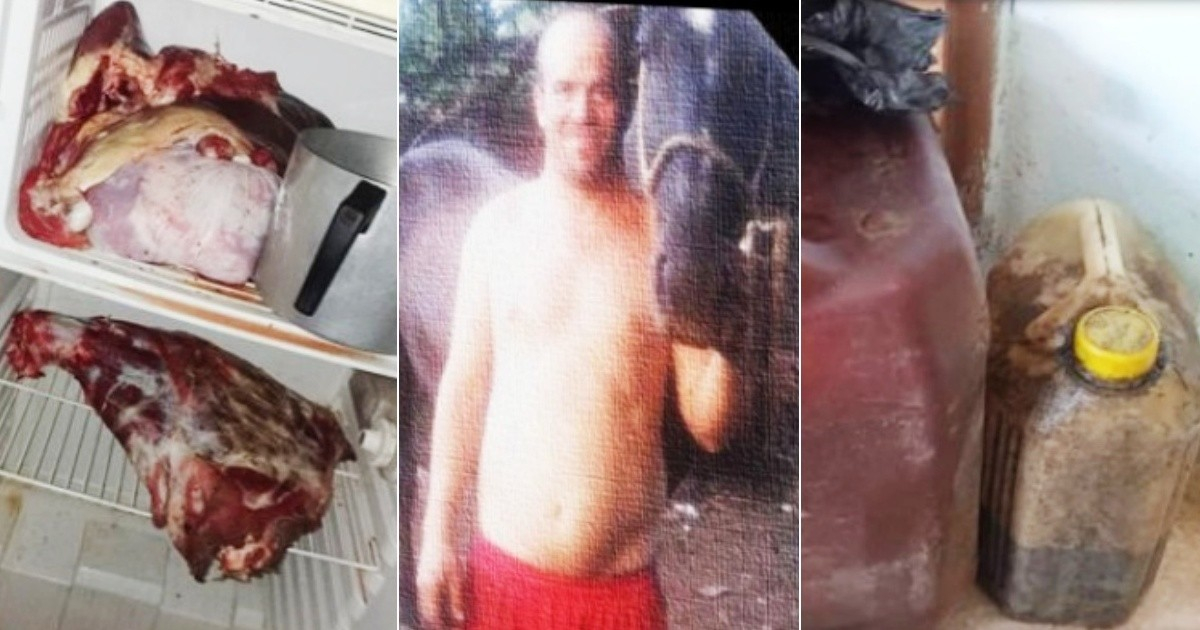
A Cuban identified as Osiel Pedro Díaz Cortegasa was arrested after authorities found items at his home that matched those stolen in a robbery that occurred days earlier in the municipality of Pedro Betancourt, in the province of Matanzas.
The arrest took place at Díaz Cotegasa's home, in Finca Flora, Güira de Macurijes popular council, according to the official Facebook profile "Con Todos La Victoria", associated with the Revolutionary National Police of Matanzas.
The finding that uncovered the case
When authorities arrived at Finca Flora, they found three elements that caught the investigators' attention: a homemade grinder, 33 pounds of meat, and 35 liters of oil.
According to the official publication, “this operation managed to unravel a forceful robbery that occurred in the area at the farm known as La Torre, which had been under investigation for days, and among the stolen items were several goods that matched those found.”
The profile concluded with its usual triumphant tone: "What seemed like an isolated discovery ended up opening the door to a broader plot of rural thefts, with meat, oil, and windmills as the main players. Now Justice will speak louder."
Pedro Betancourt is an agricultural municipality located in the southwest center of Matanzas, historically linked to sugar cane and today regarded as one of the most impoverished areas of the province following the closure of its sugar mills.
The Güira de Macurijes popular council is part of that rural reality where the theft and slaughter of livestock are out of control, driven by the economic and food crisis that Cuba is experiencing.
In Matanzas, a Cuban was arrested in Perico on April 29 accused of stealing and illegally sacrificing a calf, and in March, seven masked men armed with weapons assaulted a cooperative in Colón, stealing nine cattle.
Meat and fuel, symptoms of a larger crisis
In recent years, cattle theft has surged in Cuba. Additionally, the national cattle herd declined from 3.8 million heads in 2019 to 2.9 million at the beginning of 2025, a reduction of 24%, while pork production plummeted by 93.2%, turning the black market into the main source of protein for many families.
The 35 liters of oil found at Osiel's house reflect another expanding trend: the price of fuel on the black market reached between 4,000 and 5,000 Cuban pesos per liter in March 2026.
The Ministry of the Interior recovered 350,000 liters of stolen fuel just between January and August of 2025.
Severe penalties that do not curb the phenomenon
The current Cuban Penal Code, in effect since April 2022, establishes penalties of three to eight years for the illegal slaughter of cattle, and up to 15 or 20 years with aggravating factors.
In 2024, 1,615 individuals were sanctioned for illegal slaughter and meat trafficking, with 78% receiving sentences of up to 15 years in prison.
However, the phenomenon does not let up. A new method detected in January 2025 involves the "kidnapping" of animals, with ransoms reaching up to 30,000 pesos for a pig.
Filed under: