
Related videos:
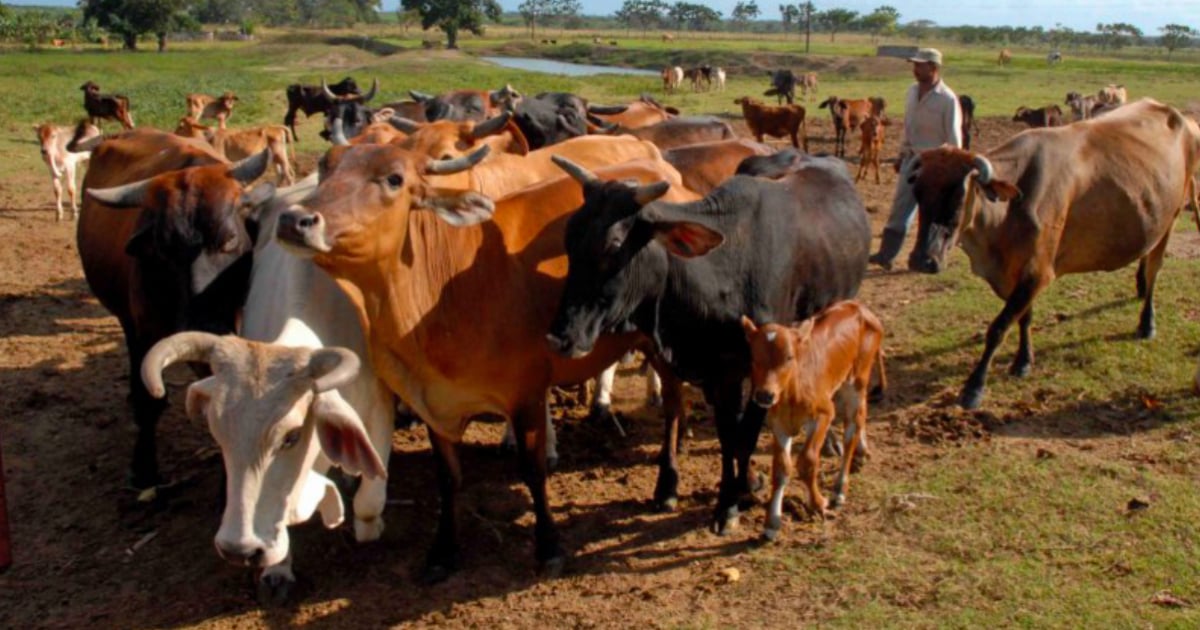
Cuban farmers reported that the theft and slaughter of livestock continue to be rampant in the fields of the island, severely impacting the agricultural economy and food security.
Despite the efforts announced by the regime, cattle ranchers and farmers report that the theft of livestock and its subsequent illegal sale of meat has become an almost impune practice, especially in provinces with high cattle activity such as Camagüey, Sancti Spíritus, Villa Clara, and Ciego de Ávila, cited the state-run media Cubadebate.
"Every week, animals go missing; sometimes only the remains are found. The authorities come, take note, but nothing changes," said a producer from the central region who preferred to remain anonymous for fear of reprisals.
The statements arise in the context of the Third National Exercise for the prevention and confrontation of crime, corruption, drugs, and illegal activities, which the regime has been conducting since Monday under the direction of leader Miguel Díaz-Canel, with the participation of senior leaders from the Communist Party, the Government, and the Ministry of the Interior (MININT).
The initiative aims to "increase control and prevention actions" and ensure a "calm and orderly summer," they stated.
However, the reality in the agricultural sector shows that livestock theft, far from decreasing, has intensified amid the economic crisis and food shortages.
According to unofficial data, hundreds of cases of illegal cattle slaughter have been reported in just the first half of 2025, although official figures are not disclosed.
Producers indicate that the surveillance is insufficient and that the rural detachments created to protect the farms lack resources and support.
Meanwhile, illegally obtained meat continues to fuel the black market in urban areas, where the prices of legally sourced beef are prohibitive for most of the population.
Although the government has outlined an action plan that includes patrols in neighborhoods, the reactivation of the cederista surveillance detachments, and rural patrols, the consulted livestock producers warn that the announced measures have little impact if the lack of supplies, feed for livestock, fuel, and especially if organized networks engaged in illegal slaughter and clandestine marketing are not punished as an example, is not addressed.
Frequently Asked Questions about Livestock Theft and Sacrifice in Cuba
What is the current situation regarding the theft and slaughter of livestock in Cuba?
The theft and sacrifice of cattle in Cuba is out of control, seriously affecting the agricultural economy and food security. Despite the efforts announced by the regime, this practice remains almost unpunished, especially in provinces with high livestock activity such as Camagüey, Sancti Spíritus, Villa Clara, and Ciego de Ávila.
What measures has the Cuban government taken to address the problem of cattle theft?
The government has launched the Third National Exercise for crime prevention and confrontation, which includes control and prevention actions to ensure a "calm and orderly summer." However, livestock farmers warn that these measures have little impact due to a lack of resources and the insufficient punishment of organized networks dedicated to illegal slaughter and clandestine marketing.
Why is cattle theft a recurring problem in Cuba?
The theft of cattle in Cuba is a recurring problem due to the economic crisis and food shortages. The regime's inability to ensure the supply of food at affordable prices has led many to resort to the black market. Illegally obtained beef remains an option for those who cannot afford the high prices of legal meat.
How does this situation affect Cuban ranchers?
Cuban ranchers are facing an extremely vulnerable situation due to the constant theft of cattle and the lack of government support. Surveillance is inadequate and resources are limited, leaving producers without effective protection. Furthermore, the black market fueled by stolen meat affects their income and the sustainability of their farms.
Filed under: