
Related videos:
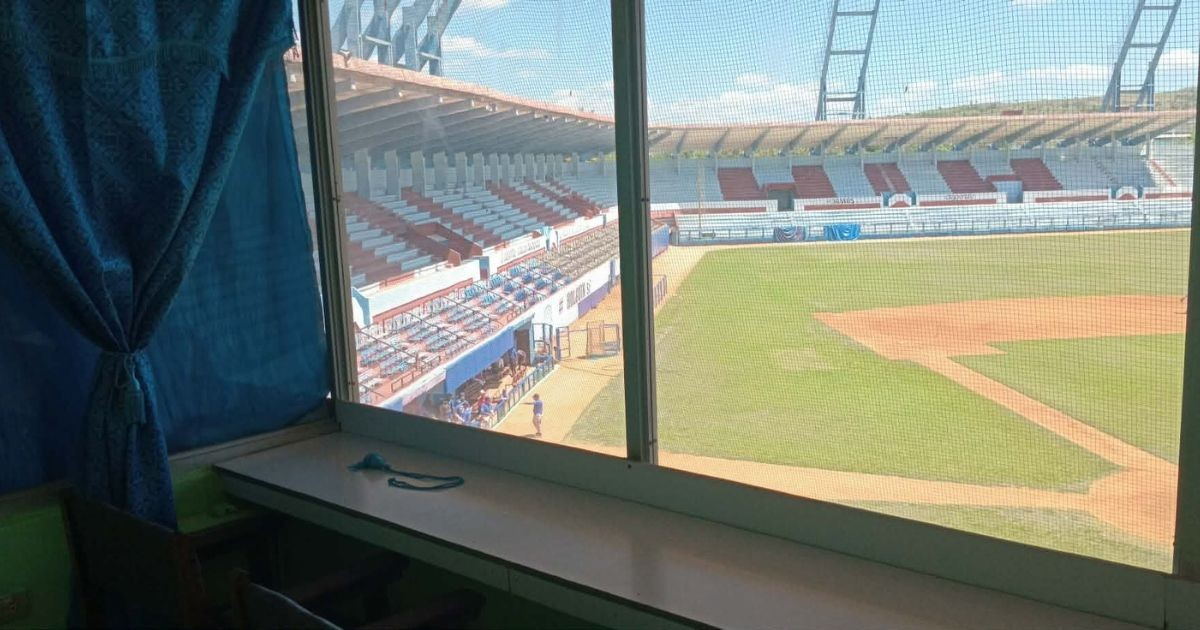
The Calixto García Íñiguez Stadium in Holguín announced the sale of VIP tickets for 1,500 Cuban pesos for the games of the National Baseball Series.
According to Sports CHAGO, cited by , the facility will feature two VIP lounges where fans can enjoy a panoramic view of the field, in addition to personalized dining services.
The offer also includes access to the baseball team 30 minutes before and after the game, entry through the museum door one hour before the game, and a guided tour of the Holguin sports museum.
The initiative sparked debate on social media because the cost of the service is almost half of the monthly salary of the Cuban players themselves, who currently earn around 3,500 pesos per month.
Sports CHAGO pointed out the contradiction that the athletes themselves, the stars of the show, can hardly afford the service for their families.
"Athlete with his wife and one child would be 4,500 pesos for receiving the service," the comment stated, not including other expenses such as dining.
The publication also questioned the allocation of the revenue generated from these initiatives and the lack of transparency regarding the finances of Cuban baseball.
"How much of this revenue is allocated to the well-being of the athletes and the stadium infrastructure? How much money is actually used for the youth categories and to maintain the talent pool?" asked Sports CHAGO.
Reactions on social media were divided between those who believe that this type of service is normal in any professional league and those who criticized the prices amid the economic crisis and the current low quality of the Serie Nacional.
Among those who support her, Braulio Martínez summarized: "They ask for a professional league, but they criticize when revenue is generated."
Rodolfo Aballe stated that "it's optional, it exists all over the world."
But the critical voices were the majority and more forceful. Abel RuizGarcia pointed out that "the problem is that the hybrid doesn’t work. VIP is a capitalist thing, but the salary must be equal."
Alexander Fernández Martínez was more direct: "VIP to watch the National Series which seems like a jungle event."
Others questioned the destination of the collected funds. Leandro Trujillo warned that "Holguín is also a pioneer in disappearing collections from the stadium," while Víctor Raúl Gutiérrez García recalled that "in Holguín, there have already been private individuals supporting players, and they were targeted."
The question about financial transparency also resonated strongly. Sports CHAGO asked: "How much of this income is allocated to the well-being of the athletes and to the stadium's infrastructure? How much money is actually used for the youth categories and to support the academy?"
The context of Cuban baseball makes the initiative even more striking. The regime raised up to 71 million pesos in corporate sponsorships for the 64th National Series, with packages ranging from 24,300 to 140,000 dollars, yet this did not result in any visible improvements for the athletes.
In October 2024, the Industriales players had not been paid for over two months, and in August of the same year fans from Las Tunas had to raise over 400,000 pesos to compensate their champion players.
In February 2025, the government announced a salary increase for the Élite League of an additional 5,000 pesos per player, but the base salaries remain inadequate compared to inflation and the cost of living on the island.
Cokijr Jerez starkly summarized the dilemma facing Cubans regarding this new situation: "Either you watch baseball or you eat eggs for several days."
Filed under: