
Related videos:
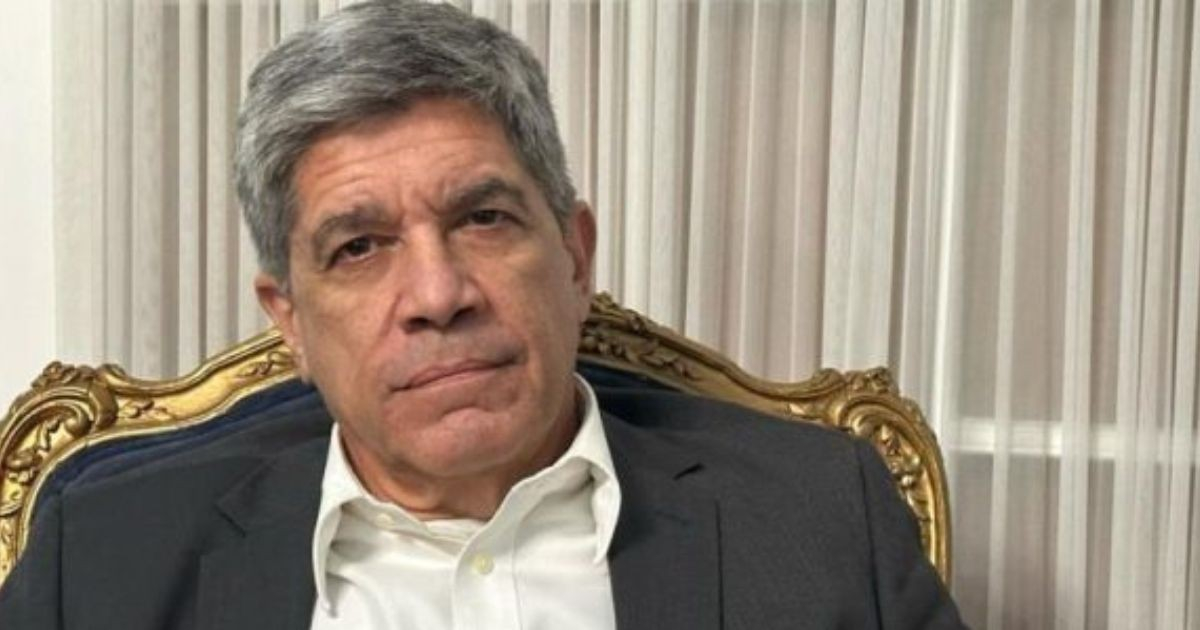
The Cuban Deputy Minister of Foreign Affairs, Carlos Fernández de Cossío, published a statement this Monday in which he accuses those who participate in what he describes as an effort to normalize the threat of military aggression from the United States against Cuba of being "complicit."
In the post on Facebook, Fernández de Cossío stated: “The evident effort to normalize the threat of military aggression against Cuba from the US is part of a coldly calculated communication design. It is part of the crime, and those who participate in it would be complicit in the eventual bloodshed.”
The statement does not explicitly identify specific individuals or groups, but it points to media outlets, figures of the Cuban opposition in exile, as well as citizens on the island and political actors who, according to the regime, would be legitimizing or amplifying the discourse on a potential U.S. military intervention in the island.
The phrase "accomplices of the eventual bloodbath" is the strongest used so far by a senior Cuban official to refer to those who spread or support that possibility.
The statements come at a time of heightened tension between Havana and Washington.
On May 2, President Donald Trump threatened to deploy the nuclear aircraft carrier USS Abraham Lincoln off the coast of Cuba to force the surrender of the Díaz-Canel government, conditioning the action on the end of military operations against Iran.
"Let's make it arrive there, stop about 100 yards from the coast, and they will say: 'Thank you very much, we surrender'," Trump stated during a private dinner in West Palm Beach.
The Chancellor Bruno Rodríguez Parrilla described those statements as "a new clear and direct threat of military aggression," while Fernández de Cossío had already referred to the threats of naval blockade as "an act of war" on March 25.
On May 10th, Fernández de Cossío also rejected the U.S. proposal of 100 million dollars in humanitarian aid, describing it as a "dirty political deal" linked to justifying "the possibility of military aggression."
The escalation began in January 2026, when Trump signed Executive Order 14380, declaring Cuba an "unusual and extraordinary threat" and imposing secondary sanctions on foreign companies and banks operating in strategic sectors of the island.
Since then, the U.S. has intercepted at least seven oil tankers bound for Cuba, the first such case since the Missile Crisis of 1962, worsening the already critical energy situation on the island.
On March 23, Fernández de Cossío confirmed that the Cuban army is preparing for the possibility of a U.S. military action, although he described it as a "remote possibility."
The regime also intensified its internal rhetoric: the Ministry of the Revolutionary Armed Forces issued messages of armed resistance on March 30, warning that any enemy could "blow up with a mine" or be annihilated in ambushes, in a campaign that included messages directed even at children.
The new accusation of "accomplices" further escalates the rhetorical tone of the regime in a context where, according to Trump, the U.S. could "take control of Cuba almost immediately" after military operations against Iran are concluded.
Filed under: