
Related videos:
The State Department assured on Monday that Donald Trump "would prefer a diplomatic solution" with Cuba, in an apparent attempt to reduce the tension generated by recent statements from the president, Marco Rubio, and the growing rumors of a possible U.S. military action against the island.
The statement was released by the American outlet Axios in an update to their report on the increased pressure from Washington on Havana and concerns about a possible military escalation between the two countries.
“Neither he nor his administration will allow the island to deteriorate into an even greater threat to the national security of the United States,” a spokesperson for the State Department stated, as reported by Axios. The official added that the Cuban regime “continues to show indifference to the suffering of the people and refuses to reform or to prevent the delivery of vital humanitarian aid.”
The clarification comes after several days marked by strong rhetoric against the Cuban government. Secretary of State Marco Rubio stated last week that the island's economic system "doesn't work and can't be fixed," and referred to the ruling elite as “incompetent communists”.
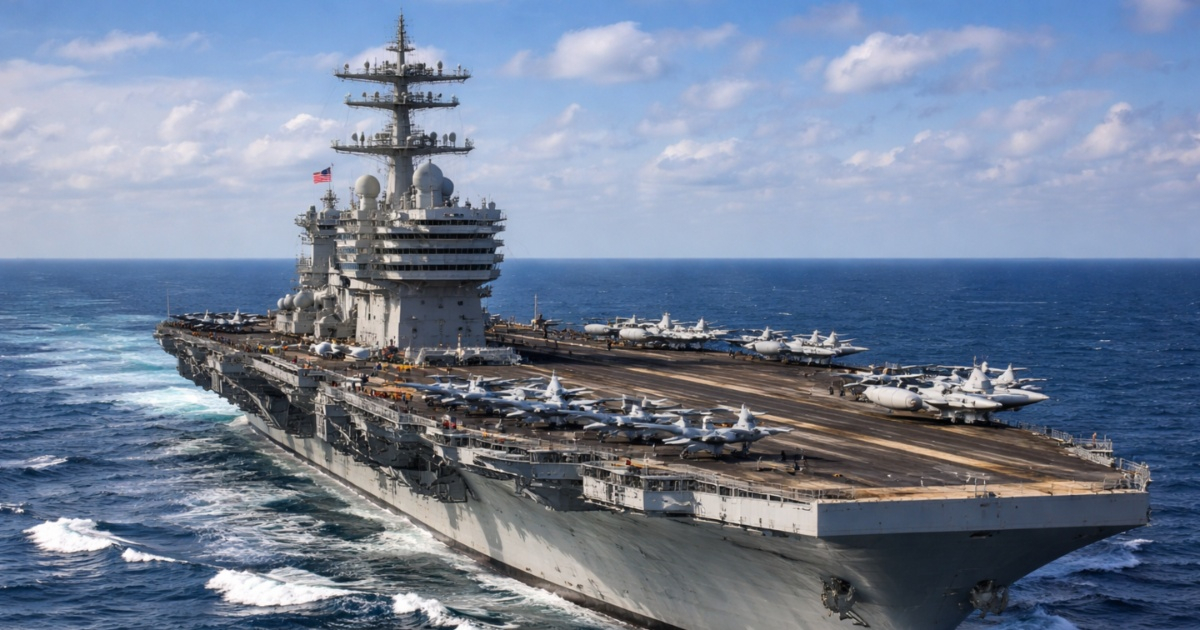
Trump also fueled speculation by suggesting on Friday that a U.S. aircraft carrier returning from Iran could be positioned off the Cuban coast. According to Axios, the President stated that it would be enough to approach “within about 100 meters of the shore” for Havana to surrender.
The climate of tension has also coincided with an increase in military and surveillance flights by the United States near Cuba. Data analyzed by CNN recently revealed a in front of Cuban territory.
This was joined by new sanctions announced by Washington against GAESA and other entities linked to the Cuban regime. Foreign Minister Bruno Rodríguez Parrilla described the measures as a "collective punishment of a genocidal nature."
Despite the growing pressure, Axios emphasized that there are no definitive signs of an imminent intervention. Brazilian President Luiz Inácio Lula da Silva assured last week that Trump privately mentioned to him during a meeting at the White House that he has no intention of invading Cuba.
However, some analysts believe that the situation has changed in recent weeks. Sebastián Arcos, interim director of the Institute of Cuban Studies at Florida International University, stated to Axios that following the reduction of military tensions with Iran, there has been a renewed focus from Washington on Cuba.
"Now that we see the war with Iran is in a kind of limbo... I can sense renewed attention being placed on Cuba, not only regarding the [surveillance] flights but also in the statements from the president, Marco Rubio, and the sanctions that have just been announced," Arcos noted.
The analyst deemed it unlikely that there would be an invasion with ground troops, although he did not rule out a "remote military action" similar to the one recently executed against Iran. He also warned about the atmosphere of anticipation surrounding the upcoming May 20th, Cuba's Independence Day.
Filed under: