
Related videos:
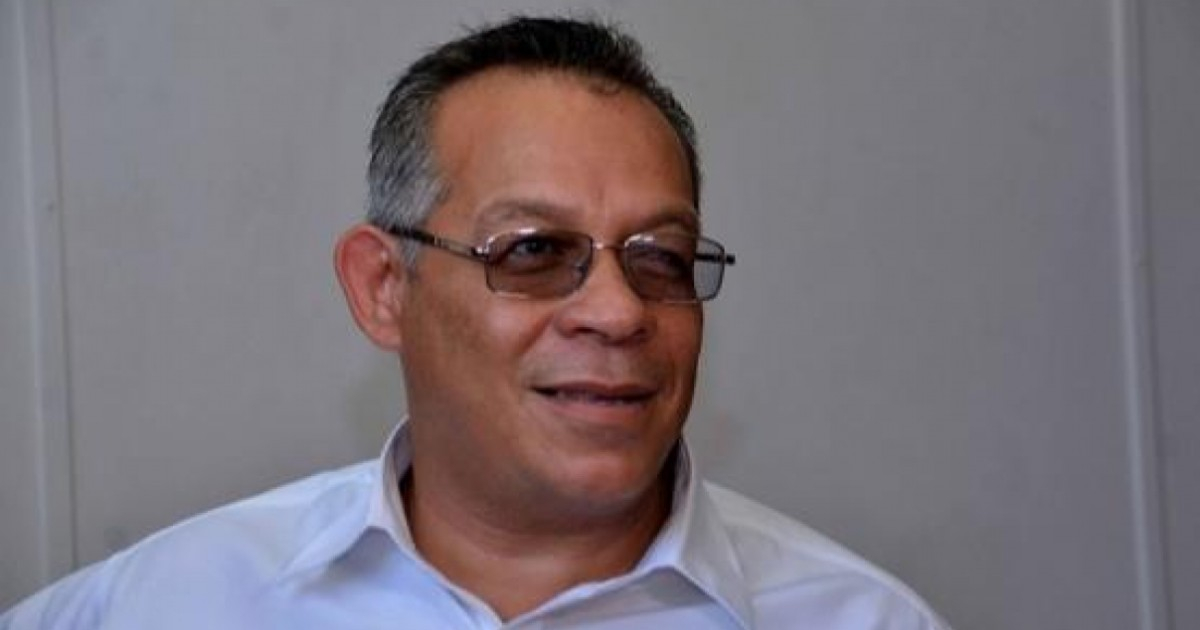
The Minister of Labor and Social Security of Cuba, Jesús Otamendiz Campos, appeared on the television program "Buenos días" to reaffirm that workers on temporary leave are guaranteed their salaries in light of the fuel crisis that is paralyzing the country.
The official outlined that the first month of unemployment is paid at 100% of the basic salary, and the second month at 60%, provided that the business entity covers it from its own budget or income.
In the budgeted sector, the application of 60% requires explicit approval from the Council of Ministers, at the request of the Ministry of Labor itself, a bureaucratic requirement that the minister justified as a mechanism to prioritize job relocation before declaring an interruption.
"Given the complex energy situation the country is facing, our priority remains the implementation of the labor and salary measures introduced in the latest phase, which ensure the protection of workers and the continuity of basic services to the population," stated Otamendiz Campos.
The leader emphasized that the government's priority is not interruption but rather relocation: "It will always be about labor relocation and ensuring that all workers continue contributing to the economic and social development of the country in any impactful task within their municipality of residence."
However, that discourse clashes with the reality faced by thousands of Cubans. The average state salary was 6,930 Cuban pesos in 2025, which is equivalent to about 13 dollars at the informal exchange rate, a figure that was already insufficient before the crisis.
Receiving 60% of that salary starting from the second month of interruption represents a decline in income in a context where a household of two people requires about 61,710 Cuban pesos per month just for basic expenses, of which 33,000 is for food, according to an analysis by Horizonte Cubano at Columbia University.
The job relocation that the regime presents as a "protective" measure is met with rejection among workers.
Employees with university degrees have been sent to collect garbage or to sanitation tasks, which prompted public complaints. "After five years of university, I have to throw away garbage," lamented a Cuban worker in April.
The legal framework supporting these measures, Decree No. 326 of the Labor Code Regulations, also states that if a worker unjustifiably rejects a relocation proposal, they are only entitled to 60% of the basic monthly salary, after which the termination of the employment relationship may proceed.
The decision on whether the rejection was justified or not lies with the head of the entity, in consultation with the official union, within a period of up to 15 days, which places the worker in a position of vulnerability against the state-employer.
The minister's statements come just days after Cuba admitted to being "out of fuel" to sustain the electrical system.
The Minister of Energy and Mines, Vicente de la O Levy, described the situation last Wednesday as "acute, critical, and extremely tense."
The electricity generation deficit reached 2,113 MW on May 13, with only 1,230 MW available against a demand of 3,250 MW, resulting in daily blackouts lasting between 20 and 22 hours in much of the country.
The Cuban electrical system has experienced at least seven total collapses in 18 months, including the national blackout on March 16, 2026, which left the country without electricity for 29 hours, a direct consequence of 67 years of failed economic management by the dictatorship.
Filed under: