
Related videos:
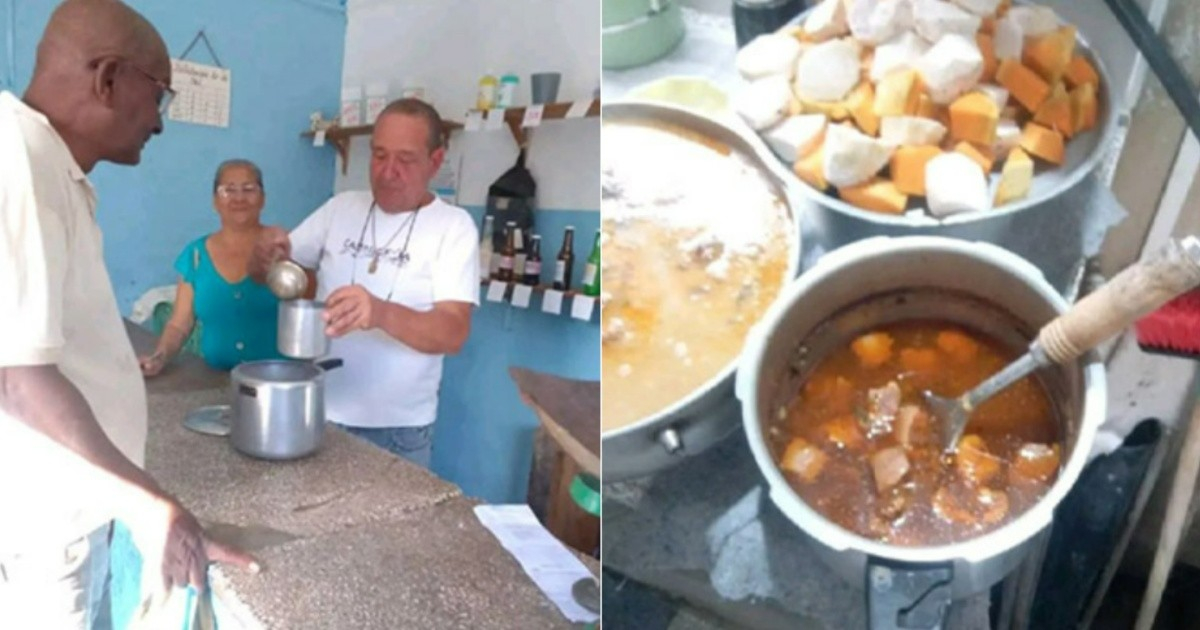
Due to the inability to cook at home because of power outages and the scarcity of domestic fuel, thousands of families in Santa Clara and the 13 municipalities of Villa Clara are turning to food sales outlets organized by state entities, as reported by Cuban News Agency last Saturday.
The measure, presented by the regime as a gesture of "solidarity," is actually an emergency response to a crisis that the government itself described as "acute, critical, and extremely tense": in Villa Clara, power outages reached up to 20 hours a day in May, and a domestic gas cylinder was priced as high as 50,000 Cuban pesos in the informal market.
The marketing includes soups, ajiacos, broths, salads, and main courses at prices that officials consider affordable. Participants include the Bread and Pastry Production Company, Commerce and Gastronomy, the Food Products Company of Villa Clara, EsAzúcar Company, and agricultural collectives.
Susely Morfa González, president of the Provincial Defense Council, justified the initiative with a phrase that summarizes the extent of the collapse: "Anything related to the economy will help families."
The neighbors themselves, however, make it clear that the measure solves nothing. María Elena Rodríguez, from the Camacho community, said bluntly: “It doesn’t solve the situation, but it’s a tremendous relief; besides, it’s well cooked and reasonably priced.” Pedro Luis Hernández, a resident of El Gigante, added that “many don’t have a way to cook at home.”
The background of this initiative is one of the worst energy and food crises in recent Cuban history. On May 13, the Electric Union recorded a record deficit of 2,113 MW, surpassing the previous record of 2,075 MW from March 6. The Minister of Energy and Mines, Vicente de la O Levy, admitted to blackouts lasting 20 to 22 hours daily in Havana and acknowledged that Cuba did not receive fuel ships between December 2025 and late March 2026.
The food crisis runs in parallel. The ration book has practically collapsed as a means of subsistence. In Villa Clara, since February, the regulated bread has been restricted only to those under 13 years old and over 65, reduced from 80 to 40 grams per unit, and its price increased from five cents to 75 cents.
This is not the first time the regime has resorted to this palliative. In August 2025, a similar measure was implemented in Camagüey in response to the blackouts, met with the same skepticism and outrage among the population.
Meanwhile, desperation is translating into protests. The Cuban Conflict Observatory reported 1,133 protests in April 2026, a 29.5% increase compared to April 2025, with slogans like “Electricity and food!” in front of government offices across the island.
Díaz-Canel announced in February the contingency plan "Option Zero," which includes severe rationing and forced local self-sufficiency, confirming that the regime has no structural solution for a crisis that has been brewing for decades under 67 years of communist dictatorship.
Filed under: