
Related videos:
The international affairs columnist for the Chicago Tribune, Daniel DePetris, published this Sunday on X a strategic analysis that provides a different perspective on the Cuban regime's acquisition of military drones, dismissing it as an offensive preparation and pointing to a purely defensive rationale.
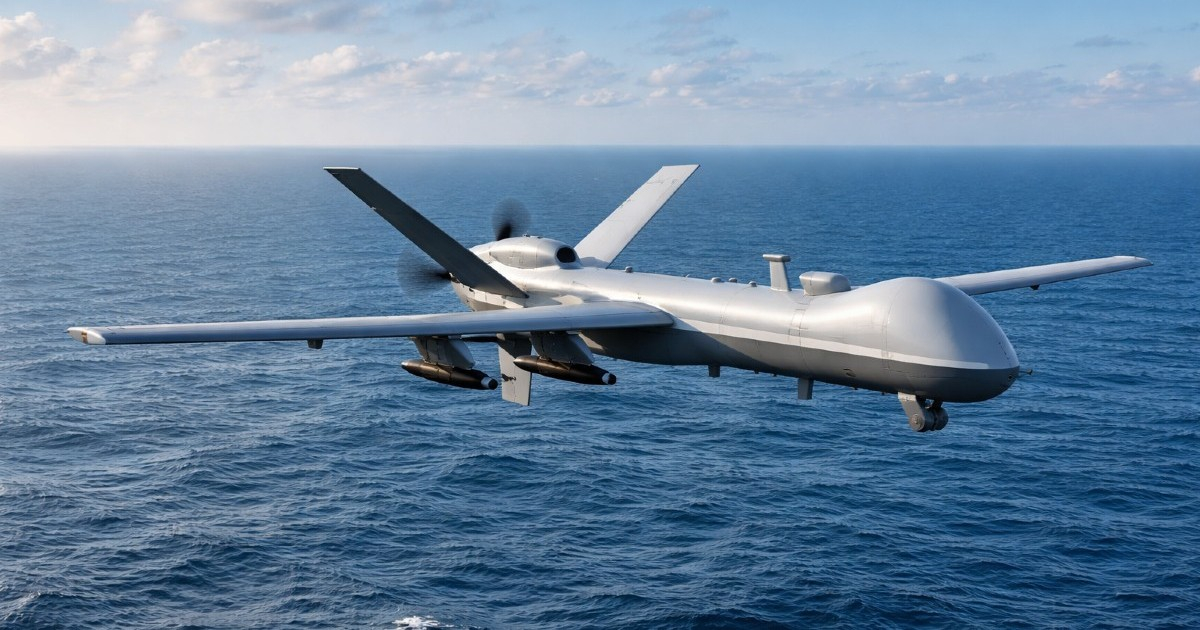
The analysis by DePetris, also an international affairs writer for Newsweek and a contributor to The Spectator, directly responds to the exclusive report from Axios regarding Cuban drones, which revealed that Cuba has reportedly acquired over 300 military drones from Russia and Iran since 2023, and that regime officials have discussed plans to use them against the Guantanamo Naval Base, U.S. Navy ships, and possibly Key West, Florida.
For DePetris, the explanation is simple: Cuba's conventional military capability is outdated. "The Cuban Air Force should be in a museum," he wrote, noting that acquiring drones "makes perfect sense from a strictly military perspective, especially when you have an adversary 90 miles away that speaks cryptically about invading the island."
However, the analyst urged calm in response to more alarmist interpretations. "The fact that Cuba is increasing its number of drones does not mean it is planning to use them to preemptively attack U.S. assets in Guantanamo or Florida," he wrote in his post on X.
DePetris deemed that scenario "highly unlikely, if not entirely irrational," arguing that a Cuban attack would provide Trump "the perfect justification to order the military operation that Cuban officials are desperately trying to avoid."
His conclusion was straightforward: "Cuba needs a certain defensive capability to withstand a potential U.S. military contingency or at least to make any invasion more costly for the Americans. Havana is turning to drones instead of manned aircraft, which are much more expensive to acquire and maintain. Cuba is preparing defenses, not offensive action."
The analysis comes at a time of sustained escalation between Washington and Havana. Defense Secretary Pete Hegseth confirmed on May 13 before Congress that Cuba poses a threat to national security, and CIA Director John Ratcliffe traveled to Havana on May 14 —the first visit by a agency director in over a decade— to directly warn the regime against acts of hostility.
U.S. officials also estimate that up to 5,000 Cuban soldiers have fought for Russia in Ukraine, with Moscow paying the regime about $25,000 for each deployed soldier, and that some have gained experience in drone warfare, which they later shared with military commanders in Havana.
The debate on social media between U.S. analysts and influencers reflects opposing views. Republican Congressman Mario Díaz-Balart warned that drones are "90 miles from our shores and near critical infrastructure," while Democratic Senator Rubén Gallego dismissed the Axios report, labeling it as "propaganda to build a case for an invasion of Cuba."
A senior U.S. official quoted by Axios accurately summarized the paradox: "No one is concerned about Cuba's fighter jets. It's not even clear that they have one that can fly. But it is worth noting how close they are: 90 miles."
Filed under: