
Related videos:
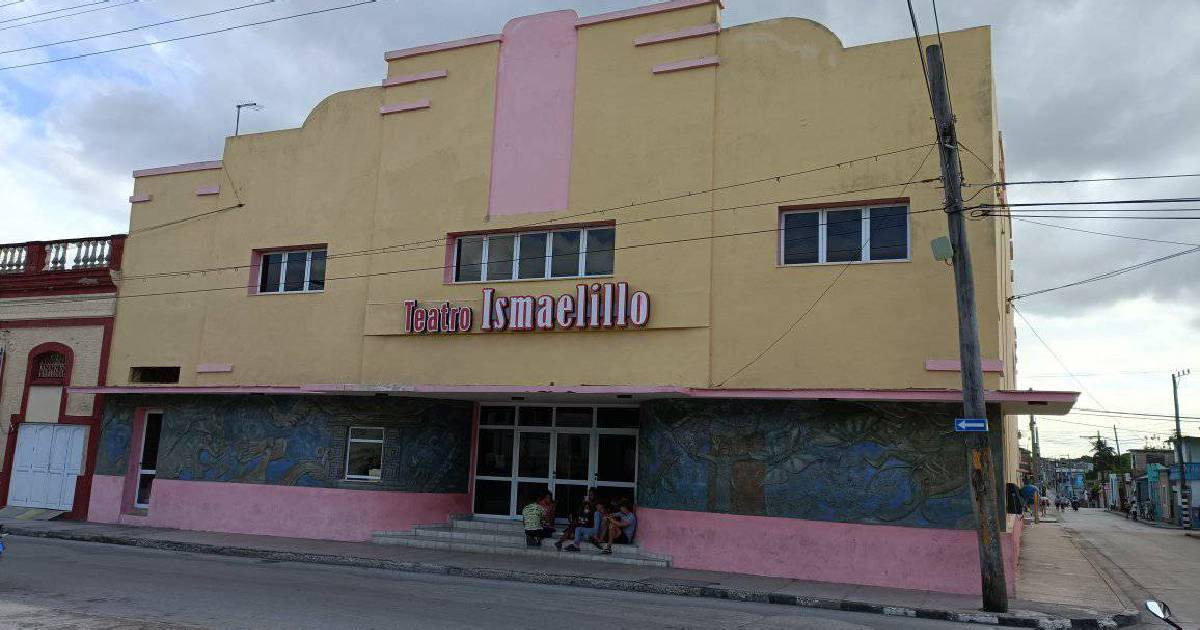
The roof of the Ismaelillo Theater in Holguín partially collapsed on the afternoon of May 20, with no casualties reported, marking another episode in the rapid deterioration of the cultural heritage of this eastern Cuban city.
The Fire Department arrived at the scene and assessed the damage using images captured by a drone that several residents of Holguín spotted during the day, reported via their Facebook page by the official newspaper ¡Ahora!
The main authorities of the Communist Party and the provincial government also attended the site, along with executives from the Provincial Cultural Sector and the Provincial Council of Performing Arts, as well as specialists from the Engineering and Design Services Company Vértice, who certified that the building's walls are not at risk of collapsing.
Roger Rodríguez Ramírez, director of the Cultural Complex Teatro Eddy Suñol, which includes Ismaelillo, reported that only the central part of the hall was affected and that the rest of the covering will be disassembled to prepare the building for its future reconstruction.
Rodríguez noted that work is already underway on debris removal and that, in parallel, progress is being made on the restoration of the roof of the Eddy Suñol Theater, which will celebrate its 87th anniversary on June 2.
"It is an immeasurable task, especially in these times, because it involves 1,050 square meters of roof that were damaged following the passage of Hurricane Melissa," the director stated.
The Ismaelillo Theater, located at the corner of Maceo and Coliseo streets, near the train station, is a building in the Art Deco style that was previously called Victoria Theater, as recalled by residents of Holguín.
The reaction on social media was immediate and outraged. Several users pointed directly to negligence and potential corruption in previous projects.
"Those two theaters underwent major renovations not too many years ago, perhaps eight years at most, and now their roofs have collapsed. This only leads to one conclusion: either the work was done poorly or the materials were stolen. Who is responsible for this? These were million-dollar expenses," wrote Miguel Uribasterra.
Other comments were equally contundent. "This is evidence that the funds allocated for the reconstruction of the theater were stolen," remarked Sucel Rondón.
"Almost the entire ceiling collapsed; only a piece of the front part remained," described Lisandra Velazquez Santiesteban.
Holguín, known as the Cuban City of Parks and regarded as one of the cleanest cities on the island, is facing a series of neglects that its own inhabitants describe with bitterness. "This is how everything is gradually being destroyed," summarized Maidoli Rodríguez on Facebook.
The collapse is part of a series of breakdowns of Holguin's heritage. On May 16, the sculpture Woman with Umbrella from the pedestrian boulevard collapsed after weeks without preventive action from the authorities.
Shortly before, the Los Caballitos children's park was demolished without a replacement plan and the lot ended up turning into a dump.
This Friday, it was also reported that the old Holguín-Gibara railway station, inaugurated in 1893, has turned into a dump for debris and rodents.
Filed under: