
Related videos:
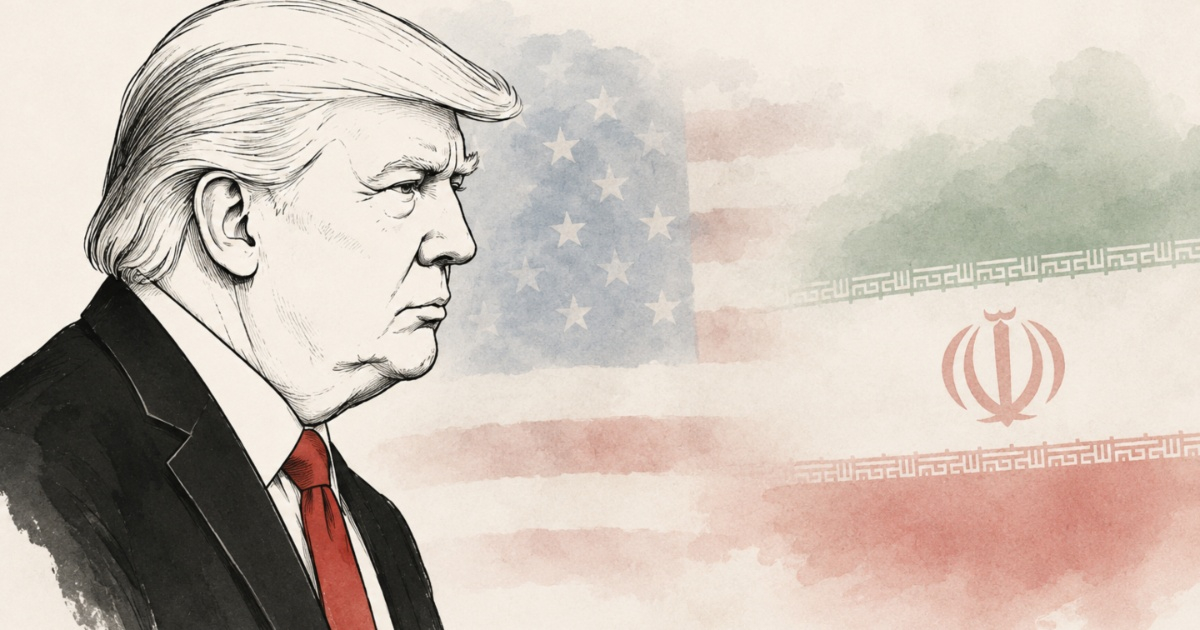
Donald Trump stated this Friday, during a speech to supporters in Suffern, New York, that Iran "will never have a nuclear weapon" and that the conflict "will be resolved soon," without clarifying whether he will choose to pursue a diplomatic agreement or resume military action against Tehran.
"We have stopped them. They will never have a nuclear weapon, and we will end this soon. It will be resolved quickly," stated the president, according to reported EFE agency.
Trump attributed this outcome to the operation “Epic Fury”, launched on February 28 against Iranian military and nuclear facilities, and labeled Iran as “the primary sponsor of terrorism.”
"They will never have a nuclear weapon, and they know it," he added.
The White House has not provided details on the course it will take, and the change in plans comes as Washington and Tehran negotiate, through Pakistani mediators, an agreement to end the war and reopen the Strait of Hormuz, through which approximately 20% of the world's oil passes.
The week has been marked by intense diplomatic pressure. Last Thursday, Trump temporarily suspended the "Project Freedom" operation in the Strait of Hormuz after reporting "great progress" in the discussions, according to CBS News.
The Secretary of Defense Pete Hegseth confirmed that the ceasefire "is holding for now," but warned that U.S. forces are ready to resume operations if an agreement is not reached.
The Secretary of State Marco Rubio acknowledged that the indirect talks showed "some progress," although the key issues regarding uranium enrichment remained unresolved.
The core of the disagreement is the duration of the nuclear moratorium: Washington demands 20 years for uranium enrichment, while Iran has proposed breaks ranging from five to 15 years, and also demands 270 billion dollars in war compensation.
The negotiating dynamic has been one of maximum pressure from Trump. Last Monday, he described the Iranian response as "completely unacceptable" and declared that he was seeking a "total victory". On May 17, he threatened that "nothing" would remain of Iran if they did not reach an agreement, and on May 19, he issued Tehran an ultimatum of "two or three days" to accept a nuclear deal.
In parallel with the conflict with Iran, Trump has been threatening for weeks with a possible military intervention in Cuba, a country on which he has increased pressure with an oil blockade and the indictment, just this week, against former president Raúl Castro.
Iran, for its part, has indicated that an agreement with the United States "is not close," despite the increase in diplomatic activity in recent weeks.
Filed under: